
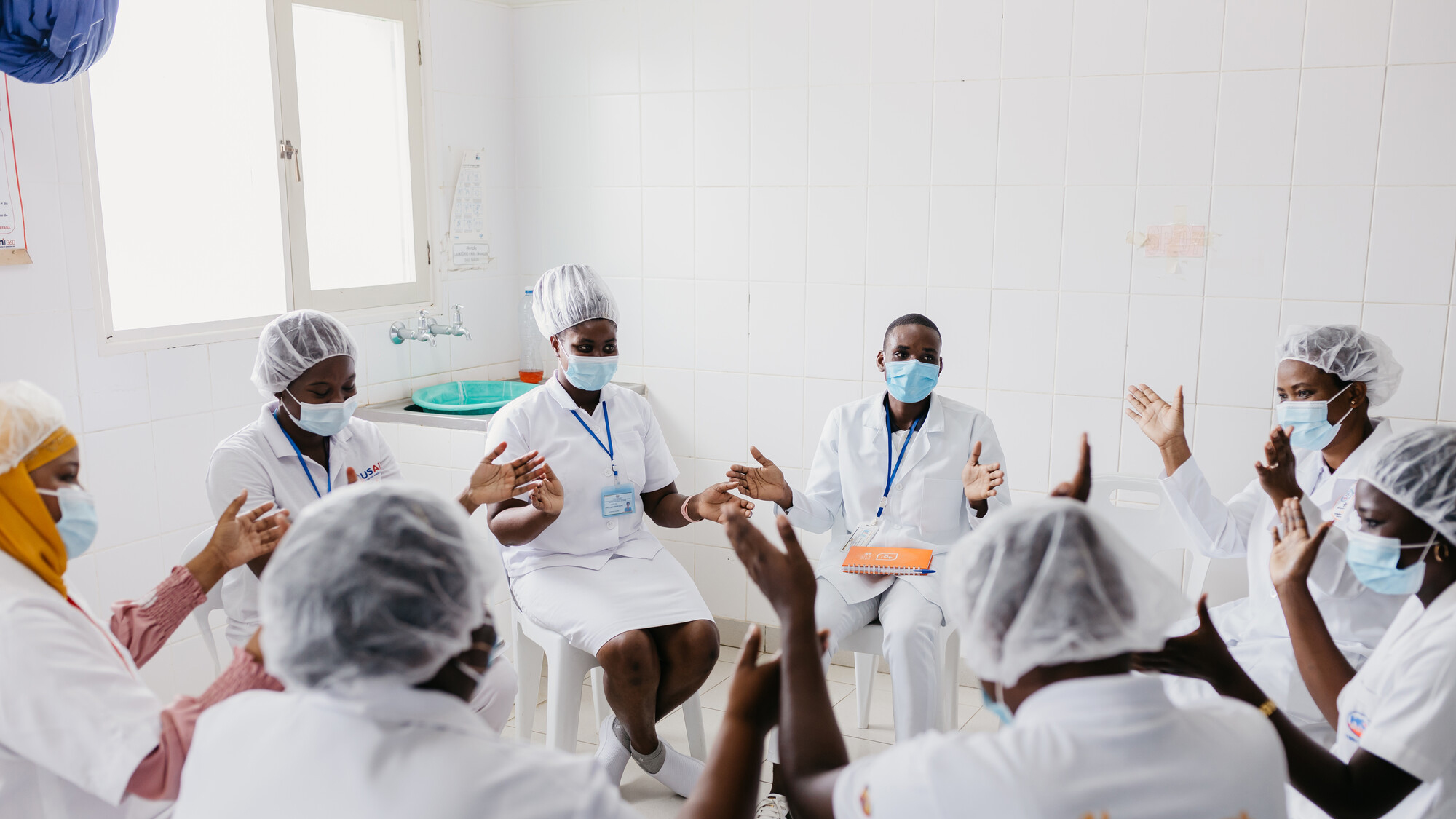
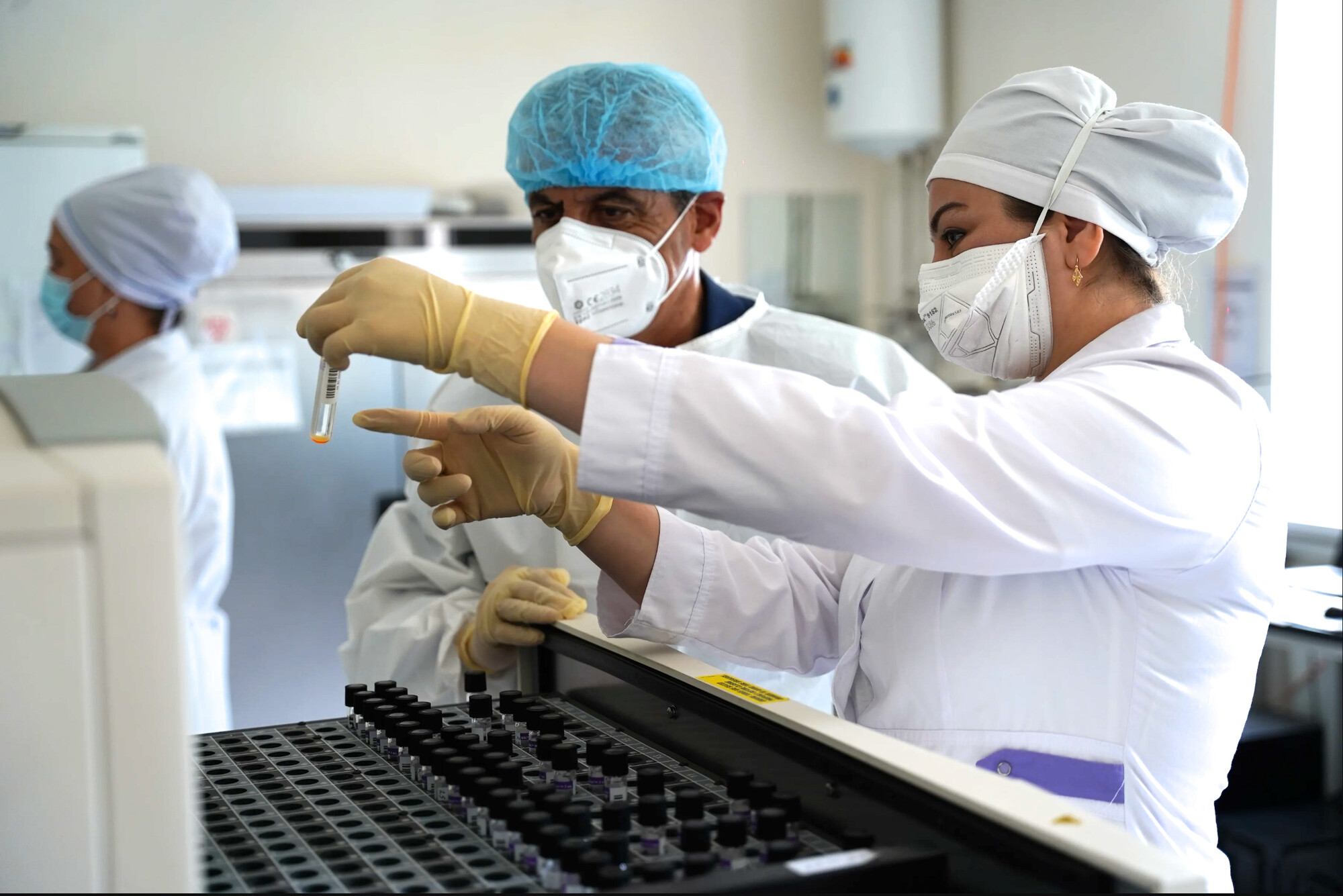
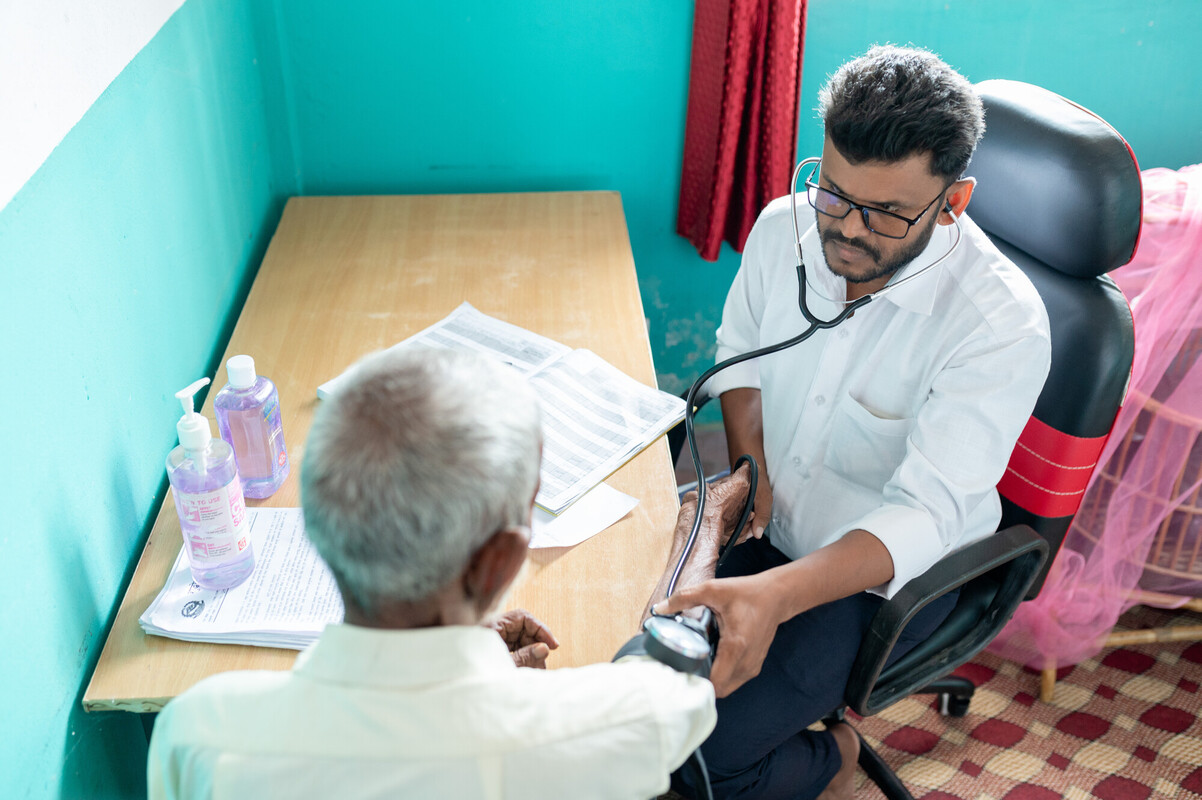

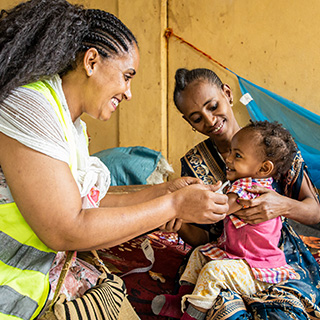

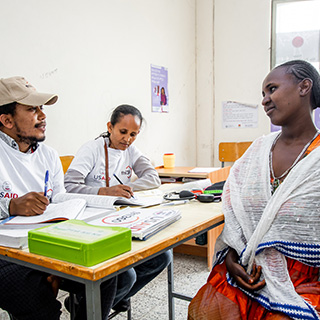






WASHINGTON — The Maximizing Options to Advance Informed Choice for HIV Prevention (MOSAIC) consortium, which is funded by PEPFAR through USAID and led by FHI 360, is introducing long-acting injectable cabotegravir for pre-exposure prophylaxis (CAB for PrEP) alongside oral PrEP and the PrEP ring in five African countries. South Africa and Zimbabwe are the first to welcome CAB for PrEP following regulatory approval and the arrival of donated product on site.
The rollout is part of Catalyzing Access to New Prevention Products to Stop HIV (CATALYST), a three-year, multi-country implementation study that aims to assess the delivery of multiple PrEP methods to an estimated 11,000 participants without HIV. The study is taking place across 28 public-health service delivery sites supported by PEPFAR in Kenya, Lesotho, South Africa, Uganda and Zimbabwe. As of March 31, nearly 4,000 participants have been enrolled.
“USAID’s commitment to cutting-edge research and development is advancing innovative solutions to some of the world’s greatest health challenges,” says Dr. Atul Gawande, assistant administrator for global health at USAID. “We see that with CATALYST. This study is supporting women and girls by expanding their options of methods for HIV prevention and by producing findings that will guide the scale-up of these prevention methods across the African continent.”
“CATALYST is the largest study of its kind and represents a locally led, youth-focused implementation project in which participants have the opportunity to be among the first to learn about and try new PrEP methods,” says Dr. Kristine Torjesen, director of science facilitation at FHI 360. “They will also make their voices heard in how PrEP is rolled out in their communities, which is critical given that adolescent girls and young women continue to bear the brunt of the HIV epidemic in many places.”
The study is being conducted in two stages. Between May and October 2023, stage 1 launched across all sites in all five countries and includes tenofovir-based oral pills and the dapivirine ring (PrEP ring). Stage 2 begins once CAB for PrEP has been approved by the national regulatory authority in each country and donated product is available on site.
“The CATALYST journey is not ours alone,” says Nicolette Naidoo, principal investigator for CATALYST in South Africa. “We are walking this exciting new journey alongside our ministries of health, civil society and communities to ensure that we are responding to the prevention needs of our populations and directly contributing to national guidelines and implementation strategies for increasing access to prevention choice.”
In each country, a local partner coordinates with the nation’s ministry of health to counsel and support participants in choosing the best PrEP method for their lifestyle and to provide health care services such as testing and standard care procedures.
“We believe in the potential that CAB-LA can have on changing the trajectory of the HIV epidemic,” says Dr. Harmony P. Garges, chief medical officer at ViiV Healthcare, which is supplying the drug for the study. “Implementation science plays a critical role in helping generate evidence and learning to support greater access to innovative options, and we are committed to supporting FHI 360 and partners as they implement the CATALYST study.”
Participants will be followed for one to three years to collect information about how they choose, use, switch between and like the offered PrEP methods. The results of the study will provide evidence that can be used to inform future expansion and sustainability of HIV prevention options and help transform the HIV prevention landscape.
About FHI 360
FHI 360 is a global organization that mobilizes research, resources and relationships so people everywhere have access to the opportunities they need to lead full and healthy lives. With collaborations in more than 60 countries, we work directly with local leaders to improve health and well-being, respond to humanitarian crises, and strengthen community resilience. We share data-driven insights and scalable tools that help communities effectively address complex challenges, respond to shocks and achieve thriving futures.
About MOSAIC
Maximizing Options to Advance Informed Choice for HIV Prevention (MOSAIC) is a five-year (2021–26) global project funded by PEPFAR through USAID to help adolescent girls and young women and other women prevent HIV by accelerating the introduction and scale-up of new and emerging biomedical prevention products. The MOSAIC consortium is led by FHI 360 along with core partners Wits RHI, Pangaea Zimbabwe, LVCT Health, Jhpiego and AVAC.