


Skip to content
FHI 360
  • Languages
  • Low bandwidth
  • High bandwidth
  • Search
  • Who we are
        • Who we are
          • About us
          • Leadership
          • Ethics and safeguarding
          • Impact and financial reports
          • Contact us
        • About us

          Impact and financial reports

  • What we do
        • What we do
          • Economic opportunity
          • Health


        • How we do it
          • Research in action
          • Humanitarian response
          • Digital innovation and AI
        • Explore our expertise
        • Economic opportunity

          Health

  • Where we work
        • Where we work
          • Asia Pacific
          • Central Africa
          • East Africa
          • West Africa
          • Southern Africa
          • Middle East and North Africa
          • Europe and Central Asia
          • Latin America and the Caribbean
          • United States
        • Around the world

          In the United States

  • Work with us
        • Work with us
          • Join our team
          • Local partners
          • Government and multilateral funders
          • Foundations and corporations
          • Academic and research partners
          • Small businesses and vendors
          • CEO position specification
        • Join our team

          Local partners

          Government and multilateral funders

          Foundations and corporations

          Academic and research partners

          Small businesses and vendors

  • News
        • News
          • Newsroom
        • Get the latest news
        • Newsroom

  • Stories
        • Stories & blog
          • Stories
          • Videos (YouTube)
          • Blog
        • Explore our storytelling
        • Our storytelling

          Blog

  • Resources
        • Resources
          • Resource library
        • Resource library

Home | Blog | The clock is ticking: Tuberculosis and diabetes in the COVID-19 era
March 23, 2021

The clock is ticking: Tuberculosis and diabetes in the COVID-19 era

–Robert Makombe, Acting Director, TB Programs, FHI 360
–Rebecca Dirks, Technical Advisor, Noncommunicable Diseases, FHI 360

The COVID-19 pandemic has created a seismic upheaval in global health care and individual health testing and treatment. Previous gains in reducing life-threatening chronic diseases are being eroded by the need to turn attention and resources to the pandemic. It feels like a “Snakes and Ladders” board game: The counter has landed on the head of a snake and programs for other diseases have slid to the bottom of the board, landing many years behind.

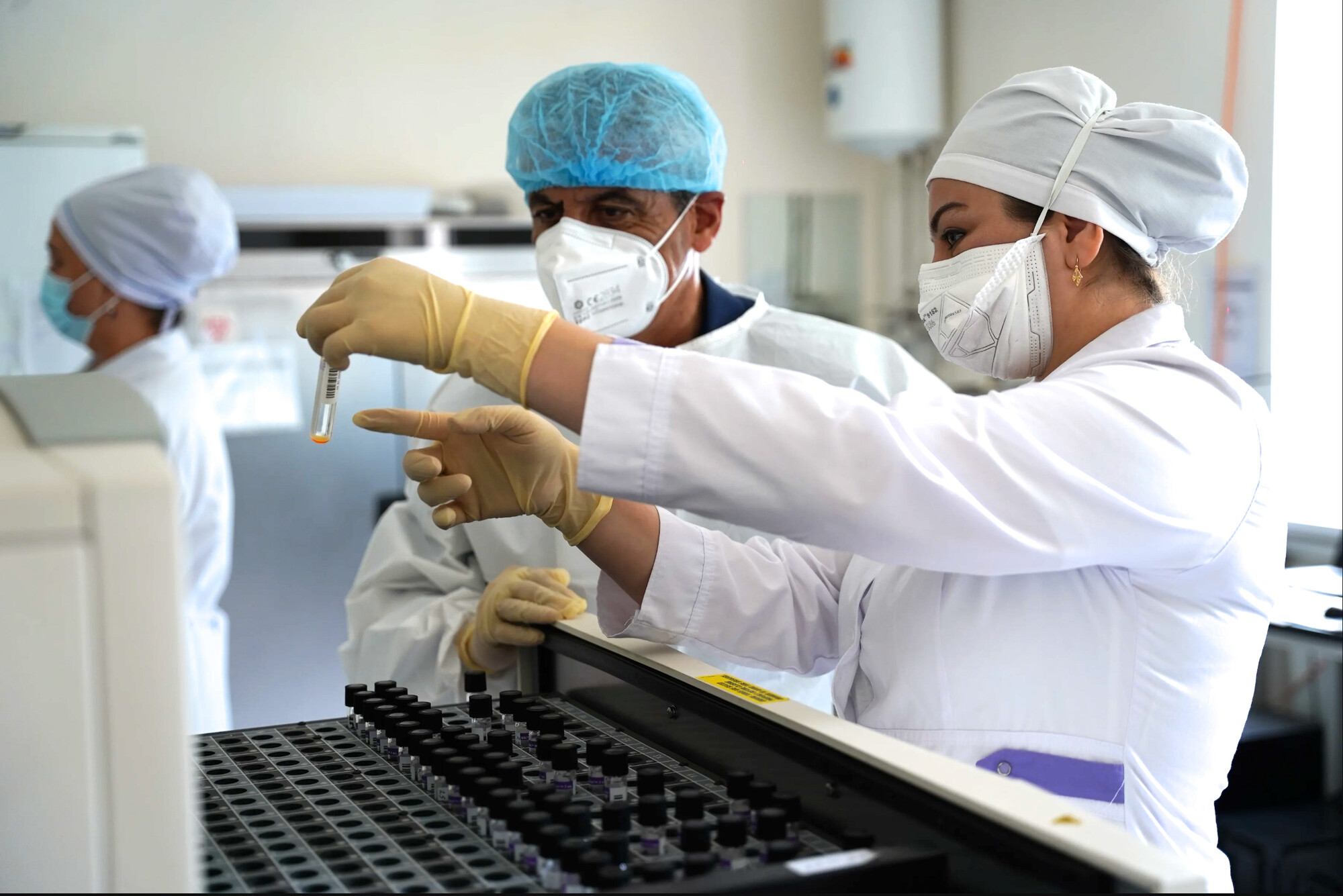
Tuberculosis (TB) remains one of the leading causes of death globally, causing an estimated 1.4 million deaths in 2019. Before the COVID-19 pandemic, the global TB incidence rate fell by 9 percent but was still not meeting the United Nations’ targeted reduction of 20 percent between 2015 and 2020. The annual number of TB deaths during that time also fell but only by 14 percent rather than the targeted 35 percent. And now, modeling from the Stop TB Partnership shows the pandemic is expected to reverse progress by at least five to eight years.

Diabetes has been raging globally. Between 1980 and 2014, the number of people living with diabetes quadrupled to 422 million and is predicted to reach 642 million by 2040, with 80 percent living in low- and middle-income countries where TB is endemic and diabetes prevalence is rising. The prevalence of TB among people with diabetes is two to three times higher than in the general population, and there are now more individuals with both TB and diabetes than with TB and HIV.

A World Health Organization survey showed that 49 percent of 163 countries had partially or completely disrupted treatment for diabetes and diabetes-related complications. COVID-19 patients with diabetes face greater severity of complications and higher mortality. People with TB and COVID-19 may have poorer treatment outcomes, especially if TB treatment is interrupted. Challenges in accessing diagnostic and treatment services for these conditions increase the danger.

Complications for people with TB and diabetes can include a poorer response to TB treatment, an increased risk of adverse TB treatment outcomes and drug toxicity, and more difficult diabetes management. The TB-diabetes link is so well recognized that in 2010, the World Health Organization identified diabetes as a reemerging risk factor for TB.

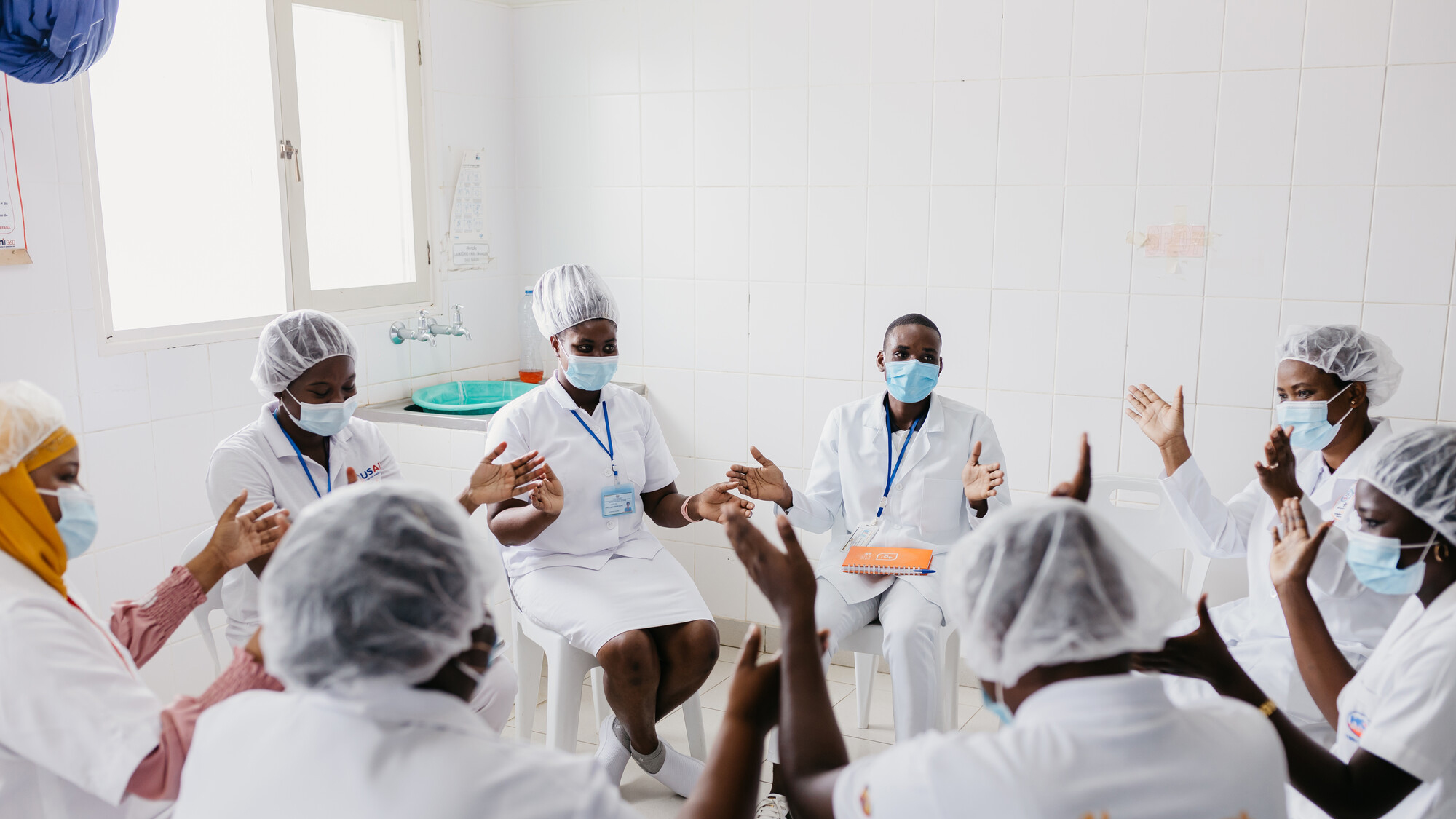
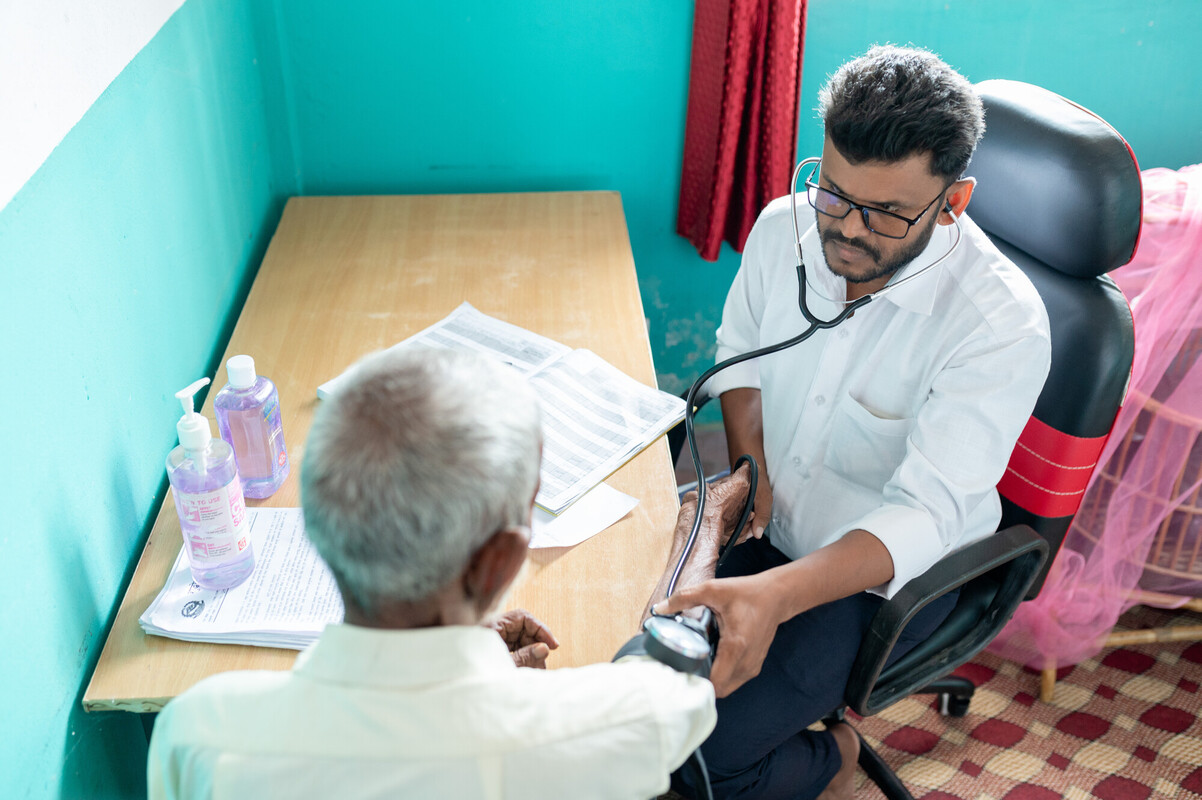
And, the clock has not stopped. What is to be done? Innovations in telehealth, smartphone diagnostics and wearable health monitors have an important role in TB and diabetes care during this pandemic. And while not flashy, innovations in models of service provision at the primary care level offer promise for expanding access to TB and diabetes services.

FHI 360’s Abundant Health project in Vietnam, funded by the Pfizer Foundation from 2016 to 2020, demonstrates a promising model. The project made tremendous gains in strengthening the capacity of the Ho Chi Minh City Department of Health to provide accessible and quality diabetes services at the primary and community levels. The model incorporated a team-based approach to care and established links among community-based outreach platforms, commune health stations and district hospitals. Open-air screening and monitoring were offered, and services for self-management and ongoing management of hypertension and diabetes were available closer to patients. In its second year, Abundant Health expanded diabetes and hypertension services from 5 to all 11 commune health stations in the district. By 2020, the project was scaled up citywide, reaching nearly 300 stations.

Innovations are more likely to be scaled up and long lasting when built upon a solid foundation. This means going back to the basics of providing quality TB and diabetes services, stepping up implementation of the collaborative framework for TB and diabetes and scaling up research on the looming convergence of TB and diabetes in the context of the COVID-19 pandemic. But, for millions of people, the clock keeps ticking.

Share blog
Back to top
FHI 360

We are a nonprofit organization that mobilizes research, resources and relationships so that people everywhere can access the opportunities they need to lead full, healthy lives.

  • Partner with us
  • Business opportunities
  • Contract mechanisms
  • Small business
  • Our FHI 360 network
  • Events
  • Employee access
  • Contact us
  • Press
  • Privacy notice
  • Ethics and safeguarding

FHI 360 Headquarters
359 Blackwell Street, Suite 200
Durham, NC 27701 USA
1.919.544.7040

Washington, D.C., Office
2101 L St NW, Suite 700
Washington, DC 20037 USA
1.202.884.8000

Anti-trafficking statement

Connect

Sign up for our mailing list and receive the latest updates from FHI 360 straight to your inbox!

  • LinkedIn
  • Facebook
  • X
  • Youtube
  • Instagram

FHI 360 is the registered trade name of Family Health International.

©2026 FHI 360

We are using cookies to give you the best experience on our website.

You can find out more about which cookies we are using or switch them off in .

FHI 360
Powered by  GDPR Cookie Compliance
Privacy overview

This website uses cookies so that we can provide you with the best user experience possible. Cookie information is stored in your browser and performs functions such as recognising you when you return to our website and helping our team to understand which sections of the website you find most interesting and useful.

Essential cookies

Essential cookies should be enabled at all times so that we can save your preferences for cookie settings. However, they can be enabled or disabled using the button below.

Non-essential cookies

This website uses Google Analytics to collect anonymous information such as the number of visitors to the site, and the most popular pages.

Keeping this cookie enabled helps us to improve our website.