



Skip to content
FHI 360
  • Languages
  • Low bandwidth
  • High bandwidth
  • Search
  • Who we are
        • Who we are
          • About us
          • Leadership
          • Ethics and safeguarding
          • Impact and financial reports
          • Contact us
        • About us

          Impact and financial reports

  • What we do
        • What we do
          • Economic opportunity
          • Health


        • How we do it
          • Research in action
          • Humanitarian response
          • Digital innovation and AI
        • Explore our expertise
        • Economic opportunity

          Health

  • Where we work
        • Where we work
          • Asia Pacific
          • Central Africa
          • East Africa
          • West Africa
          • Southern Africa
          • Middle East and North Africa
          • Europe and Central Asia
          • Latin America and the Caribbean
          • United States
        • Around the world

          In the United States

  • Work with us
        • Work with us
          • Join our team
          • Local partners
          • Government and multilateral funders
          • Foundations and corporations
          • Academic and research partners
          • Small businesses and vendors
          • CEO position specification
        • Join our team

          Local partners

          Government and multilateral funders

          Foundations and corporations

          Academic and research partners

          Small businesses and vendors

  • News
        • News
          • Newsroom
        • Get the latest news
        • Newsroom

  • Stories
        • Stories & blog
          • Stories
          • Videos (YouTube)
          • Blog
        • Explore our storytelling
        • Our storytelling

          Blog

  • Resources
        • Resources
          • Resource library
        • Resource library

Home | Blog | Meeting the moment
September 29, 2021

Meeting the moment

–Tessie San Martin, Chief Executive Officer, FHI 360

As I take the helm at FHI 360, I find myself reflecting on John Norris’ authoritative history of the USAID, The Enduring Struggle. It points to the many accomplishments made possible through the funding and genius of USAID and its countless partners around the world. FHI 360 has contributed greatly to many of these successes, most notably in health, where we have helped combat deadly diseases such as tuberculosis and HIV and made modern contraceptives widely accessible.

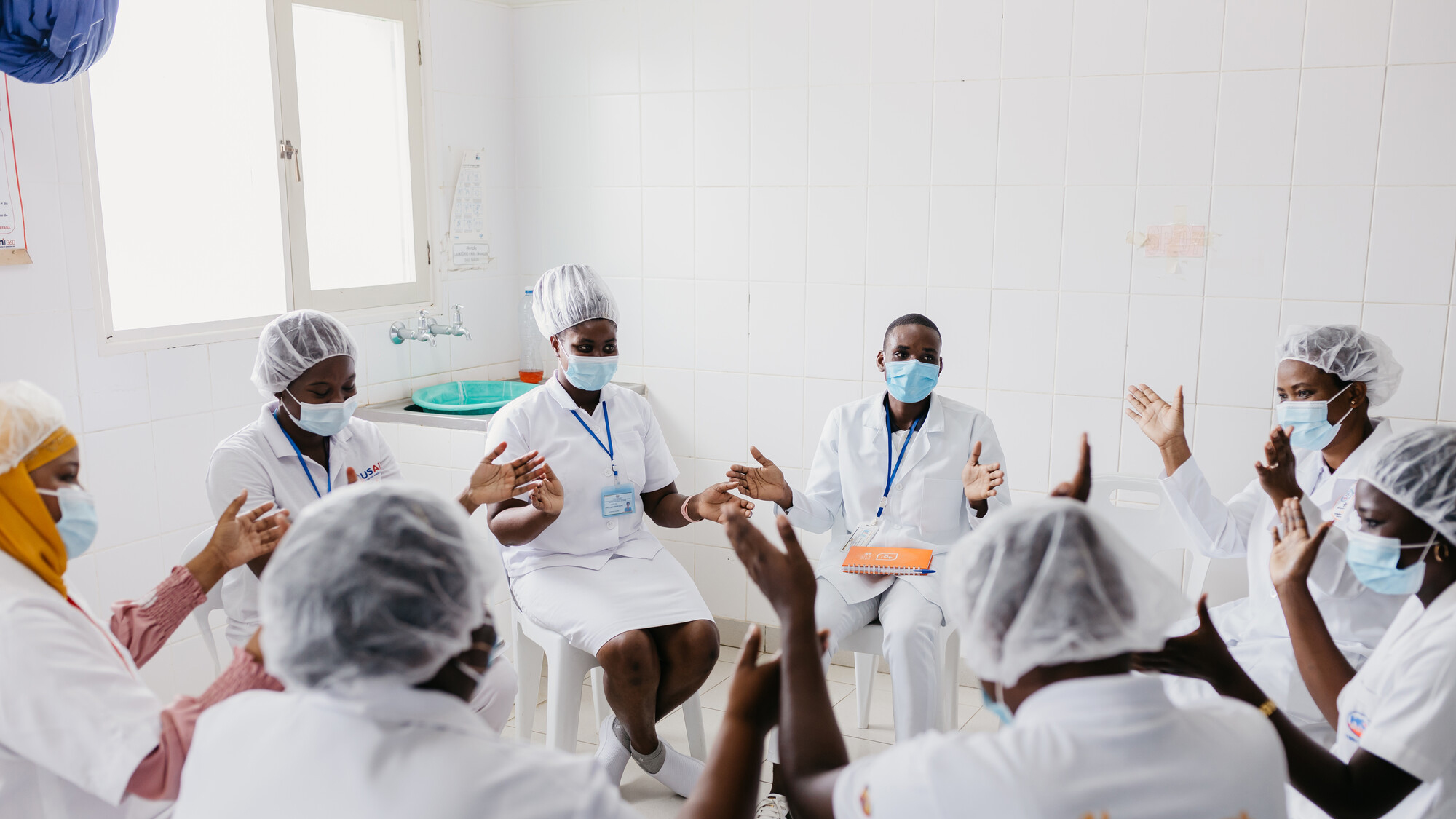
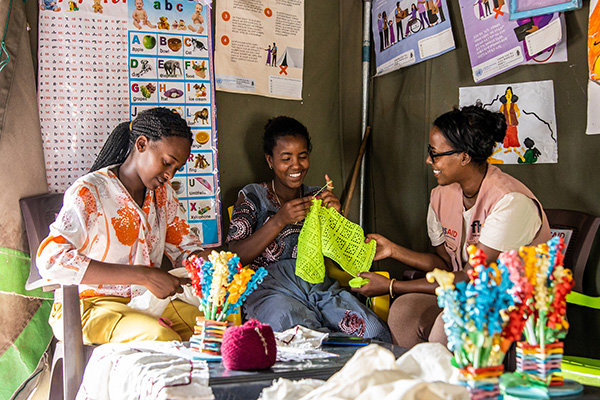
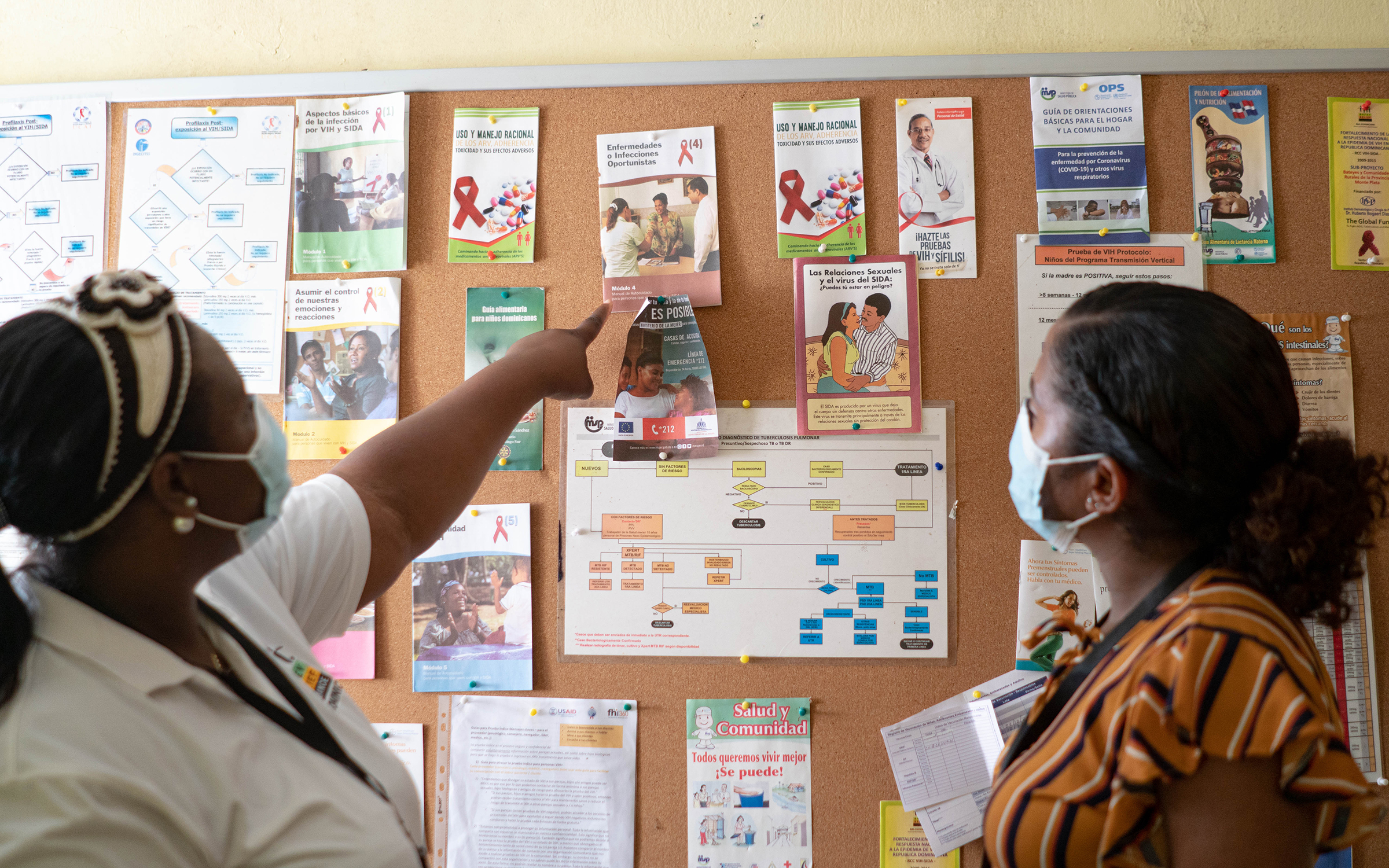
Key to these and other achievements is elevating local leadership — what we often call locally led development or, more recently, “localization.” Some make it sound like locally led development is a new idea. It is not. For example, in our HIV projects in Africa in the 1980s, we relied on collaborative efforts led by ministries of health, community groups and local clinicians to identify the most urgent needs and roll out safe testing, training for health workers, education, prevention services and appropriate psychosocial support.

USAID Administrator Samantha Power recently said, “To engage authentically with local partners and to move toward a more locally led development approach is staff-, time-, and resource-intensive — but it is also vital to our long-term success.” Indeed, we increasingly see the United States, European nations and other funders, including corporate donors and foundations, reevaluate their approaches to development challenges. After all, the link between locally led development and enduring outcomes is well established – FHI 360 has contributed significantly to that body of evidence – and it is time for development organizations, including FHI 360, to reexamine our operating models and determine where we can do more and different and better.

Today, localization requires much more than building local capacity; it is ultimately about elevating local voices and local leadership. To do that right, I believe we must examine our own implicit biases — biases that infuse our design, technical assistance and monitoring and evaluation processes. We must capitalize on the moment to boost the range of people and perspectives within our organizations to drive even greater innovation and impact. Not doing so will only, over time, weaken our credibility and compromise our ability to influence lasting, systemic change. We must embrace a much more adaptive and open approach to everything we do.

FHI 360 has a long and strong track record advancing enduring and context-specific solutions. For more than 50 years, we have led the way on innovations essential to improving the health and well-being of people everywhere. Through our bold ideas and willingness to take risks, to fail even, what were once only possibilities are now real programs and technologies that transform lives.

This same bold, innovative thinking must now be applied to how we at FHI 360 rise to meet new challenges. I joined FHI 360 because I believe that together we can build a better, brighter future for everyone — a future rich with possibility. Together we can meet the moment.

Share blog
Back to top
FHI 360

We are a nonprofit organization that mobilizes research, resources and relationships so that people everywhere can access the opportunities they need to lead full, healthy lives.

  • Partner with us
  • Business opportunities
  • Contract mechanisms
  • Small business
  • Our FHI 360 network
  • Events
  • Employee access
  • Contact us
  • Press
  • Privacy notice
  • Ethics and safeguarding

FHI 360 Headquarters
359 Blackwell Street, Suite 200
Durham, NC 27701 USA
1.919.544.7040

Washington, D.C., Office
2101 L St NW, Suite 700
Washington, DC 20037 USA
1.202.884.8000

Anti-trafficking statement

Connect

Sign up for our mailing list and receive the latest updates from FHI 360 straight to your inbox!

  • LinkedIn
  • Facebook
  • X
  • Youtube
  • Instagram

FHI 360 is the registered trade name of Family Health International.

©2026 FHI 360

We are using cookies to give you the best experience on our website.

You can find out more about which cookies we are using or switch them off in .

FHI 360
Powered by  GDPR Cookie Compliance
Privacy overview

This website uses cookies so that we can provide you with the best user experience possible. Cookie information is stored in your browser and performs functions such as recognising you when you return to our website and helping our team to understand which sections of the website you find most interesting and useful.

Essential cookies

Essential cookies should be enabled at all times so that we can save your preferences for cookie settings. However, they can be enabled or disabled using the button below.

Non-essential cookies

This website uses Google Analytics to collect anonymous information such as the number of visitors to the site, and the most popular pages.

Keeping this cookie enabled helps us to improve our website.