




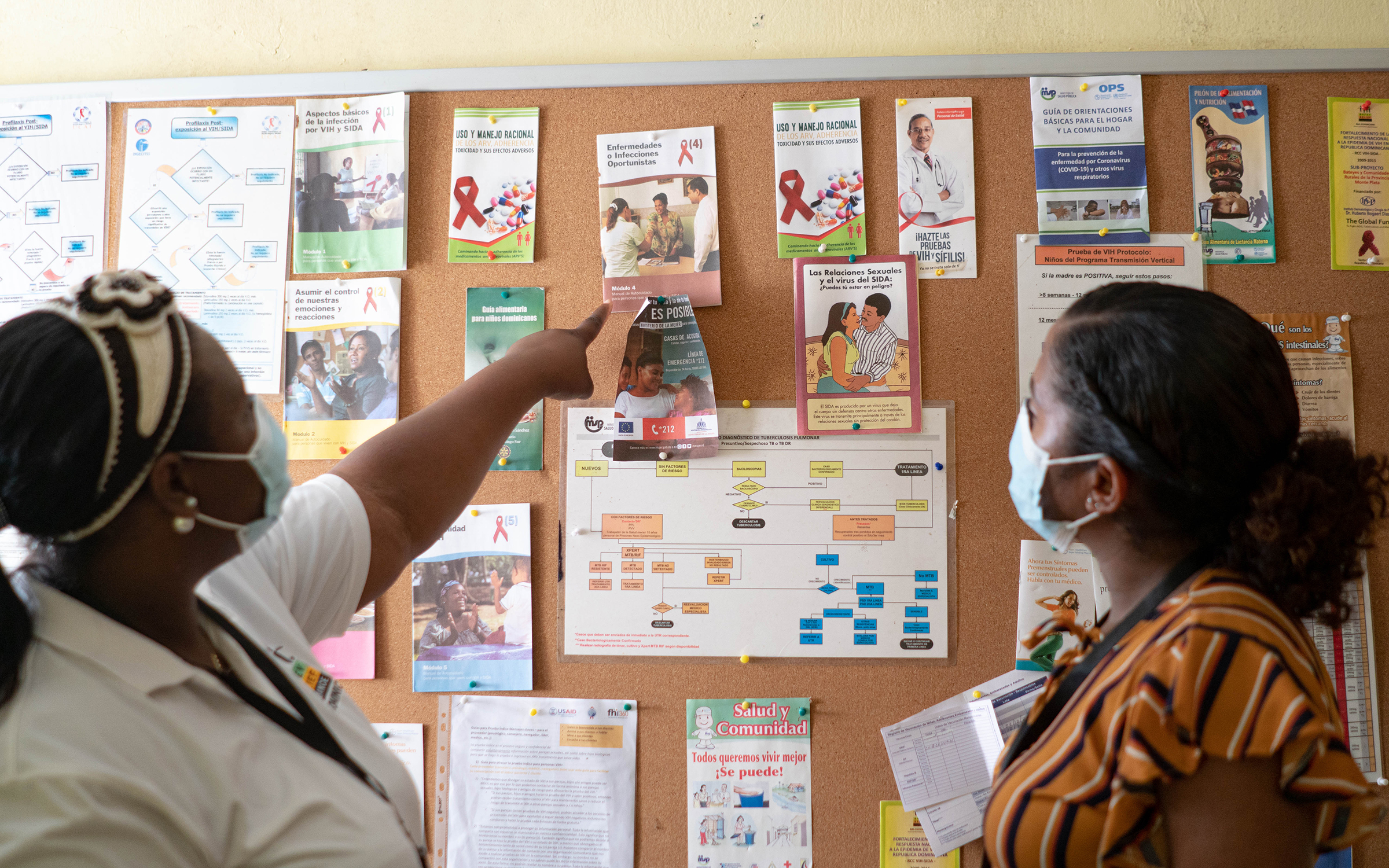
Twenty years ago, the U.S. President’s Emergency Plan for AIDS Relief (PEPFAR) was established to lead the global response to the HIV epidemic. Today, PEPFAR is a public health engine: a critical platform for strengthening health systems, preparing for and responding to pandemics, and enabling global health security. Here, we share how PEPFAR made it possible for FHI 360’s teams to effectively respond to COVID-19 in countries with established HIV infrastructure.
A foundation for rapidly responding to emerging infectious diseases
Countries are prepared to respond to emerging infectious diseases if they already have strong systems in place. Infrastructure such as supply chains, data systems, laboratory systems, the health workforce, and local community leadership contribute to health security preparedness.
PEPFAR has invested more than US$100 billion in health infrastructure for the pursuit of HIV epidemic control. The program funds laboratory infrastructure, information systems, health workers and cadres of peer educators, among other endeavors. Through these systemic investments, PEPFAR has saved 25 million lives. It has also built a foundation for tackling emerging infectious diseases.
Pivoting to the COVID-19 pandemic
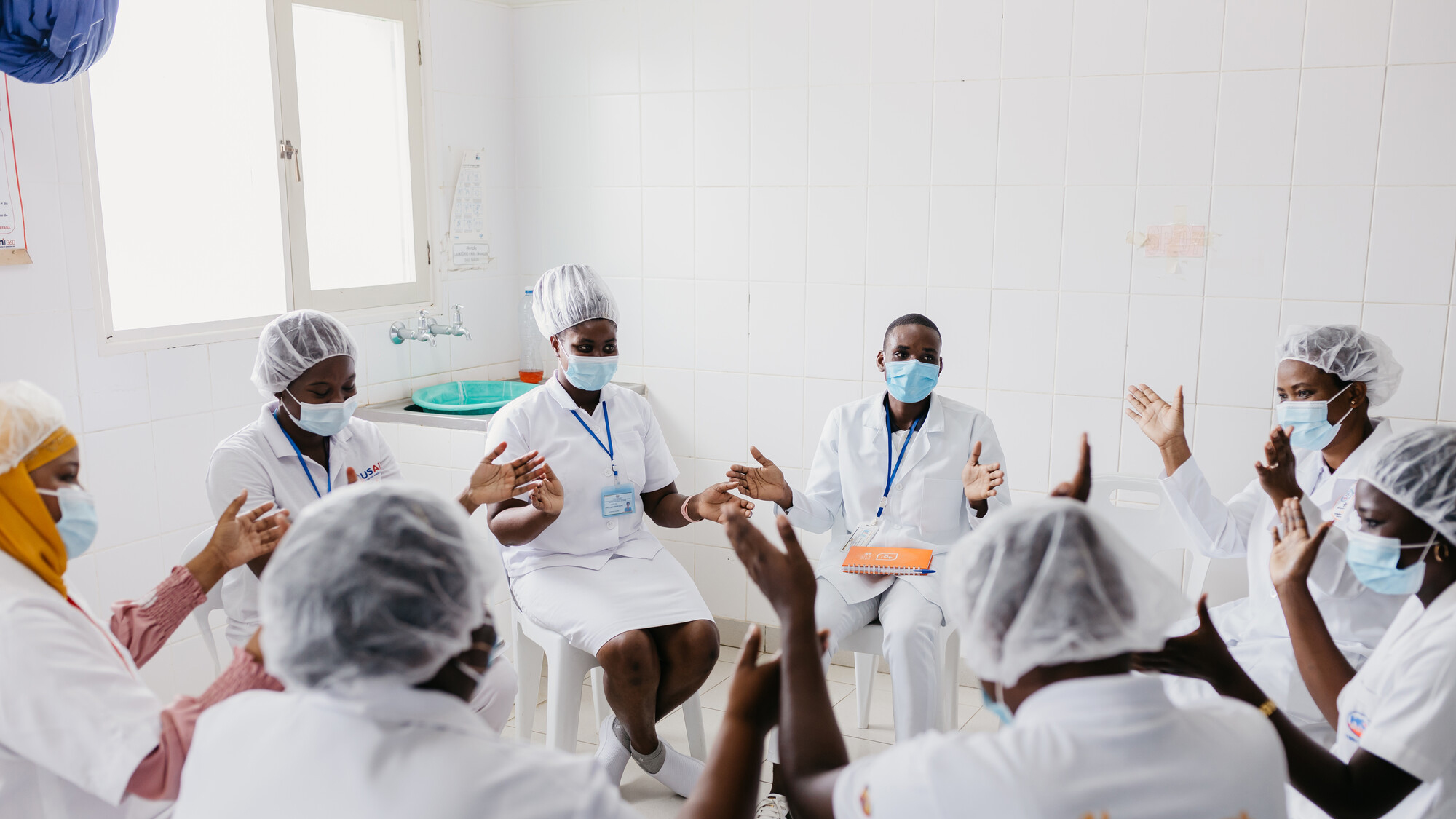
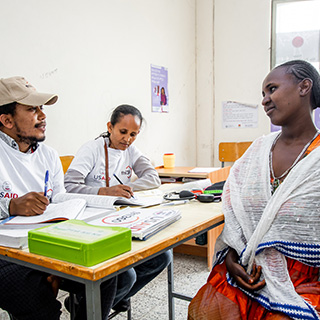
In early 2020, when COVID-19 first emerged as a global health threat, the U.S. Agency for International Development called on projects that provide HIV services, such as those we lead, to support U.S. government partners in responding to COVID-19. We saw firsthand how PEPFAR’s systems, which were designed to fight HIV, could rapidly be utilized to address COVID-19.
Since then, our flagship HIV project, Meeting Targets and Maintaining Epidemic Control (EpiC), has leveraged the systems PEPFAR put in place as well as our existing HIV programs to support the COVID-19 response in 56 countries across Africa, Asia and the Pacific, and Latin America, while also continuing to maintain essential HIV services. Health and development specialists around the world stepped up, innovating and adapting their work to save lives.
To fight COVID-19, EpiC is building surveillance, supporting COVID-19 vaccination and strengthening medical oxygen ecosystems.
Strengthening surveillance and genome sequencing capabilities
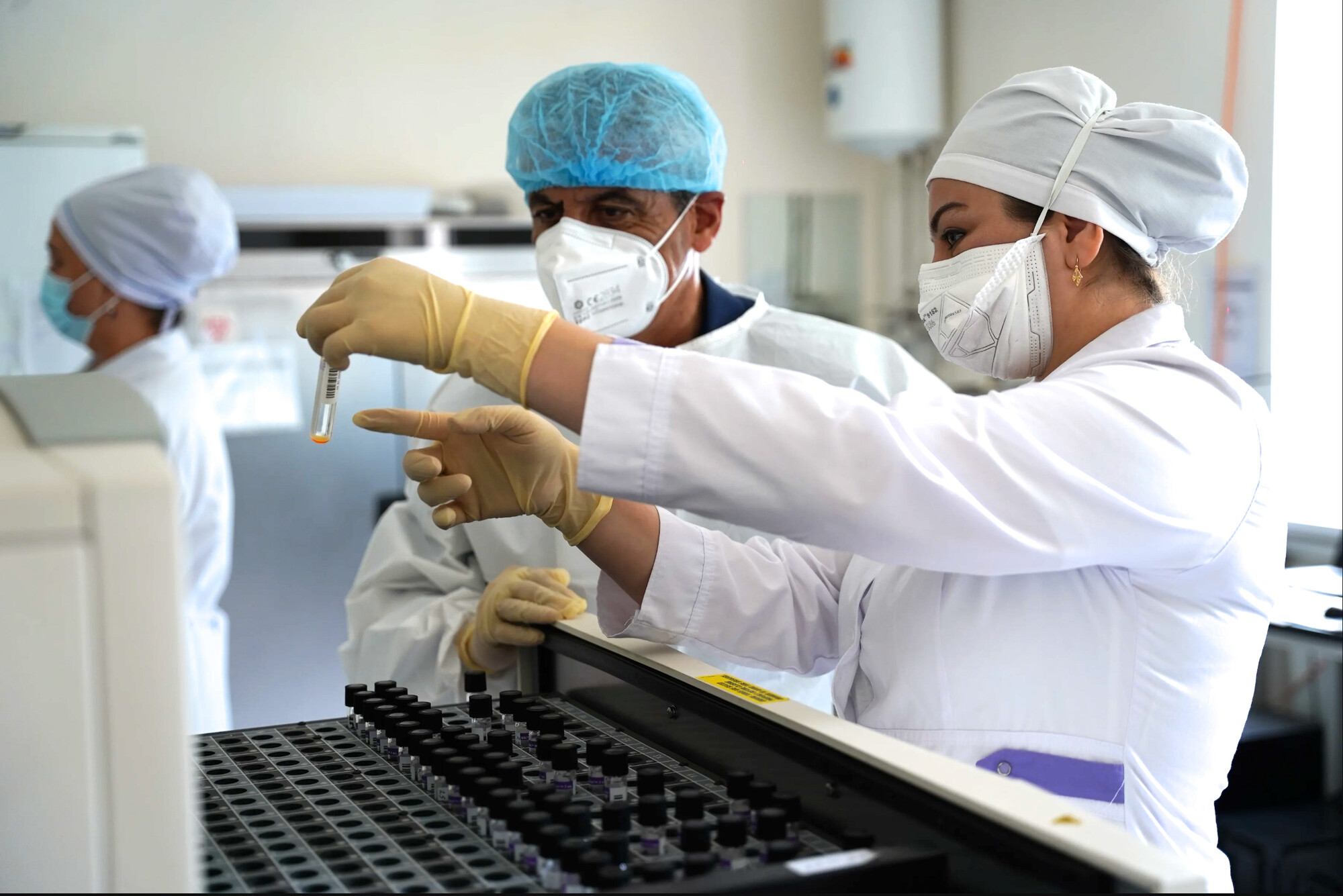
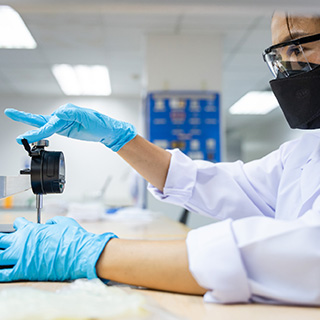
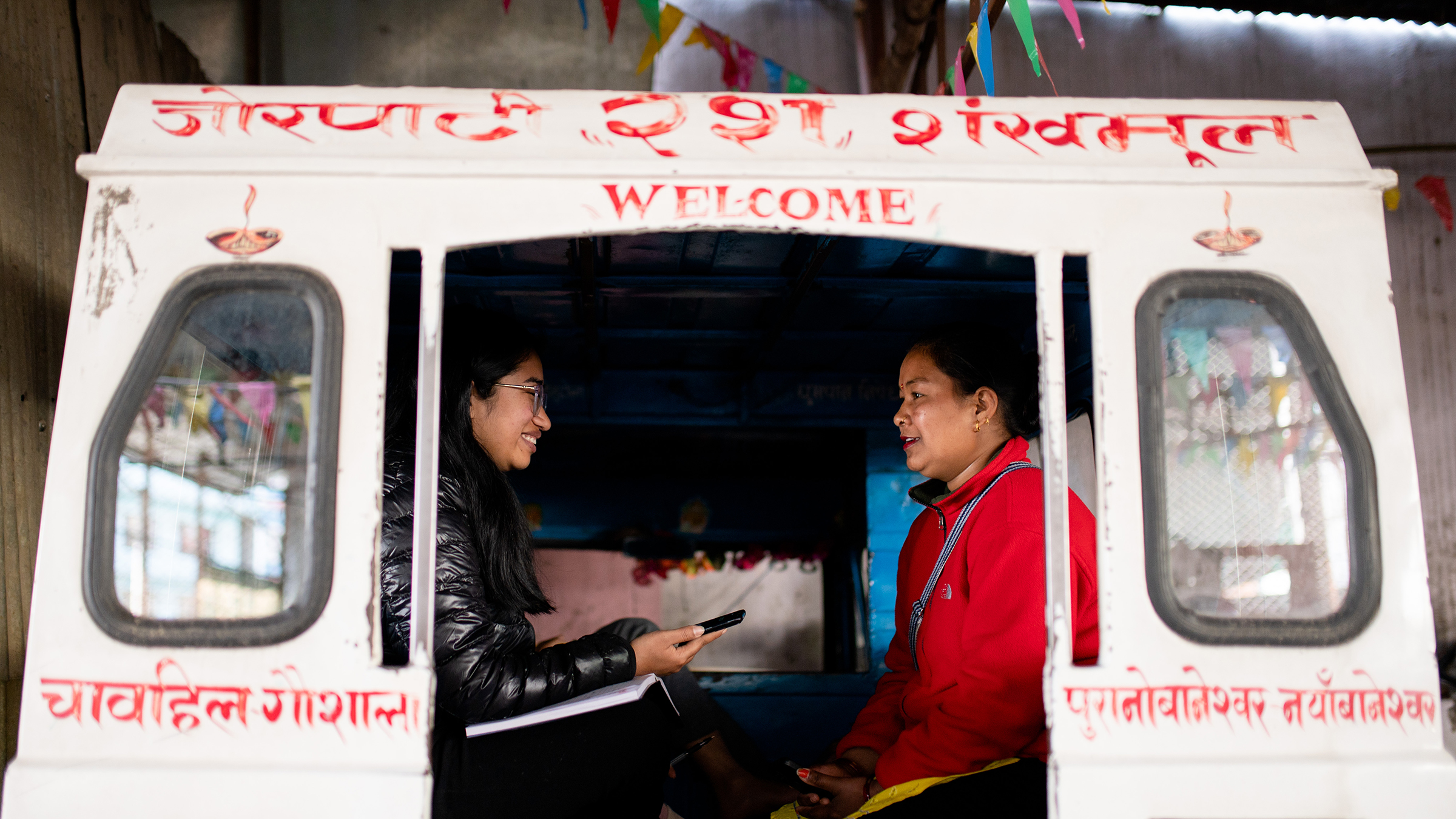
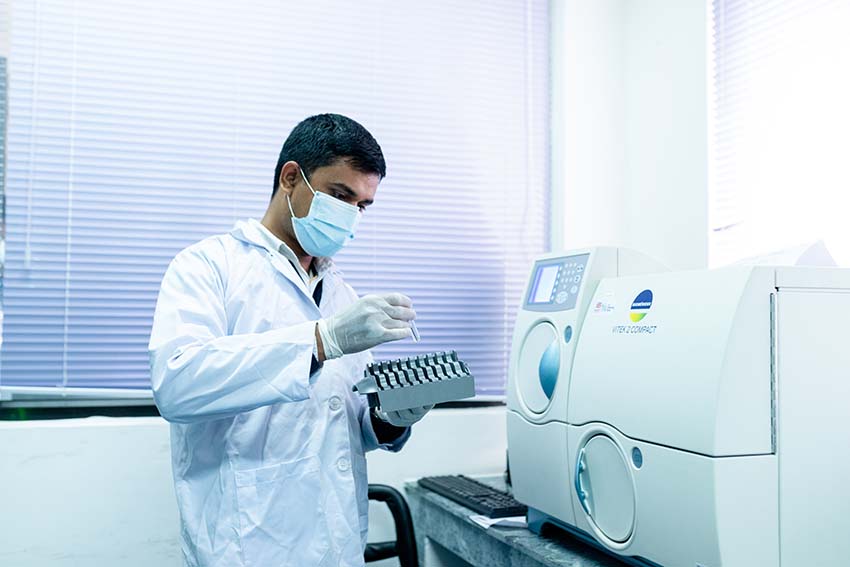
In Nepal, EpiC collaborated with the Ministry of Health and Population, the World Health Organization and other partners to strengthen surveillance and genome sequencing capacity within Nepal’s National Public Health Laboratory. Scientists in the lab detected Nepal’s first cases of the Omicron variant of COVID-19 in December 2021, alerting colleagues around the world and contributing to tracking its swift spread throughout the region.
Supporting COVID-19 vaccination
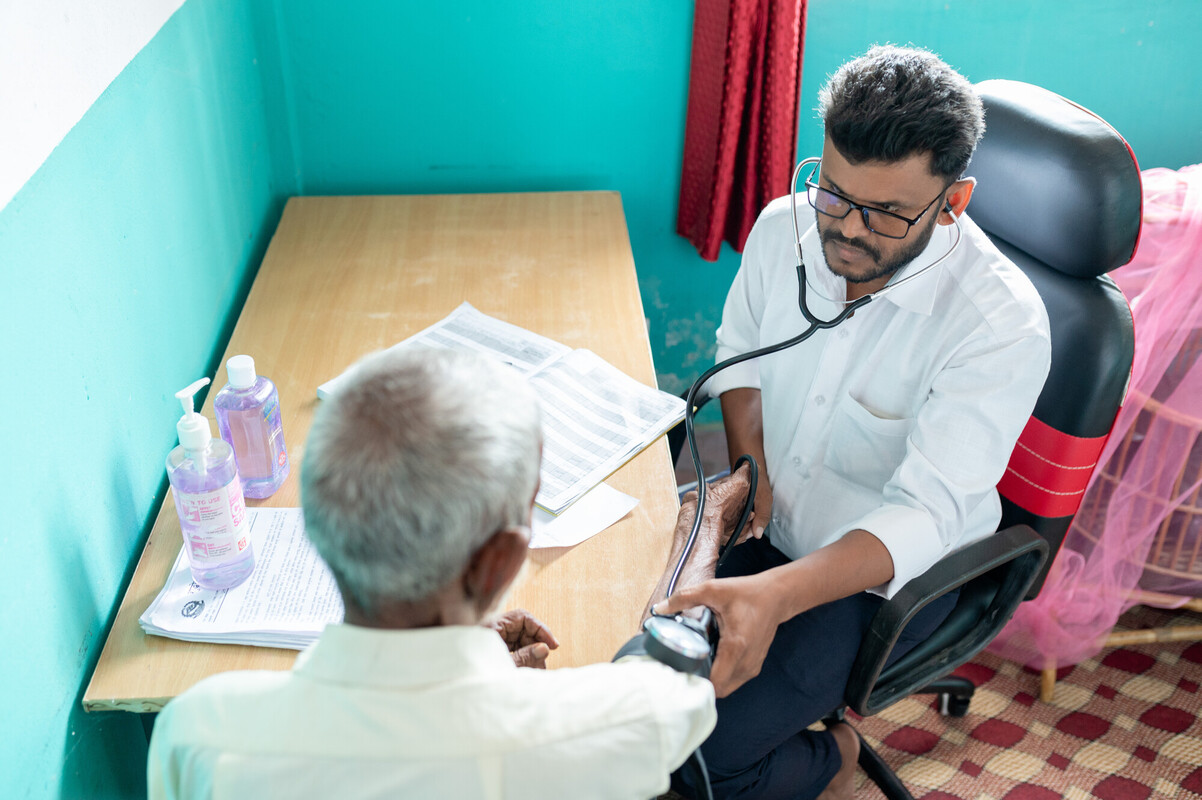
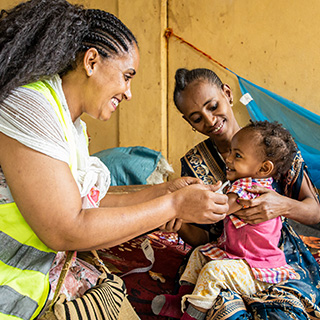
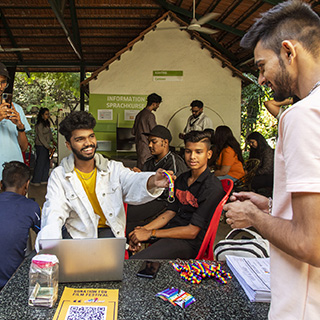
The EpiC project has increased COVID-19 vaccination coverage in many countries, including India, Tanzania and Indonesia. EpiC was able to leverage existing relationships with local government authorities, civil society organizations and health facilities for a swift and effective response. By collaborating with local civil society organizations, supporting case managers and peer navigators in connecting their clients to vaccination sites that are friendly to people living with HIV, and conducting mass media outreach and community mobilization, EpiC raised awareness of and increased confidence in the efficacy of COVID-19 vaccines.
EpiC’s efforts in Tanzania supported the administration of more than 2.4 million doses of the COVID-19 vaccine between April and September 2022. In Indonesia, EpiC’s work has enabled more than 1.7 million vaccine doses to be administered since August 2021.
Strengthening medical oxygen ecosystems
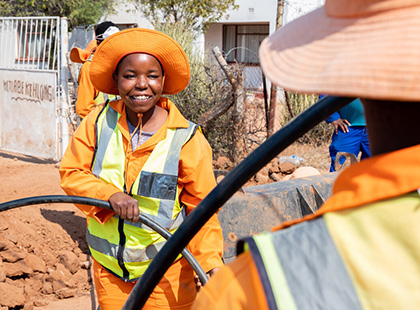
Health care facilities around the world experienced devastating shortages of medical oxygen during COVID-19 surges. EpiC has bolstered the medical oxygen ecosystem in 10 countries by installing oxygen systems at health facilities and training staff on how to use them. To do this work, which continues today, EpiC relies on long-standing relationships with ministries of health. The project has conducted rapid assessments in 26 countries and planned large infrastructure improvements.
Supporting an effective response to mpox
Around the world, 2022 saw a surge in mpox, which disproportionately affected gay and bisexual men and other men who have sex with men. Because these groups are also those at an increased risk for HIV in the HIV response, EpiC has extensive experience working with them. PEPFAR’s support enabled EpiC’s partner organizations to conduct nonjudgmental risk communication campaigns, which helped mitigate the impact of mpox when the virus was at the height of its circulation.
Continuing the investment
PEPFAR allows the global health community to respond to myriad public health threats. It has enabled tremendous progress in controlling the HIV epidemic globally. In addition, its infrastructure has been a crucial part of the global response to COVID-19.
As the 118th U.S. Congress looks to reauthorize PEPFAR, we encourage them to recognize how essential the platform has been as new infectious diseases spread around the world, while also remembering that we only have seven years left to achieve the United Nations’ objective of ending HIV as a global public health threat by 2030. For these and other reasons, Congress should move swiftly to reauthorize PEPFAR.
A version of this blog was originally posted on the EpiC blog. Visit the EpiC blog to read more about EpiC’s medical oxygen work in Panama and Vietnam.