
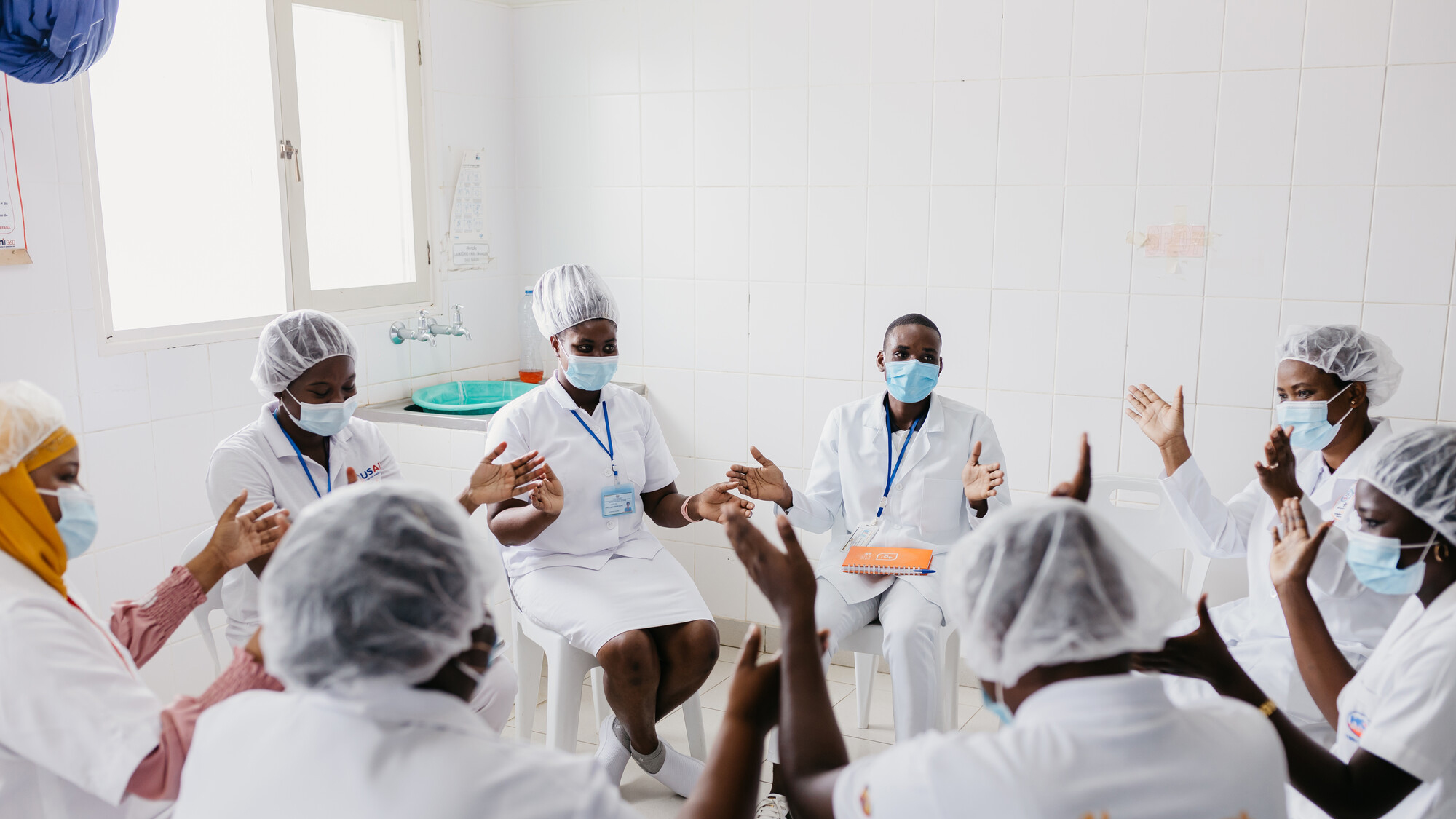
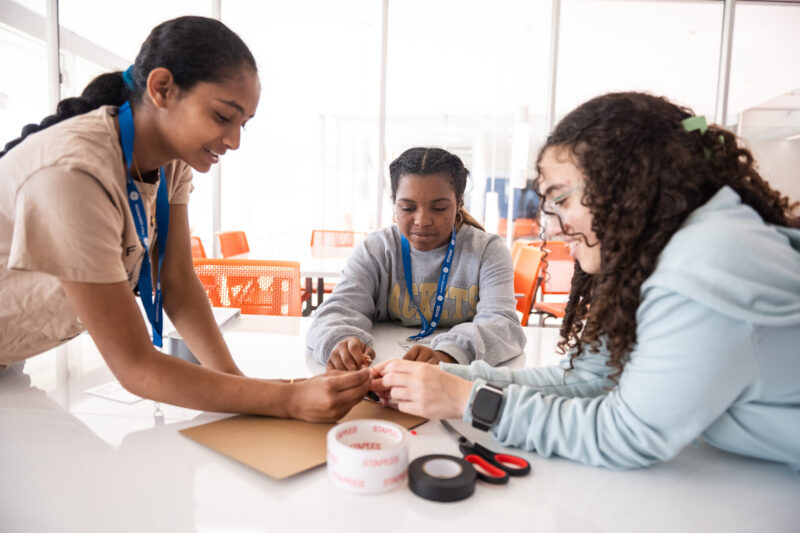
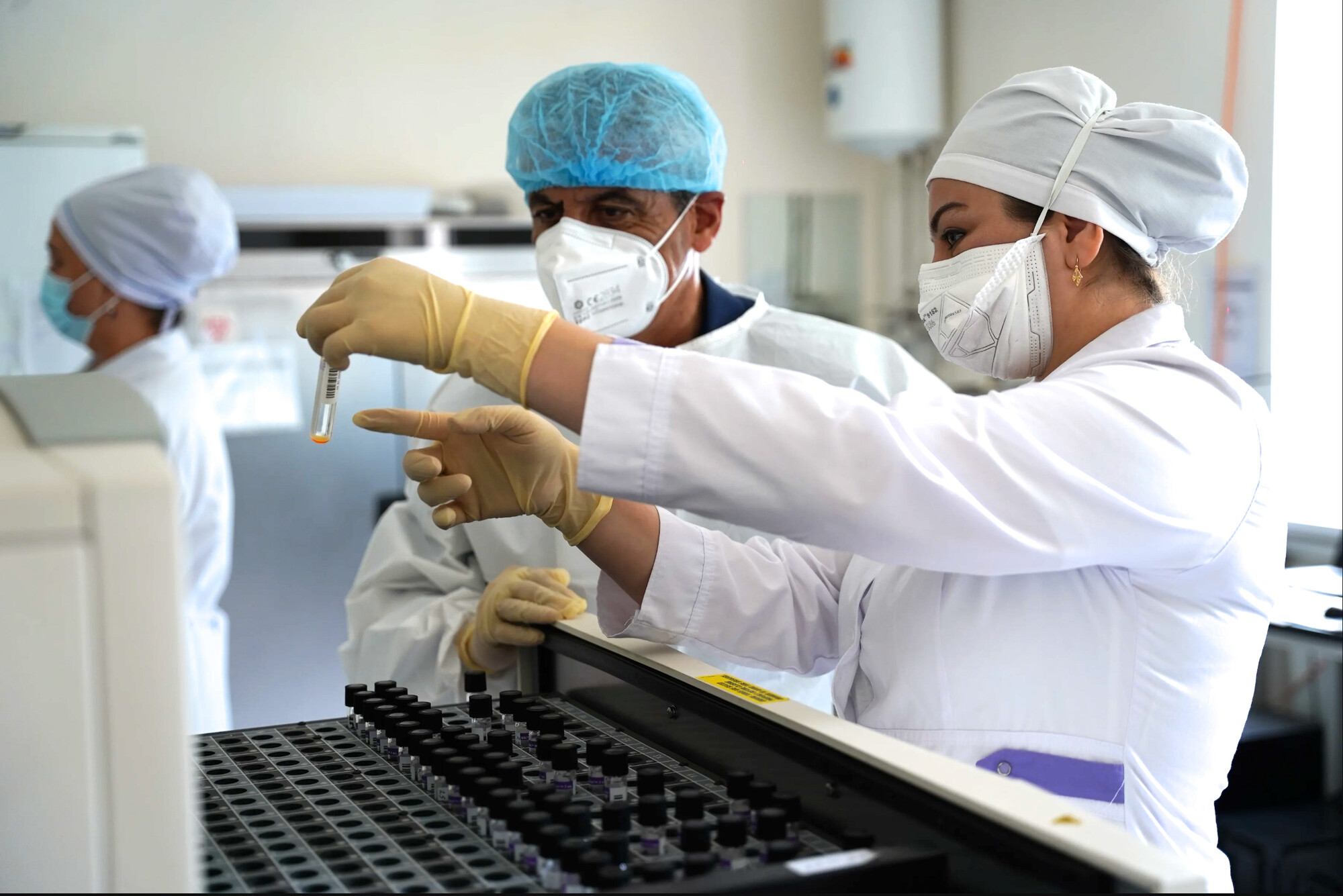
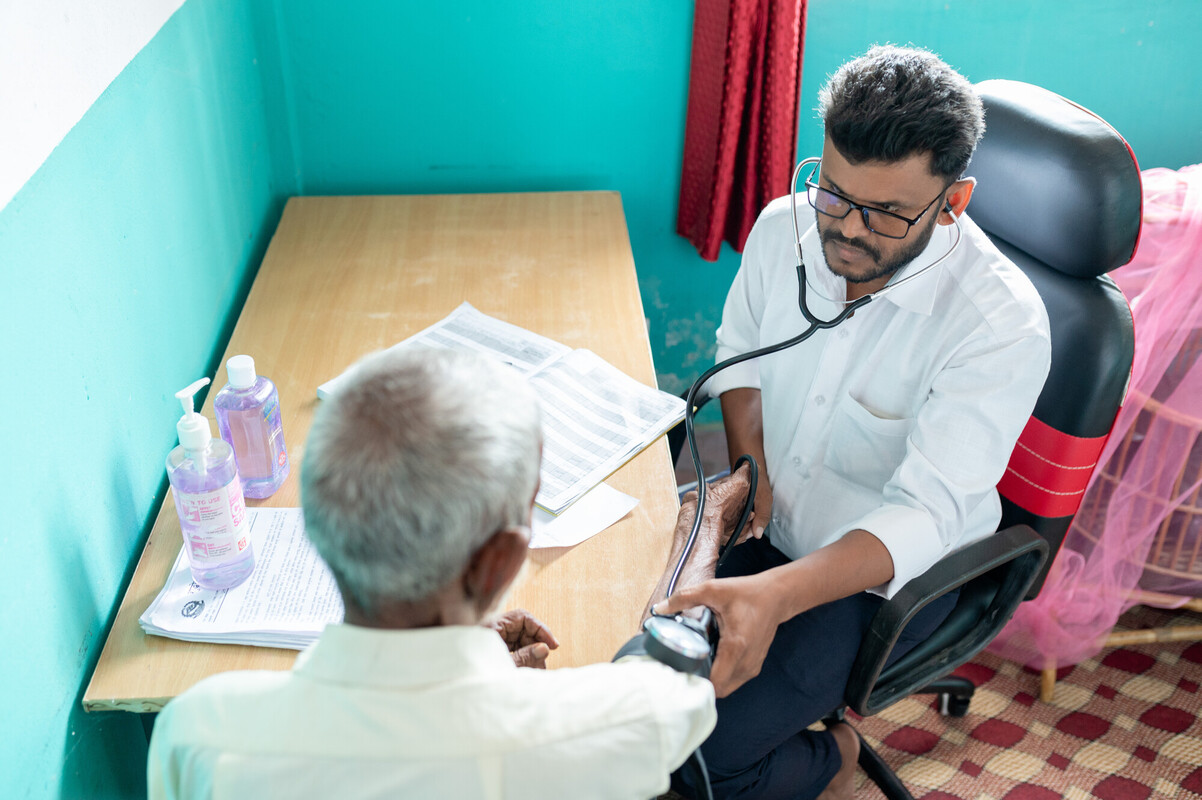
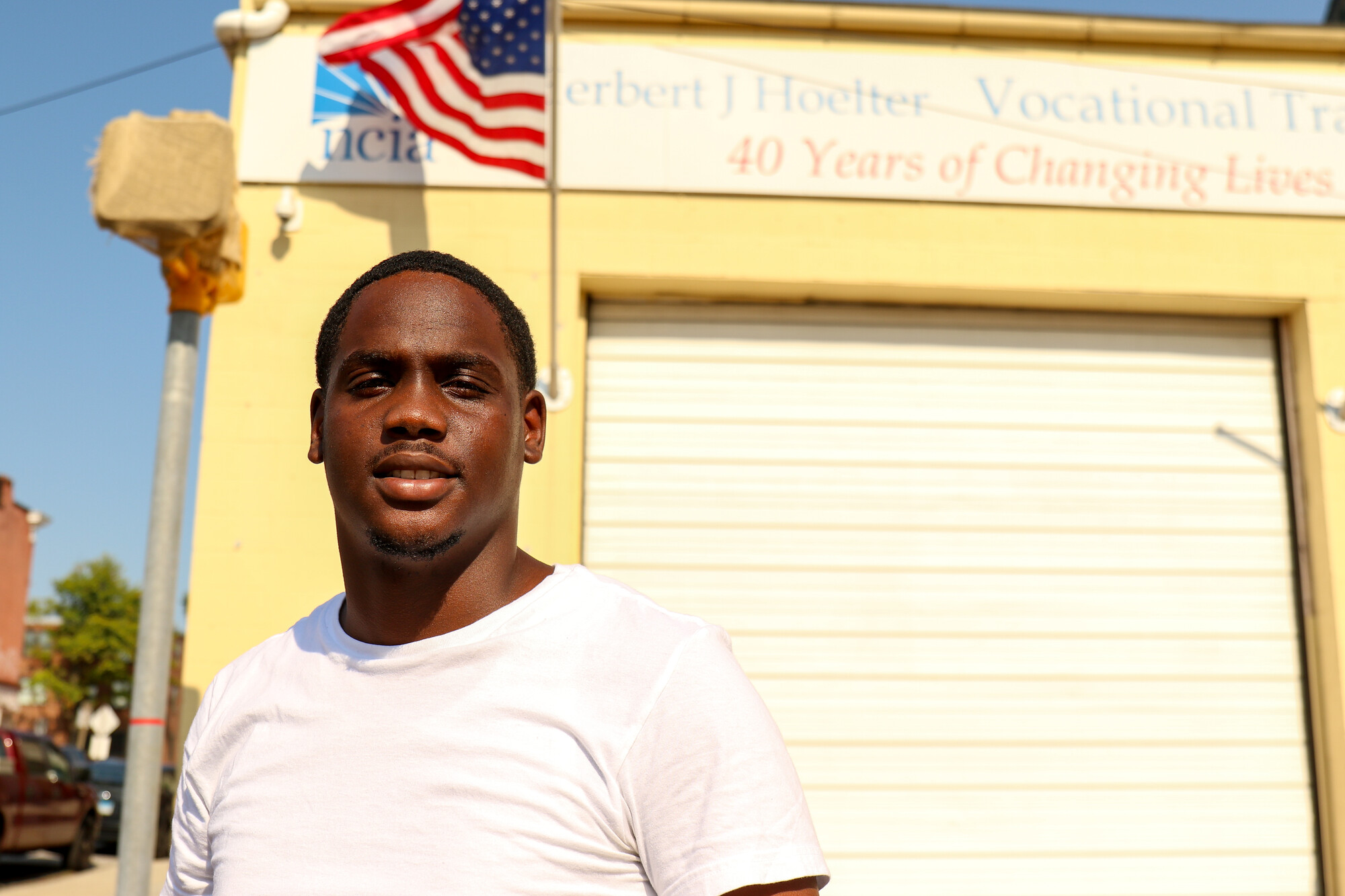
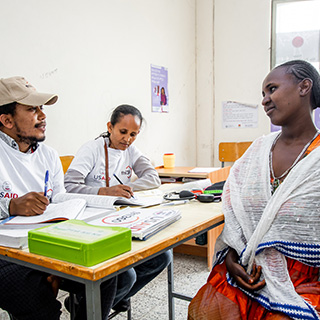
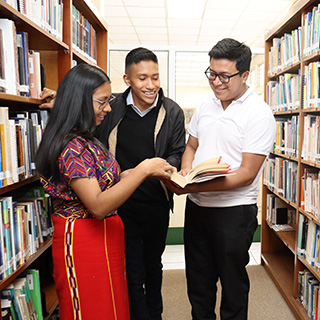
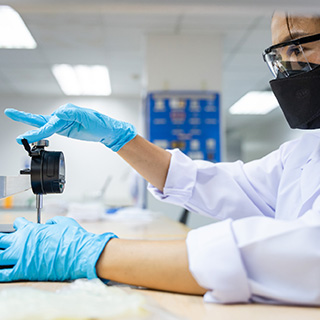
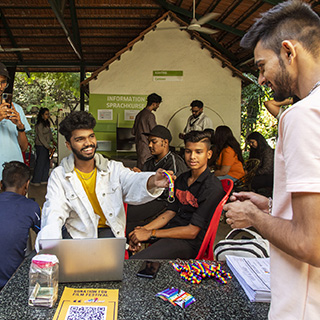
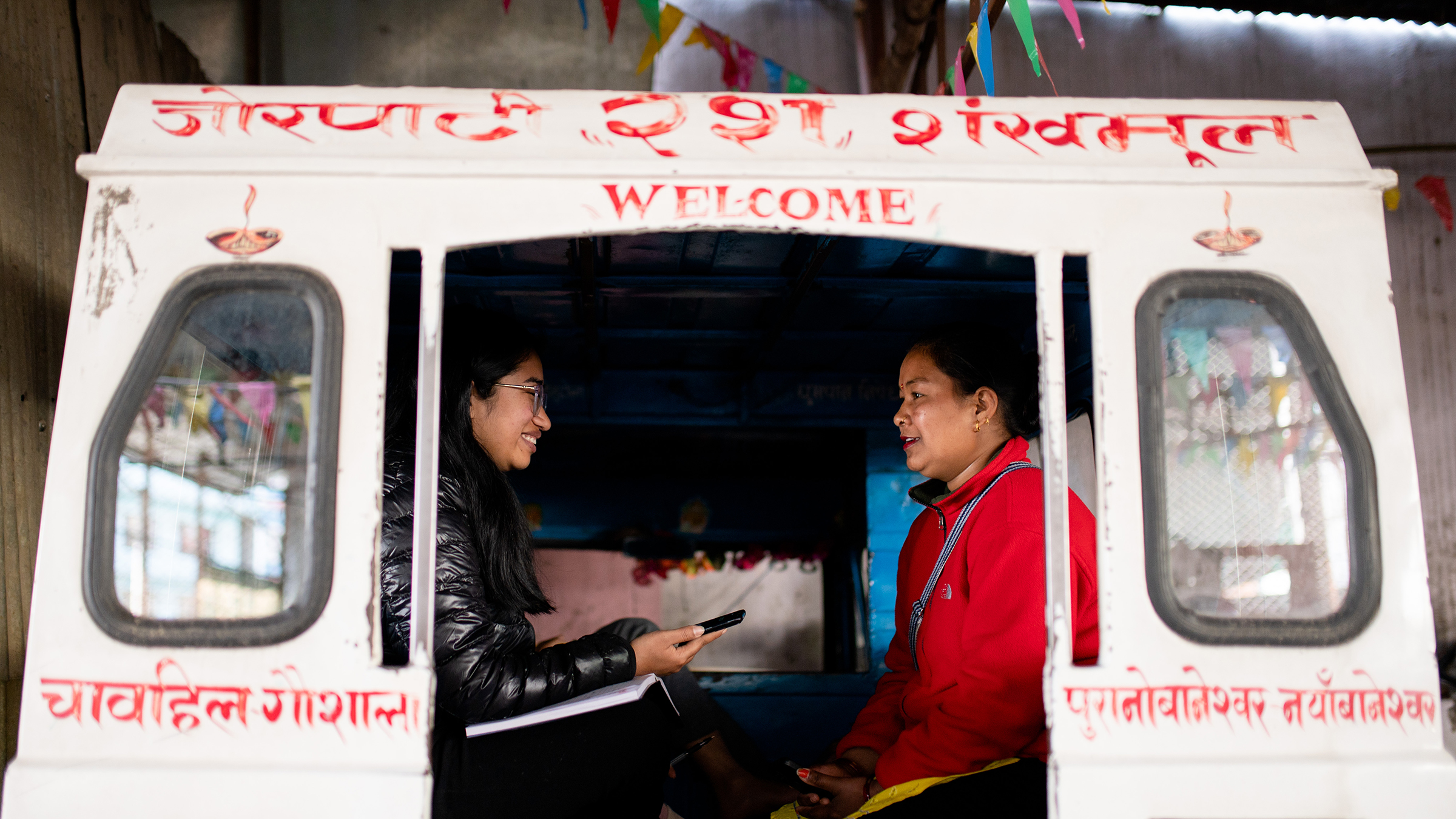
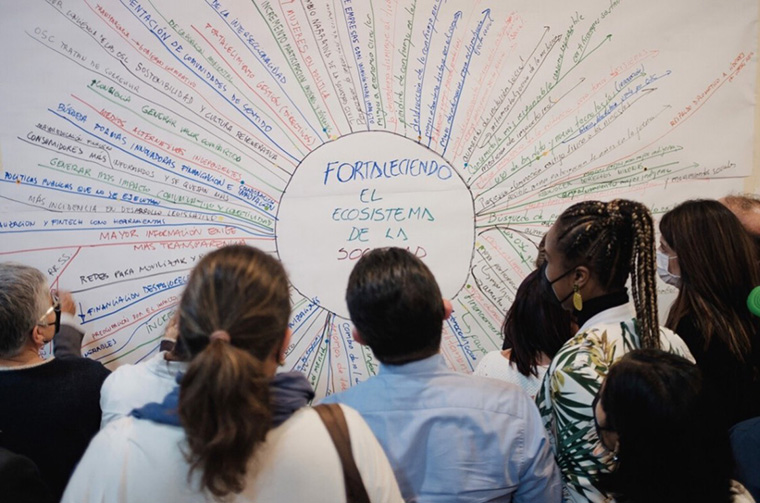
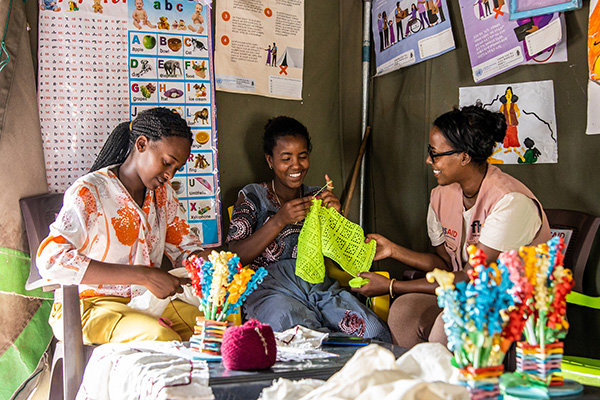
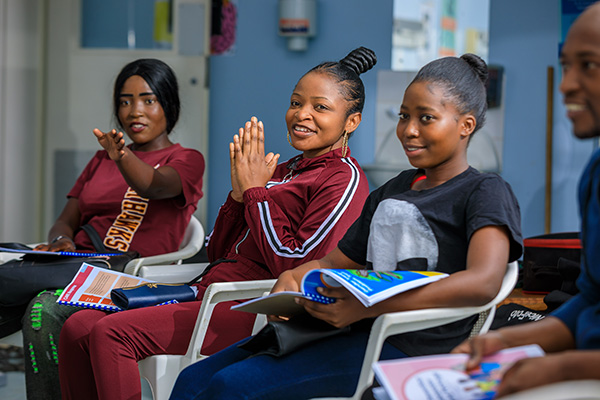
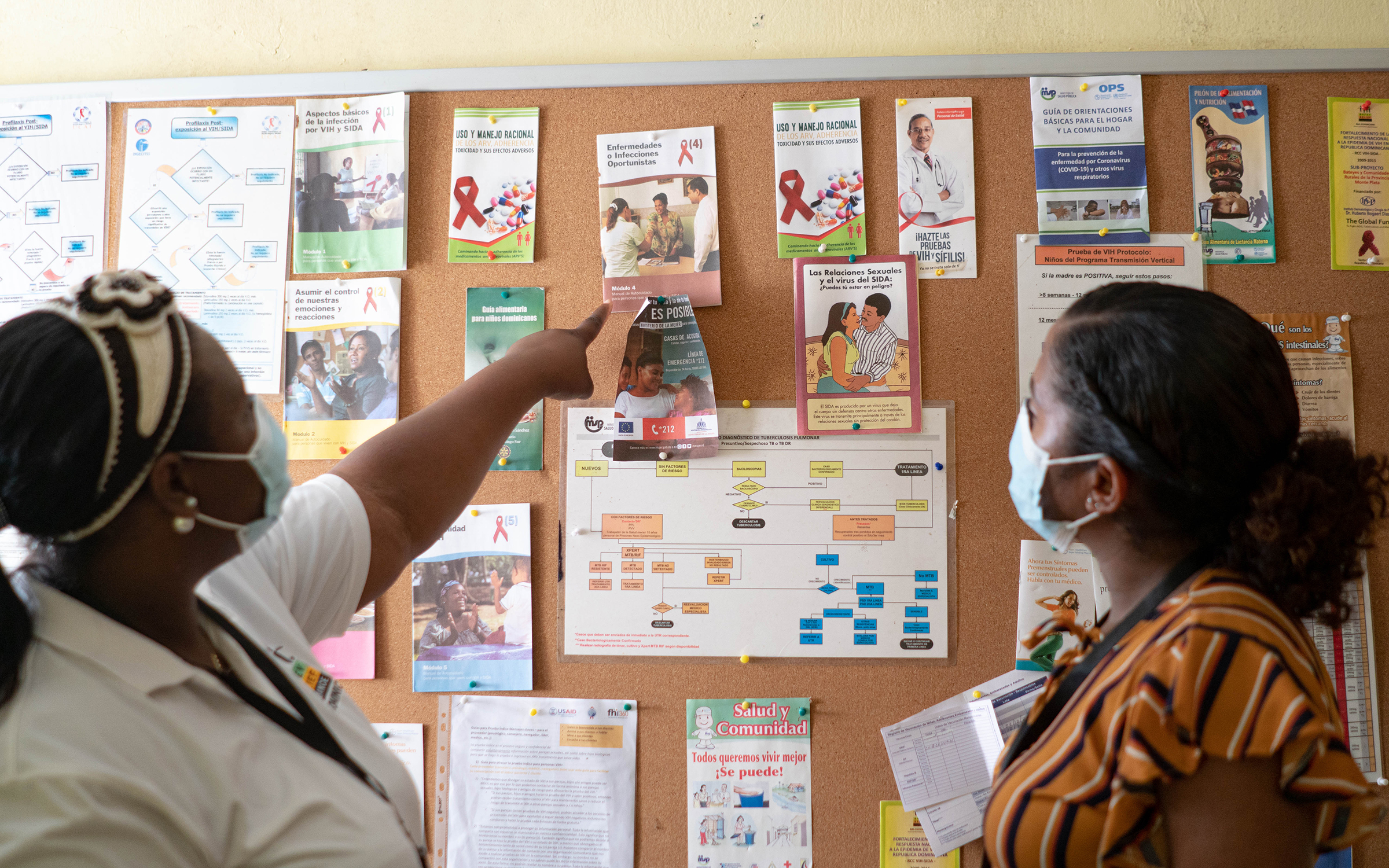
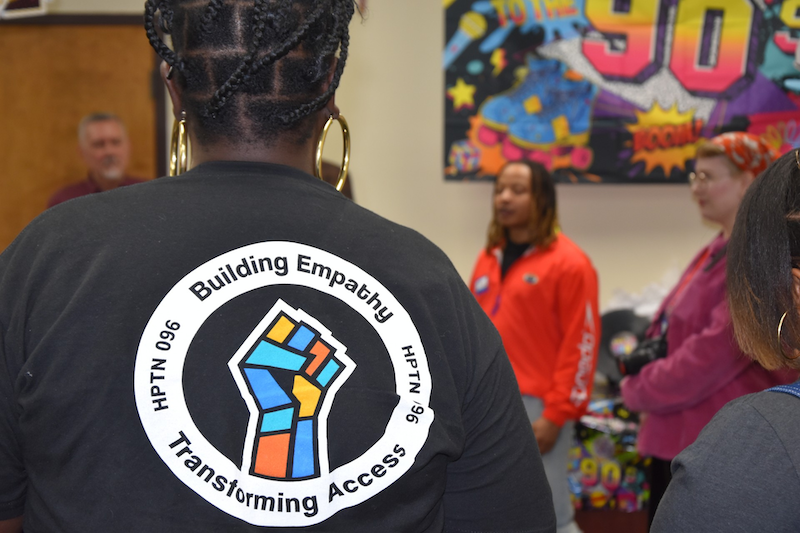
When communities are engaged in research from the start, outcomes better reflect their needs and realities. Community engagement supports recruitment, study retention, product adherence, and acceptance and uptake of findings — all essential to a successful research project.
FHI 360 involves communities in every phase of research. We’ve built our expertise through years of managing operations for major clinical trials networks — the HIV Prevention Trials Network (HPTN) and the International Maternal Pediatric Adolescent AIDS Clinical Trials Network (IMPAACT) — helping ensure that community voices inform research.
Below, Rhonda White, associate director of community programs at FHI 360, discusses what meaningful engagement looks like and how it helps bridge research and impact.
FHI 360: What is community engagement in the context of research?
Rhonda: It means meaningfully engaging the people who will participate in, may be affected by, or may influence the research. When successful, it fosters the respect and trust needed to sustain partnerships with volunteers, residents within the study catchment area, clinical research staff, research sponsors, funders and others.
Community engagement helps ensure studies are relevant to local context and impactful for people who might be affected by the results. Having a community engagement team member at the table — representing the needs and interests of study participants and those who might benefit from the study in the future — amplifies research acceptability and impact.
Partnering with the community improves research quality and relevance. Not engaging the community can lead to poor study participation rates, impacting the generalizability of results and leading to evidence that is not contextually relevant or solutions that don’t match community needs.
How does FHI 360 work with community leaders and members in clinical research?
In our multisite clinical trials, every site has a community educator — who shares research information with prospective participants — and a community advisory board. The board, which advises on study roll out, is made up of representatives from non-governmental and community organizations, community gatekeepers, organizers and leaders who may influence or be impacted by the research. Meanwhile, community working groups advise researchers, elevate concerns, and provide community-level updates on the scientific agenda.
Through our protocol-specific community consultations, we convene people from different backgrounds — the Institutional Review Board, ministry of health, clinical trial site, community advisory boards, research networks, religious leaders, and non-governmental-, community- and service-based organizations. Over two days, we explain how the drug works, describe the protocol, and gather feedback that helps us strengthen the protocol and facilitate implementation.
We tailor support to site needs, whether it’s a website, a social marketing campaign or materials about informed consent or recruitment. We provide graphically appealing resources, accessible to non-science audiences and in local languages. We also work with the community to identify and address misconceptions. And we promote knowledge-sharing across sites, connecting teams facing challenges to those that have found effective solutions.
Have community members taught you something that changed how you conduct research?
There was a trial where participants didn’t use the study product for various reasons. We realized we needed to better explain what it means to be a trial participant, so we developed a participant’s bill of rights and responsibilities.
We started with: “This is what it means to be in a clinical trial. This is what it means for you, as a participant. This is what it means for the clinical trial investigators — and this is what it means to work together.”
We asked community educators: “What do you need to make this study happen well in your communities? What can we provide?” That informed the toolkits that we made for the educators to use when they talk about the study product or demonstrate its use.
How do you gain the trust needed for the community to want to be involved in a clinical study?
We show that we’re not monitors — we’re partners. We’re not here to tell you what you’re doing wrong. We’re here to work together.
So, we assist educators and advisory board members in developing work plans that show how they will help implement a study. We convene monthly calls for community engagement representatives from all sites to share successes, struggles and solutions. We periodically invite pharmaceutical partners to these calls so community members can voice concerns — for example, about the cost and accessibility of a drug in development.
And we spend time with the communities in between studies. The relationship must be continuous — a genuine partnership continues beyond study closeout and results dissemination.
This all helps us to establish trust, which transfers to people working at the sites who are living or shopping in the communities where they’re enrolling participants. So, there’s a willingness for — for example — a village chief to speak with an educator and ask for the investigator to talk to the community. That’s what community engagement does. It bridges the gap between local communities and clinical trial sites.
“And we spend time with the communities in between studies. The relationship must be continuous — a genuine partnership continues beyond study closeout and results dissemination.”
– Rhonda White
Evidence into Action is a recurring series exploring how organizations, communities and governments can make better decisions using data. To learn how FHI 360 can help you engage communities in research studies, please contact partneringwithus@fhi360.org.
Frequently Asked Questions
How does community engagement improve clinical research?
Community engagement helps make clinical research more relevant to local needs, strengthens participation and retention and improves the acceptance and potential use of research findings. Engaging communities early also helps researchers identify concerns, misconceptions and barriers that could affect study implementation.
How does FHI 360 engage communities in clinical research?
FHI 360 integrates community engagement throughout the research process. Approaches include community educators, community advisory boards, working groups and protocol-specific consultations with participants, community leaders, research institutions, ministries of health and local organizations.
Why is community trust important in clinical trials?
Trust helps researchers build and sustain relationships with participants and the communities where studies take place. FHI 360 builds trust through long-term partnership, regular communication and opportunities for community members to raise concerns and influence how studies are implemented.
What experience does FHI 360 have in community engagement for research?
FHI 360 has built its community engagement expertise through years of managing operations for major clinical trials networks, including the HIV Prevention Trials Network (HPTN) and the International Maternal Pediatric Adolescent AIDS Clinical Trials Network (IMPAACT).