

As the COVID-19 pandemic expands at an exponential pace among the world’s population, it is increasingly clear that we are all in this together and need to work hard to cultivate a sense of global community. Our connected world has achieved decades of unprecedented prosperity and health gains. Through connectedness at many levels, including trade, industry, education, research, services and travel/hospitality, humanity has, indeed, become a global village. It is this same connectedness, augmented by a dramatic increase in international travel over the past decade, that facilitated the rapid spread of COVID-19 to all corners of the world. Now, we must use this same connectivity to mount a sustainable, comprehensive, global response to the pandemic.
Currently, more than three billion people are under directives to lock down, shelter in place or stay at home to block viral transmission by practicing social distancing (which is more accurately described as physical distancing). During this time, it is imperative that we continue to communicate; share knowledge, research findings, resources and experiences; and offer support.
Potential fault lines
In the face of the COVID-19 pandemic, there are many potential societal and cultural fault lines that can develop unless we consciously and proactively work to prevent them. Here are a critical few.
- Global policy, especially global health security. This is not the time for isolationism. We must work to avoid a me-first approach and cultivate a truly global COVID-19 response. Over the years, international aid has proven a win-win for both donor and recipient nations, stopping disease outbreaks before they expand in the original locations, extend regionally and globally and put all nations at risk. The global COVID-19 response should build upon previous investments in health security and be data-driven to focus efforts where the pandemic is most likely to expand, particularly in nations with limited health system capacity to mount an effective response.
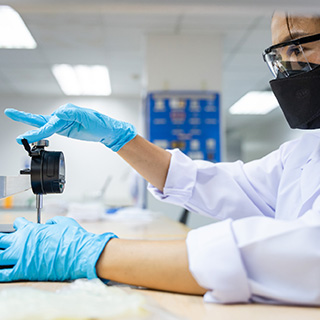
- Critical care equipment. Logistics must be coordinated at an international level to avoid domestic political interference. The health care system is the part of our society most vulnerable to overload during this pandemic. Limitations in capacity to deliver complex critical care, especially with ventilators to support patients with severe pneumonia, will be the key determinant of mortality from COVID-19. Inadequate quantity and uneven distribution of critical care equipment will challenge all health systems, especially those in lower- and middle-income countries. Encouraging global production and donation of equipment to these countries will be absolutely necessary to the global response.
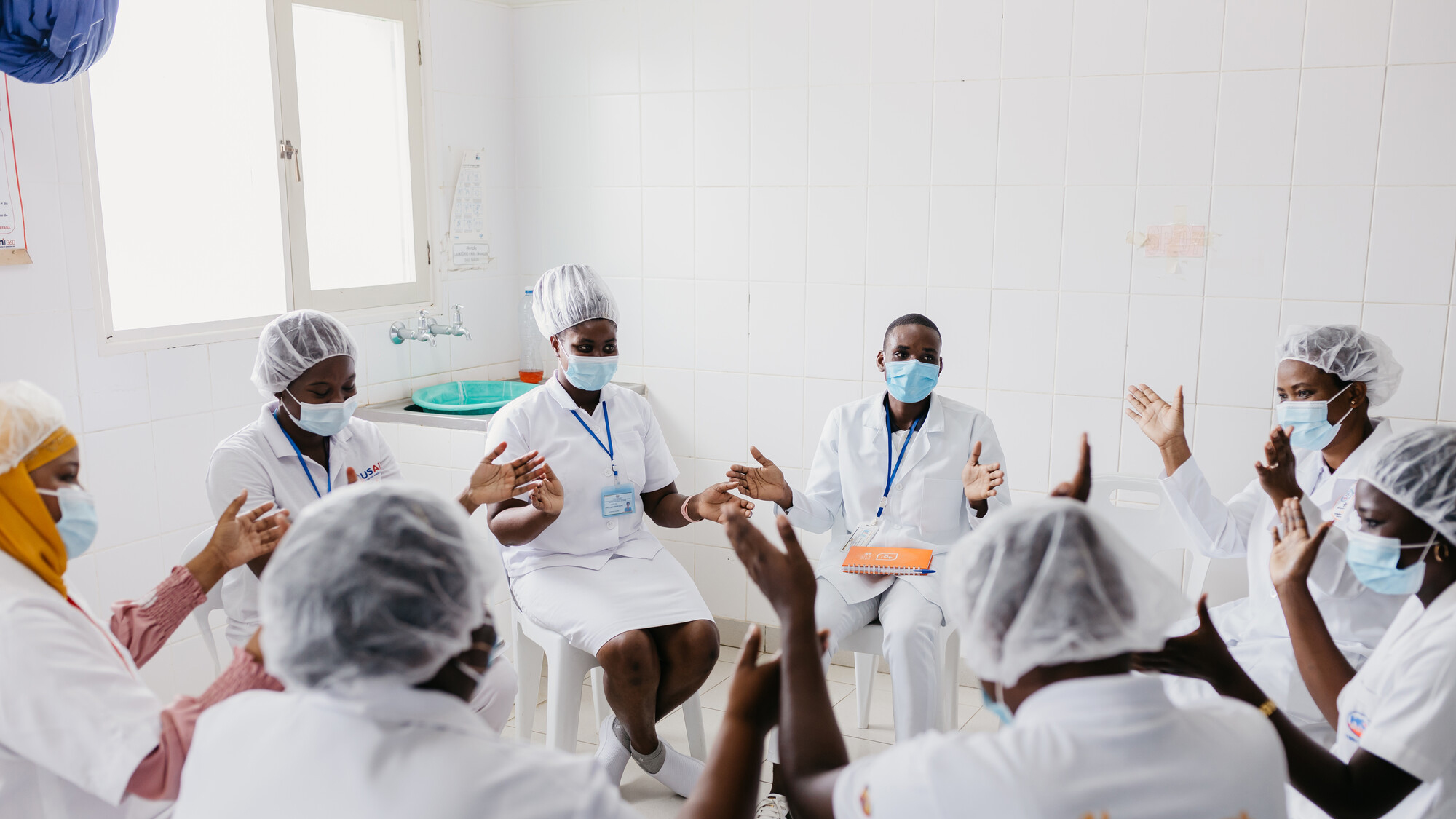
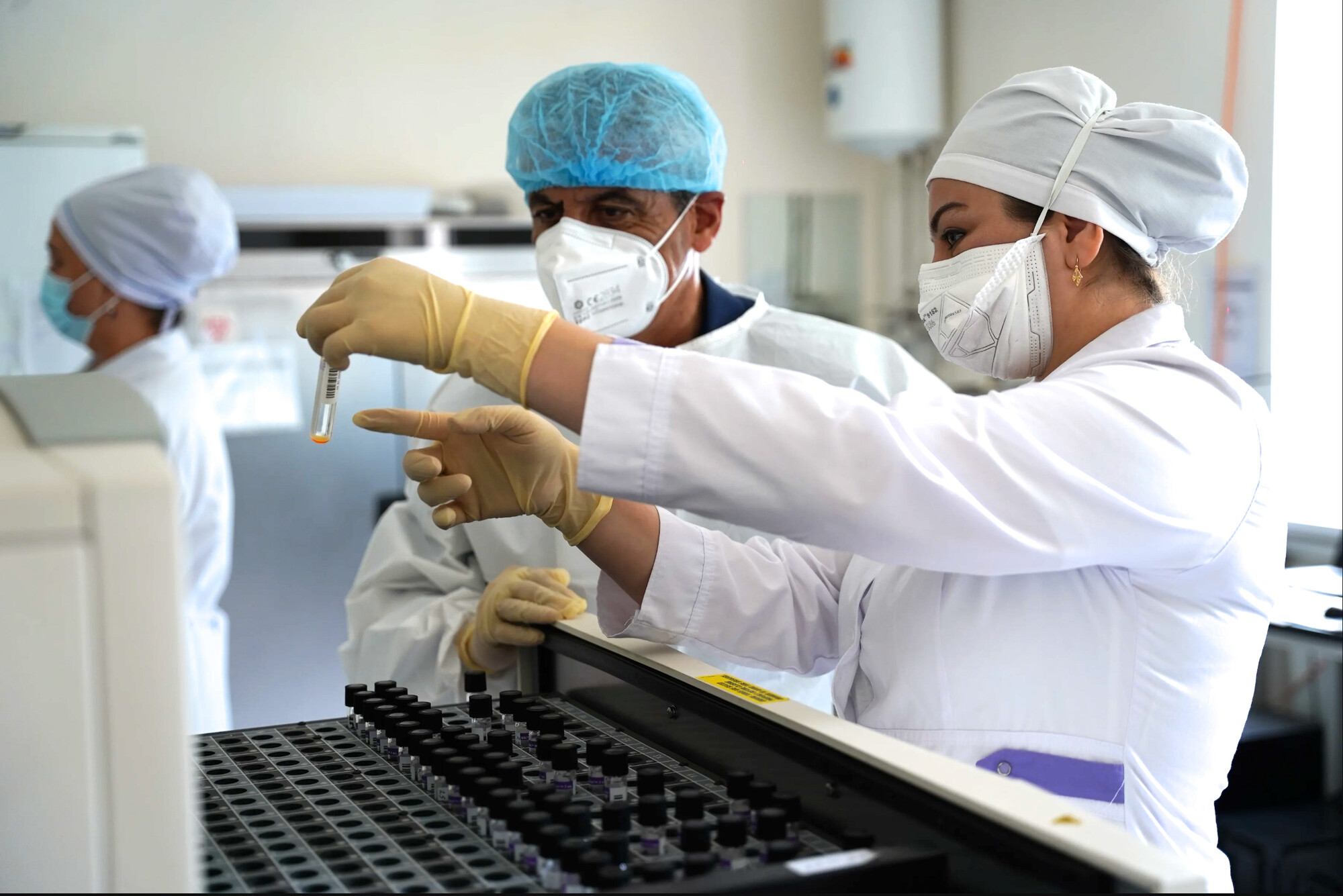
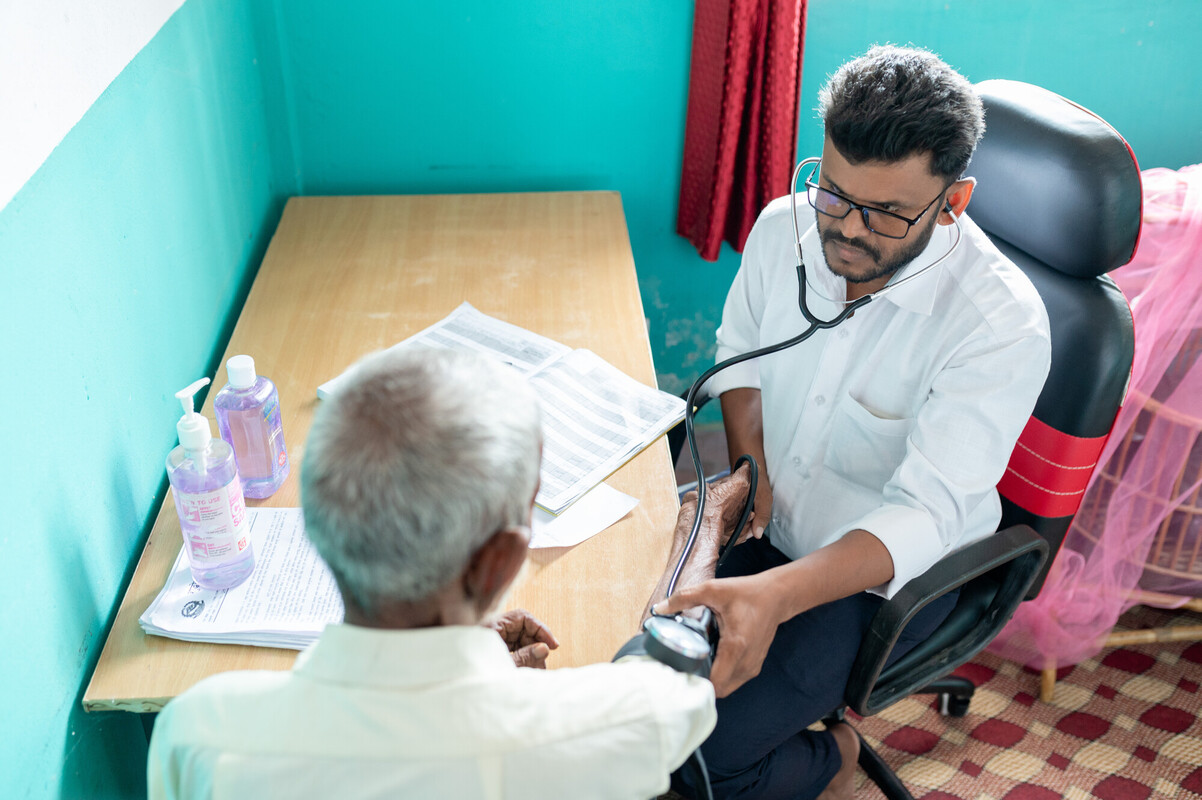
- Health care workers. Every effort must be made to provide a safe working environment and personal protective equipment to minimize the chance of viral infection. More important than essential equipment and supplies, however, are the health care workers who play the central role in the response. If health care workers develop COVID-19, they will be unable to work for a minimum of two weeks. A surge response should include not only domestic mobilization of all available health care workers, including retired or unemployed workers, but also skilled international professionals imported for the specific aim of COVID-19 response. This approach worked well for the West Africa Ebola response in 2014-2016.
- Stigma and discrimination. Tolerance and understanding are key. Stigma has proven a significant impediment to epidemic control for other diseases, including sexually transmitted infections, HIV and tuberculosis. While we may be physically distancing for weeks or months to block COVID-19 viral transmission, we must work to avoid an inclination toward isolationism. The common enemy is a minute virus, not other humans. Early in the COVID-19 epidemic, the origin of the novel coronavirus (SARS-CoV-2) in China led to discriminatory anti-Chinese and anti-Asian sentiments and actions, resulting in stigma. Unless such sentiments are called out and addressed with science-based reasoning, they have the potential to grow and increase fault lines. There is a long history of blaming another country for illnesses. Sexually transmitted infections have long been blamed on neighboring countries. Over the past 40 years of the HIV/AIDS pandemic, there have been ample examples of stigma and discrimination of subpopulations and nationalities. We have learned from this experience and can use the lessons learned for this new pandemic.
- Socio-economic status. Without the robust intervention of government or international financing institutions, there is a likelihood of mass migration and social unrest. At this early stage of the COVID-19 pandemic, we are already beginning to see socio-economic factors coming into play in the response. Home quarantine as part of physical distancing has proven effective in flattening the curve of infection but can be personally challenging. People who are unable to telework lose their jobs. They often become anxious, sad or even depressed while quarantined. People in crowded or suboptimal housing have a more difficult time with home quarantine. For some, complying with home quarantine is a stark choice between preventing an infection and watching the family go hungry when they have no savings and rely on daily wages. Quarantine in small living spaces with several people is very stressful and difficult to sustain.
- Global access to treatments and vaccines. Treatment will be required for many millions of people, and a vaccine will need to be made available to several billion. Although there is an active research and development effort underway, there are currently no proven, effective treatments for COVID-19, and a safe and effective preventive vaccine is likely more than a year away. It is important that we begin now to address how effective treatments and vaccines, once they are developed, will be made available to everyone who needs them. We will need a comprehensive COVID-19 response to avoid have-or- have-not dynamics that could derail effective pandemic control.
Everything from infection risk caused by one’s inability to physically distance to survival of severe COVID-19 as related to access to critical care and ventilator support have the potential to fracture societies. The fault lines will be accentuated in the world’s most resource-limited settings, particularly in Africa and parts of Asia and Latin America. We are truly all in this together, and we need a response built on this reality.