




Skip to content
FHI 360
  • Languages
  • Low bandwidth
  • High bandwidth
  • Search
  • Who we are
        • Who we are
          • About us
          • Leadership
          • Ethics and safeguarding
          • Impact and financial reports
          • Contact us
        • About us

          Impact and financial reports

  • What we do
        • What we do
          • Economic opportunity
          • Health


        • How we do it
          • Research in action
          • Humanitarian response
          • Digital innovation and AI
        • Explore our expertise
        • Economic opportunity

          Health

  • Where we work
        • Where we work
          • Asia Pacific
          • Central Africa
          • East Africa
          • West Africa
          • Southern Africa
          • Middle East and North Africa
          • Europe and Central Asia
          • Latin America and the Caribbean
          • United States
        • Around the world

          In the United States

  • Work with us
        • Work with us
          • Join our team
          • Local partners
          • Government and multilateral funders
          • Foundations and corporations
          • Academic and research partners
          • Small businesses and vendors
          • CEO position specification
        • Join our team

          Local partners

          Government and multilateral funders

          Foundations and corporations

          Academic and research partners

          Small businesses and vendors

  • News
        • News
          • Newsroom
        • Get the latest news
        • Newsroom

  • Stories
        • Stories & blog
          • Stories
          • Videos (YouTube)
          • Blog
        • Explore our storytelling
        • Our storytelling

          Blog

  • Resources
        • Resources
          • Resource library
        • Resource library

Home | Blog | A young entrepreneur uses technology for social innovation
August 9, 2019

A young entrepreneur uses technology for social innovation

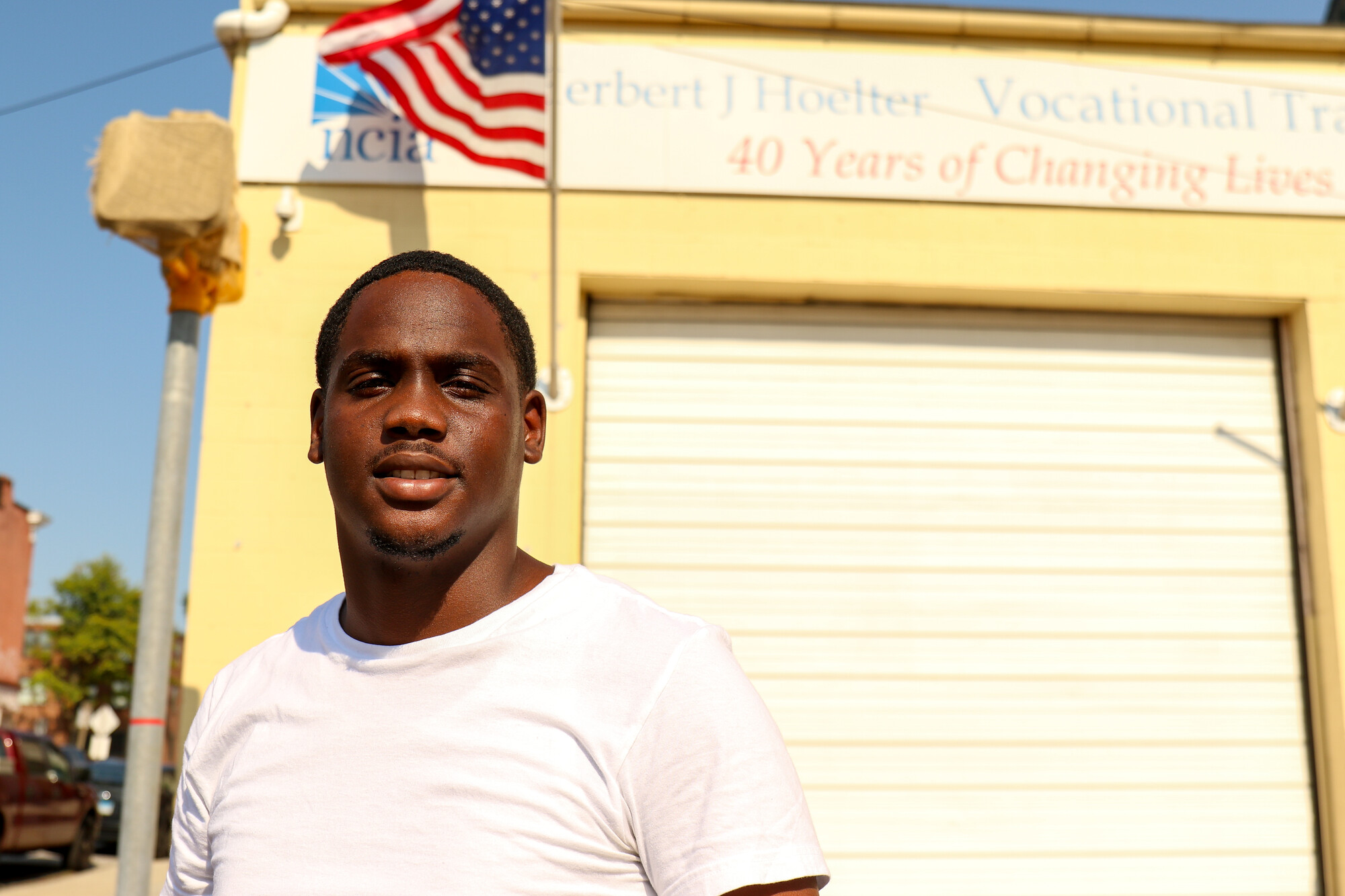
Nestor Bonilla is an entrepreneur from Managua, Nicaragua, who works with local and international organizations to apply technology in new ways to solve social problems. He also founded two social start-ups: Honey Things and Digital Bonds. In 2017, Bonilla was a fellow with the Workforce Connections project, which was funded by the U.S. Agency for International Development and implemented by FHI 360. Recently, Bonilla visited Washington, DC, and shared his perspectives on entrepreneurship and youth.

Why did you become an entrepreneur?

Being an entrepreneur has been a way of life for me since I was a child. My father was an accountant and worked for different companies, always from home. I wanted to do something similar. As an adult, I worked for two years in a formal job, eight to five, and was in charge of a software system that tracked merchandise coming in and out of Nicaragua.

At the same time, I was volunteering with several nonprofit organizations and traveling to events, where I met people who spoke to me about different social problems that needed solutions. There was a tension between my formal job, which didn’t want me to travel, and my volunteer work. So, I quit and made the decision to become an entrepreneur.

How did your experience as a Workforce Connections fellow influence your work?

As a fellow, I had the opportunity to increase both my hard and soft skills. I learned how to conduct a labor market assessment using FHI 360’s framework and saw how that information could be used to boost entrepreneurship and innovation. I got a broader perspective on what types of technology projects I could propose to nonprofit organizations.

At the end of my fellowship, I developed a mobile application to make labor market information more accessible for professional and technical job seekers and firms in Nicaragua. I also made a lot of connections in DC through networking opportunities. I was in a new culture and adjusted my mindset to be more global. All of the knowledge and lessons I learned have helped me to run Honey Things and Digital Bonds.

Tell us about your social start-ups. What impact are they having?

My partner is from the northern part of Nicaragua, and beekeeping is common there. In 2016, we started Honey Things. Nicaragua has been greatly affected by climate change, especially in the north, and farmers are being forced to adapt. We saw this problem and developed a mobile app with a flora map that shows beekeepers where to move their hives to maximize their productivity. We make the app free to farmers and then they sell us their products, which we brand and sell. We earn money and also make a positive impact. Earlier this year, I relocated to Panama, but Honey Things continues to be run by a trusted team in Nicaragua.

At Digital Bonds, which is based in Panama, we are promoting innovative ways to solve societal issues in Latin America through technology. Our work consists of designing, developing and managing technology projects for social causes and nonprofit organizations to increase their impact and reduce costs. We are also able to provide our clients with metrics that capture progress toward reaching the Sustainable Development Goals. Among the technologies we use to accomplish these goals are web development, mobile applications, digital marketing, audio-visual productions and virtual reality.

What advice can you offer young people interested in starting their own businesses?

Be willing to try and believe that you can make the difference. As a first step, developing soft skills – critical thinking, how you value yourself and see yourself – is very important for youth. They should see opportunities and think “I can.” Youth need a positive perspective and mindset.

Share blog
Back to top
FHI 360

We are a nonprofit organization that mobilizes research, resources and relationships so that people everywhere can access the opportunities they need to lead full, healthy lives.

  • Partner with us
  • Business opportunities
  • Contract mechanisms
  • Small business
  • Our FHI 360 network
  • Events
  • Employee access
  • Contact us
  • Press
  • Privacy notice
  • Ethics and safeguarding

FHI 360 Headquarters
359 Blackwell Street, Suite 200
Durham, NC 27701 USA
1.919.544.7040

Washington, D.C., Office
2101 L St NW, Suite 700
Washington, DC 20037 USA
1.202.884.8000

Anti-trafficking statement

Connect

Sign up for our mailing list and receive the latest updates from FHI 360 straight to your inbox!

  • LinkedIn
  • Facebook
  • X
  • Youtube
  • Instagram

FHI 360 is the registered trade name of Family Health International.

©2026 FHI 360

We are using cookies to give you the best experience on our website.

You can find out more about which cookies we are using or switch them off in .

FHI 360
Powered by  GDPR Cookie Compliance
Privacy overview

This website uses cookies so that we can provide you with the best user experience possible. Cookie information is stored in your browser and performs functions such as recognising you when you return to our website and helping our team to understand which sections of the website you find most interesting and useful.

Essential cookies

Essential cookies should be enabled at all times so that we can save your preferences for cookie settings. However, they can be enabled or disabled using the button below.

Non-essential cookies

This website uses Google Analytics to collect anonymous information such as the number of visitors to the site, and the most popular pages.

Keeping this cookie enabled helps us to improve our website.