

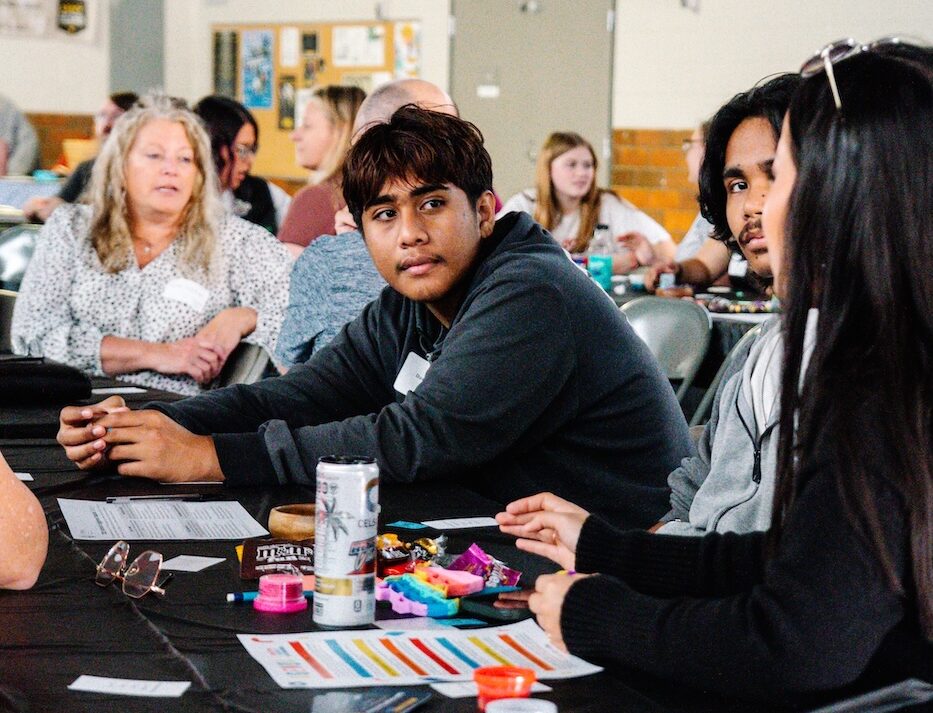
Young people in rural communities often face practical challenges in building careers and achieving financial independence. Obstacles include fewer local job opportunities, limited access to career education and skills training, and long distances to workplaces and services. Local organizations serving these communities often operate with minimal staff and resources across large geographic areas.
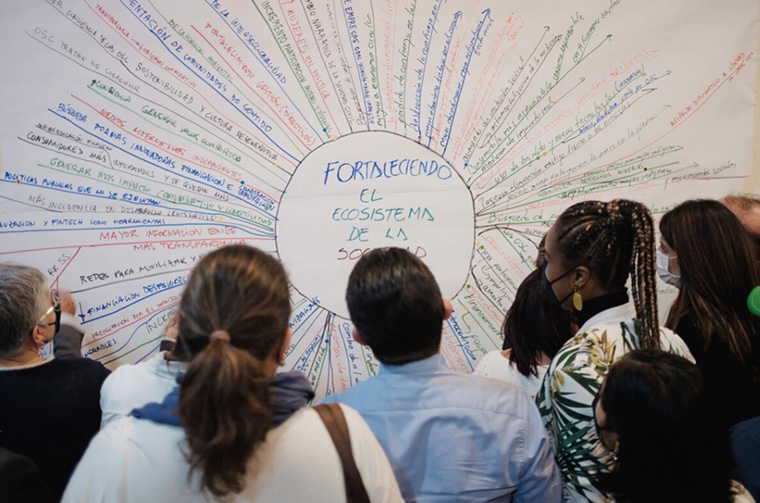
To expand pathways to — and preparedness for — gainful employment for rural youth, FHI 360’s Institute for Work and Learning (IWL) developed the Community Blueprint for Youth in Rural America, with support from the Walmart Foundation. This step-by-step playbook brings communities together to find actionable opportunities, gauge existing resources, and build partnerships. The result is a pathway to prosperity for their young people.
Five rural communities — Dickinson, ND; Rapid City, SD; Powell County, KY; Southeast Arkansas; and Iowa’s 8th Judicial District — have already put the Blueprint into practice and are seeing results.
“We’ve created a step-by-step guide to help rural communities support young people toward economic stability and employment.”
— Lisa Johnson, Senior Director, FHI 360 Institute of Work and Learning
Micro-internships connect youth with industry
In Rapid City, more than 30 community leaders and quickly moved forward with plans for programs that build youth job skills, workplace confidence, and financial literacy.
They partnered with Journey On, a local nonprofit focused on street outreach and youth mentorship, to establish and implement an “Earn and Learn” micro-internship program.
Prior to taking on interns, participating employers — from the hospitality industry, retail tech support and childcare businesses — attended a customized orientation. They learned about the challenges facing their youth, such as financial hardship and trauma, and how best to support them.
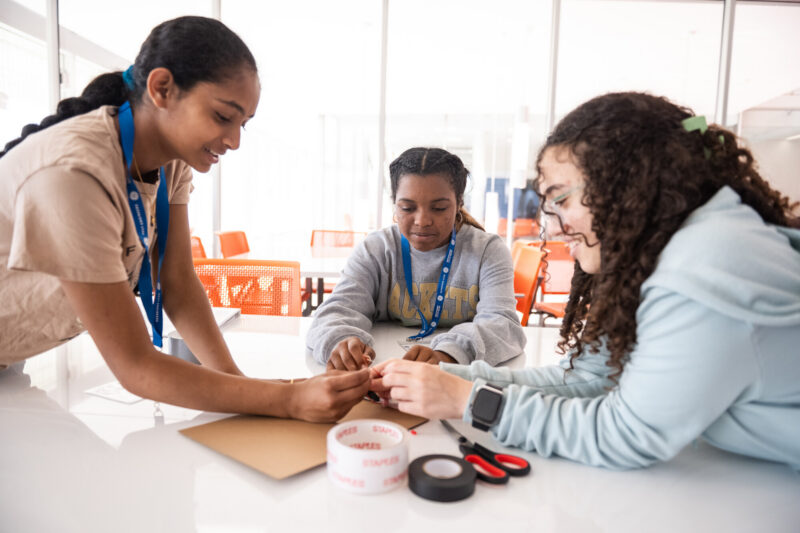
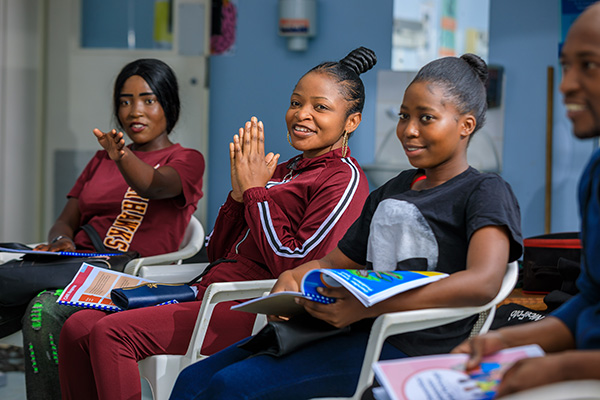
After being matched with host sites, the interns work for six to eight weeks, with regular goal-setting and coaching sessions. One participant reported that the internship broadened her skills and helped her “gain confidence and take responsibility and accountability for her actions.”
Another noted that his time was “a great learning experience” and that he had grown much more comfortable initiating conversations with others — an essential skill for professional and personal growth.
Supportive space for workforce preparedness
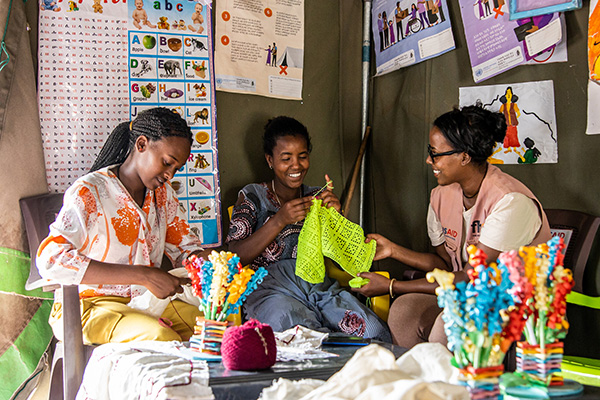
In Powell County, community members used the Blueprint to establish Pirates’ Cove, a youth engagement center named after the local high school mascot. They created a safe, supportive space where young people can build confidence and connections. Inside, there’s access to mentorship, coaching, career planning, and technology services, along with opportunities for recreation and exercise.
Since kickoff in January 2026, the Cove and its stakeholders have flourished.
“It provides a sense of connectedness to our community,” says a member of the high school’s student advisory council. “On top of helping others, the Pirates’ Cove allows individuals to reflect on themselves.”
Another student says it “brings all the youth together to impact each other in a positive way.”
Lisa Johnson, Senior Director of IWL, says the Blueprint’s guiding aim is to do exactly that: create physical and psychological space for opportunity and connection wherever it is needed.
“It’s a powerful process with an easy-to-follow approach that’s making a difference and spreading hope,” she says.
And it’s working.
Frequently Asked Questions
What is the Blueprint? Who uses it?
The Blueprint is a step-by-step guide to help rural communities support young people toward economic stability and employment. Five rural communities — Dickinson, ND, Rapid City, SD, Powell County, KY, Southeast Arkansas, and Iowa’s 8th Judicial District — have already put the Blueprint into practice.
How did the Blueprint work for Rapid City, ND?
More than 30 community leaders and members worked together to establish and implement an “Earn and Learn” micro-internship program. Prior to taking on interns, participating employers — representing hospitality, retail tech support, and childcare businesses — attended an orientation. After being matched with host sites, the interns worked for six to eight weeks, with regular goal-setting and coaching sessions.
How did the Blueprint work for Powell County, KY?
Community members established Pirates’ Cove, a youth engagement center named after the local high school mascot. It’s a safe, supportive space where young people can build confidence and connections; access mentorship, coaching, career planning, and technology services; and find opportunities for recreation and exercise.