










Nearly 80 million Americans have criminal records and face challenges to securing work and housing. For those who are formerly incarcerated, unemployment is nearly five times higher than for the general population. This limits long-term growth and productivity, costing the U.S. economy up to $87 billion each year.
Building second chances for people who have been involved with the justice system is smart policy. Research shows companies that hire second chancers see increased loyalty and reduced turnover. Eighty-five percent of human resources professionals say employees with criminal records perform the same as, or better than, those without records.
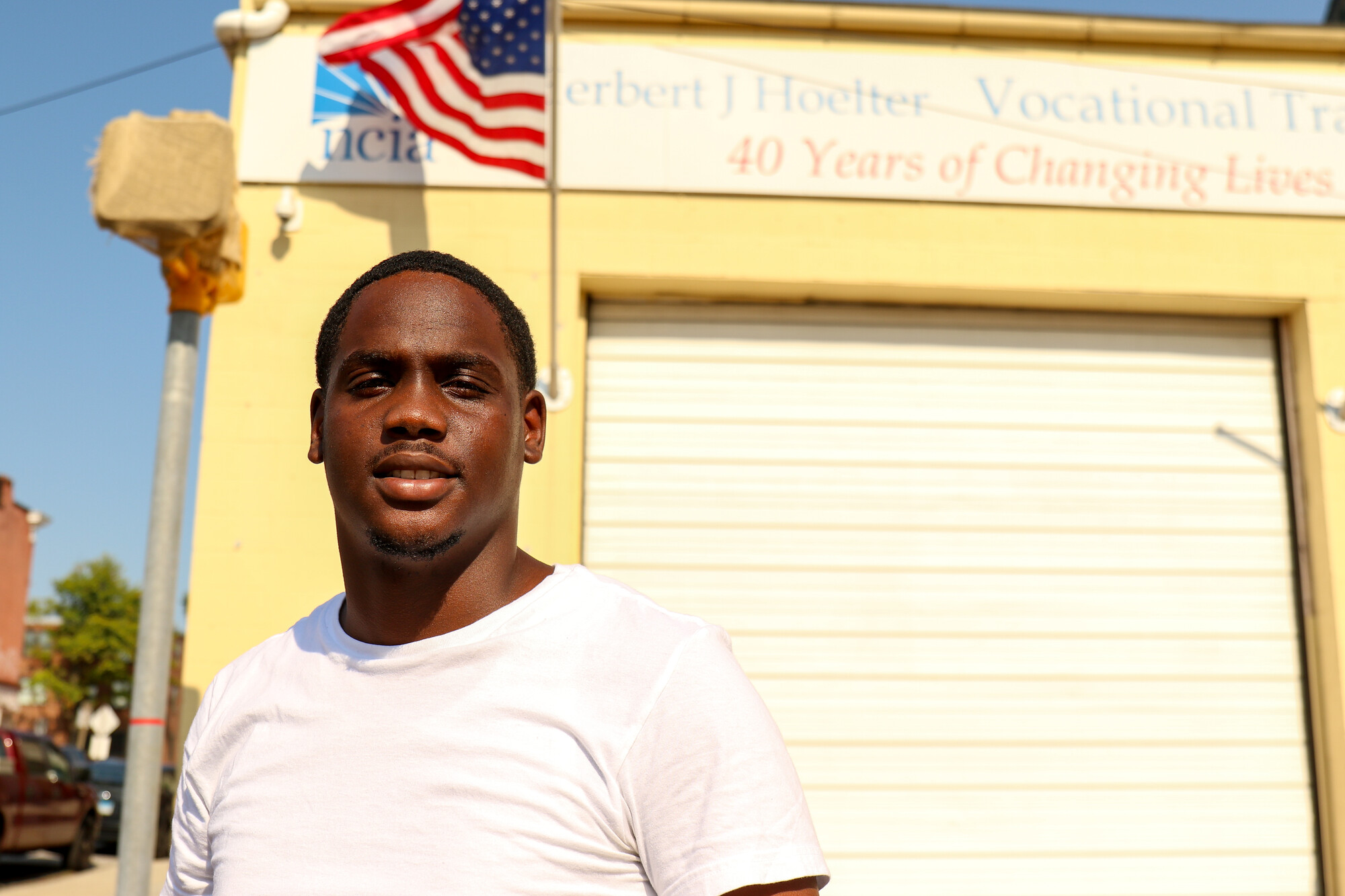
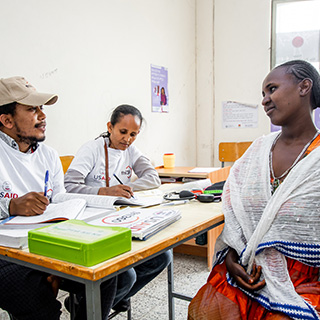
Reentry programs like Compass Rose Collaborative (CRC), led by FHI 360’s Institute for Work and Learning, support people reentering society with skills and resources to attain — and retain — employment. CRC brings together partner organizations to serve people ages 18 to 24 who have been impacted by the justice system. Participants build skills in conflict resolution and work readiness, helping them pursue credentialed education, skills training programs and fulfilling jobs.
When FHI 360 Workforce Project Manager Sean Brailsford was released from prison in 1991, he didn’t have the benefit of participating in a reentry program. In fact, there wasn’t anything like that available to him.
Here, Sean — who oversees CRC sites in Arkansas, Florida, Maryland, Texas and Washington, D.C. that collectively support over 400 participants — shares his experience with reentry and explains why employers should look to second chancers for their next hire.
FHI 360: You were impacted by the justice system as a young person. How did this experience affect how you approached reentry? What kind of support did you have?
Sean: I spent most of my teen life in and out of jail in New York City. When I was 19, I was arrested for a non-violent drug offense, and I was sentenced to nine years in Virginia’s state penitentiary.
At that time, I thought I was old because I was doing so much for so long and supporting myself. But I really wasn’t old. Being around older individuals who had hefty sentences helped me to start looking at my trajectory, the forks in the road where I made decisions that put me behind bars. I had an epiphany behind the walls, and I made it my business to say, “Hey, this is my last and final time. I still have a lot of life ahead of me.”
When I got out of prison, I didn’t know that [reentry programs] existed. The only thing parole wanted me to do was not get arrested.
I was released in June and in September, I started college. I was proactive in transforming myself at a time when there weren’t many programs or resources to support people coming out of prison. I had to be creative on my own — rely on my resources, my family, and the people I knew. Having that support has allowed me to have a successful career in human/social services for the past 30 plus years.
What are the economic benefits of reentry programs like Compass Rose?
The employment element is such a big piece of Compass Rose. For many who commit crime, typically the bottom line is that it’s monetary. It’s key to show young people that there are different things that you can do legitimately to earn decent money.
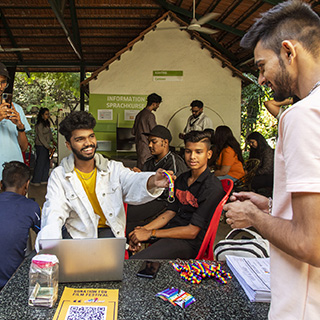
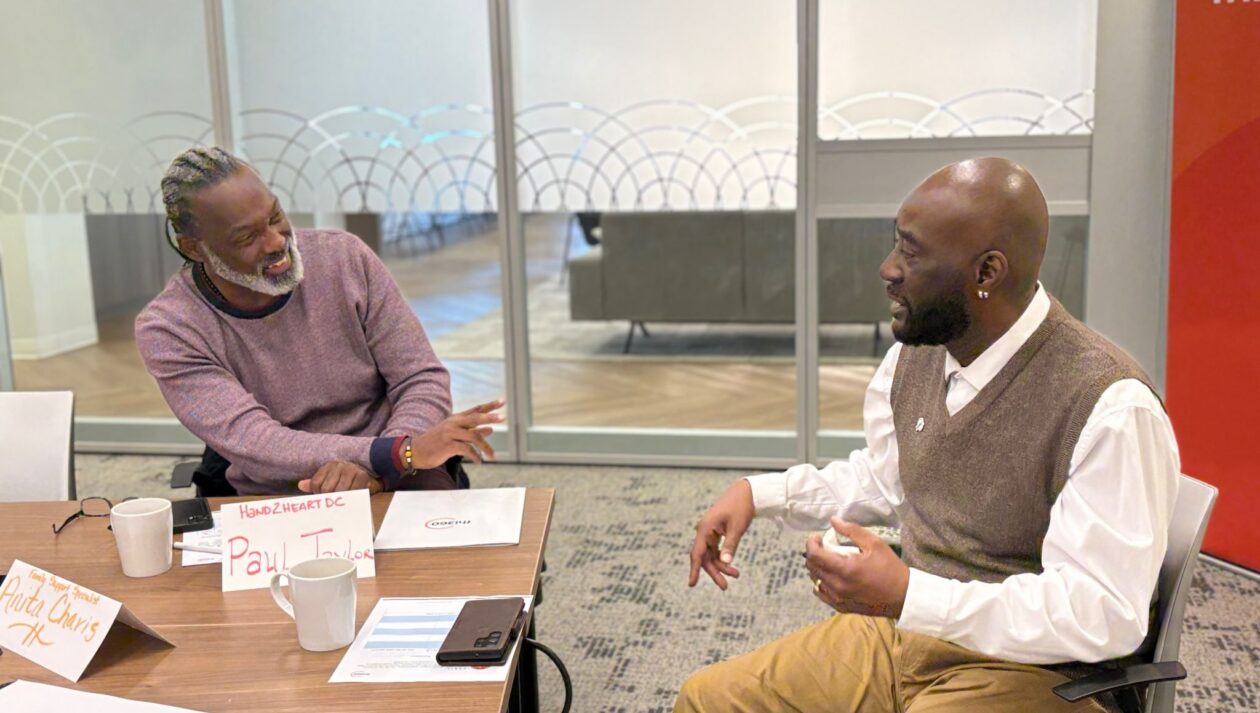
Compass Rose participants earn stipends for work experience, and we support our partners to teach them about community banking and financial literacy. For example, our partner Hand 2 Heart in D.C. has developed a financial literacy app on their website with three modules. It provides a walkthrough for students who may need a refresher after completing their program or to gain more knowledge in finances.
On a community level, the program reduces recidivism, keeping young people from doing anything negative because their time is occupied with work. CRC participants have a recidivism rate of less than 2%, far below the national average. We help participants attain industry-recognized credentials in areas like construction, electrical, HVAC and automobile maintenance, creating workers in in-demand fields.
Employers benefit because they can have participants work for them and the program pays the participants, not the employer. So, the employer gets to see how an individual works. They can determine if the individual is someone they may want to hire. More times than not, individuals are hired after completing that work experience component.
What advice would you give to young people who have been impacted by the justice system?
I want young people to understand that you are not your worst decision. I want to encourage them to have hope. That’s a big thing with young people who are formerly incarcerated. You must have hope and the belief to see the vision that’s ahead of you and really believe in it. To do that, you must have a strong support system for those days when you may be feeling down, and you need someone to talk to and boost your courage to move forward. This is where mentorship plays a big role.
Supporting young people goes beyond guidance. When you give people the tools they need to be successful, and you accept them back into their communities, they become driving members of society.
Sources cited:
- The Challenge of Finding a Job After Prison (Vera)
- Breaking through Barriers: A Modern-Day Guide to Second-Chance Hiring (Forbes)
- Why It Matters (Second Chance Business Coalition)
Compass Rose Collaborative is supported by the Employment and Training Administration of the Department of Labor as part of an award totaling $5.1 million with 0% financed from non-governmental sources.