


Skip to content
FHI 360
  • Languages
  • Low bandwidth
  • High bandwidth
  • Search
  • Who we are
        • Who we are
          • About us
          • Leadership
          • Ethics and safeguarding
          • Impact and financial reports
          • Contact us
        • About us

          Impact and financial reports

  • What we do
        • What we do
          • Economic opportunity
          • Health


        • How we do it
          • Research in action
          • Humanitarian response
          • Digital innovation and AI
        • Explore our expertise
        • Economic opportunity

          Health

  • Where we work
        • Where we work
          • Asia Pacific
          • Central Africa
          • East Africa
          • West Africa
          • Southern Africa
          • Middle East and North Africa
          • Europe and Central Asia
          • Latin America and the Caribbean
          • United States
        • Around the world

          In the United States

  • Work with us
        • Work with us
          • Join our team
          • Local partners
          • Government and multilateral funders
          • Foundations and corporations
          • Academic and research partners
          • Small businesses and vendors
          • CEO position specification
        • Join our team

          Local partners

          Government and multilateral funders

          Foundations and corporations

          Academic and research partners

          Small businesses and vendors

  • News
        • News
          • Newsroom
        • Get the latest news
        • Newsroom

  • Stories
        • Stories & blog
          • Stories
          • Videos (YouTube)
          • Blog
        • Explore our storytelling
        • Our storytelling

          Blog

  • Resources
        • Resources
          • Resource library
        • Resource library

Home | News | FHI 360 conducting trial for Casea S, a biodegradable contraceptive implant
February 20, 2024

FHI 360 conducting trial for Casea S, a biodegradable contraceptive implant

It's the first trial for this type of implant in more than 20 years, with hopes of improving access to contraception globally

WASHINGTON D.C. — FHI 360 is leading a Phase I clinical trial of the biodegradable contraceptive implant Casea S in the Dominican Republic. Casea S is designed to release a synthetic hormone (the progestin etonogestrel, which is used in existing contraceptive implants) to prevent pregnancy for 18 to 24 months before dissolving, eliminating the need for removal by a health care provider.

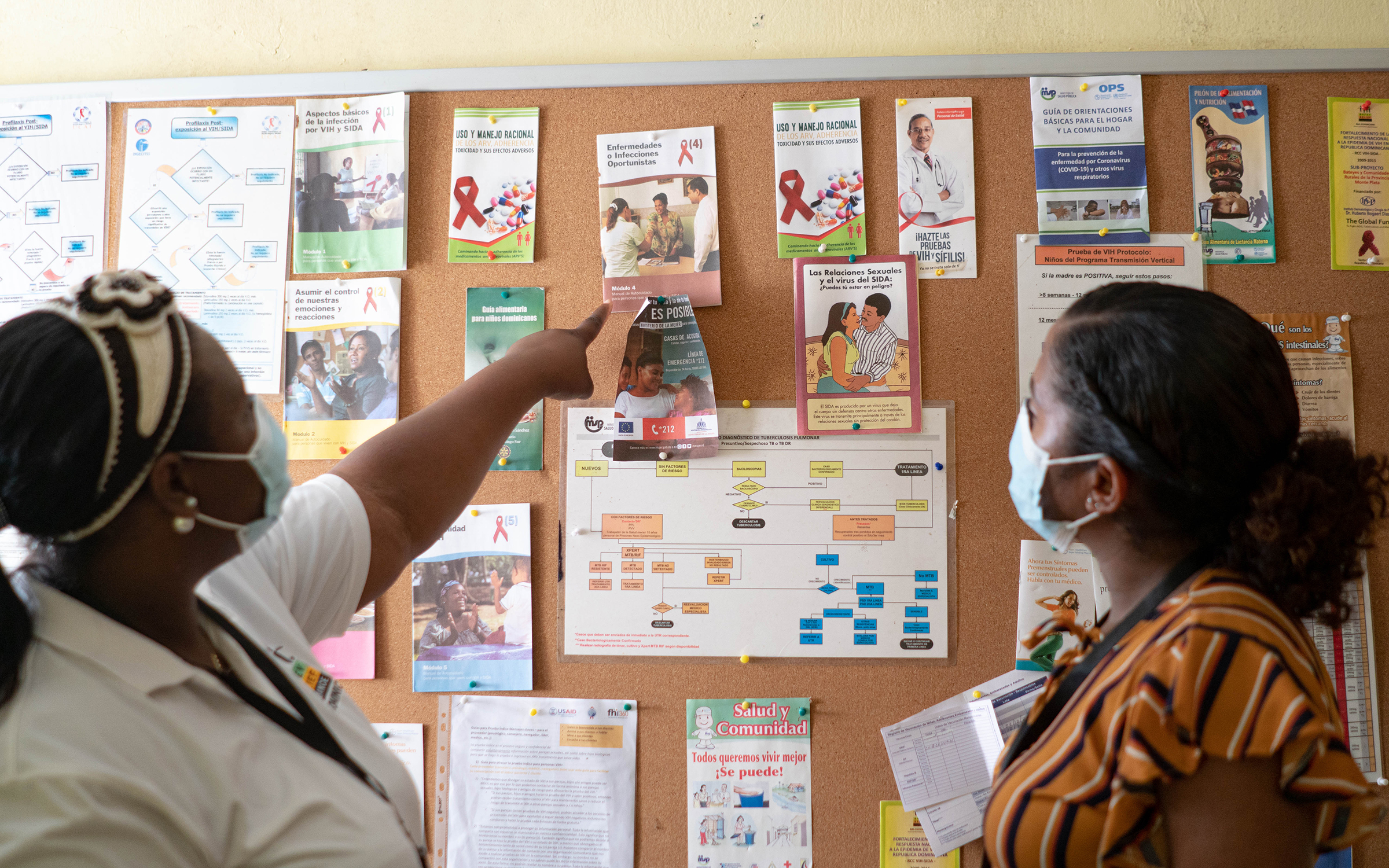
The trial — the first for a biodegradable contraceptive implant in more than 20 years — will evaluate the amount of etonogestrel in participants’ blood, as well as the implant’s removability, safety and tolerability. Based at the Biomedical Research Unit of Profamilia, a nongovernmental organization in Santo Domingo, Dominican Republic, it plans to enroll about 30 women ages 18 to 45 who will have the 6-millimeter implant inserted into the upper part of their nondominant arms.

“No one form of contraception will work for everyone, everywhere, at every stage of life,” says Dr. Kavita Nanda, a director of medical research at FHI 360 and principal investigator of the Casea S study. “Improving contraceptive access requires diversifying the variety of available methods. We believe that Casea S can offer a new and exciting contraceptive option and fill a gap in the contraceptive method mix.”

Contraceptive implants that are currently available are highly effective, safe and increasingly popular. But after three to five years, they must be removed, a process requiring trained providers and medical resources. Access to these procedures may be challenging, particularly in low- and middle-income countries — where strained infrastructure, limited supplies, long distances to providers, and prolonged wait times for appointments can create barriers — and in any setting where people face obstacles to care.

“A biodegradable implant, such as Casea S, can boost access and convenience by reducing the need for repeat visits to health facilities and simultaneously lessen costs and other burdens to individuals and health care systems alike,” says Nanda.

An estimated 218 million women of reproductive age living in low- and middle-income countries do not want to become pregnant but do not use effective contraceptive methods. For some, access to contraception is limited; for others, available methods are not acceptable or affordable.

Casea S was partly developed under FHI 360’s Contraceptive Technology Innovation Initiative in partnership with pH Sciences and GeSea Biosciences.


About FHI 360

FHI 360 mobilizes research, resources and relationships so people everywhere have access to the opportunities they need to lead full and healthy lives. With collaborations in more than 60 countries, we work directly with local leaders to improve health and well-being, respond to humanitarian crises, and strengthen community resilience. We share data-driven insights and scalable tools that help communities effectively address complex challenges, respond to shocks and achieve thriving futures.

Note for editors: Casea S is pronounced “cuh-SEE-uh ess”

Share news
Back to top

On this page

FHI 360

We are a nonprofit organization that mobilizes research, resources and relationships so that people everywhere can access the opportunities they need to lead full, healthy lives.

  • Partner with us
  • Business opportunities
  • Contract mechanisms
  • Small business
  • Our FHI 360 network
  • Events
  • Employee access
  • Contact us
  • Press
  • Privacy notice
  • Ethics and safeguarding

FHI 360 Headquarters
359 Blackwell Street, Suite 200
Durham, NC 27701 USA
1.919.544.7040

Washington, D.C., Office
2101 L St NW, Suite 700
Washington, DC 20037 USA
1.202.884.8000

Anti-trafficking statement

Connect

Sign up for our mailing list and receive the latest updates from FHI 360 straight to your inbox!

  • LinkedIn
  • Facebook
  • X
  • Youtube
  • Instagram

FHI 360 is the registered trade name of Family Health International.

©2026 FHI 360

We are using cookies to give you the best experience on our website.

You can find out more about which cookies we are using or switch them off in .

FHI 360
Powered by  GDPR Cookie Compliance
Privacy overview

This website uses cookies so that we can provide you with the best user experience possible. Cookie information is stored in your browser and performs functions such as recognising you when you return to our website and helping our team to understand which sections of the website you find most interesting and useful.

Essential cookies

Essential cookies should be enabled at all times so that we can save your preferences for cookie settings. However, they can be enabled or disabled using the button below.

Non-essential cookies

This website uses Google Analytics to collect anonymous information such as the number of visitors to the site, and the most popular pages.

Keeping this cookie enabled helps us to improve our website.