



Working with communities, governments, and partners to strengthen preparedness and response
In an Ebola outbreak, speed, trust and teamwork are essential to curbing the spread and saving lives. FHI 360 is contributing to the U.S. government’s comprehensive and rapid Ebola response, in partnership with the governments of the Democratic Republic of the Congo (DRC), Uganda, and other countries in the region.
Through the U.S. government-funded STRIDES and EpiC projects, our teams are helping local leaders and organizations, health workers, and response partners to:
- Expand laboratory and diagnostic capacity.
- Strengthen surveillance and contact tracing.
- Support infection prevention and control.
- Implement safe and dignified burial practices.
- Rapidly reach communities with trusted information.
Table of contents
- Working with communities to stop Ebola transmission & strengthen outbreak response
- Ebola response in the DRC
- How FHI 360 is responding
- Expanding laboratory and diagnostic capacity
- Strengthening surveillance and contact tracing
- Supporting infection prevention and control
- Supporting safe and dignified burials
Ebola response in the DRC and the region
The Bundibugyo virus disease (BVD) outbreak continues to affect communities across DRC and other countries in the region. Thanks to support from the U.S. government, FHI 360’s STRIDES and EpiC projects are supporting the response through integrated, country-led activities designed to help stop transmission and strengthen public health systems where the needs are greatest.
How FHI 360 is responding
Expanding laboratory and diagnostic capacity
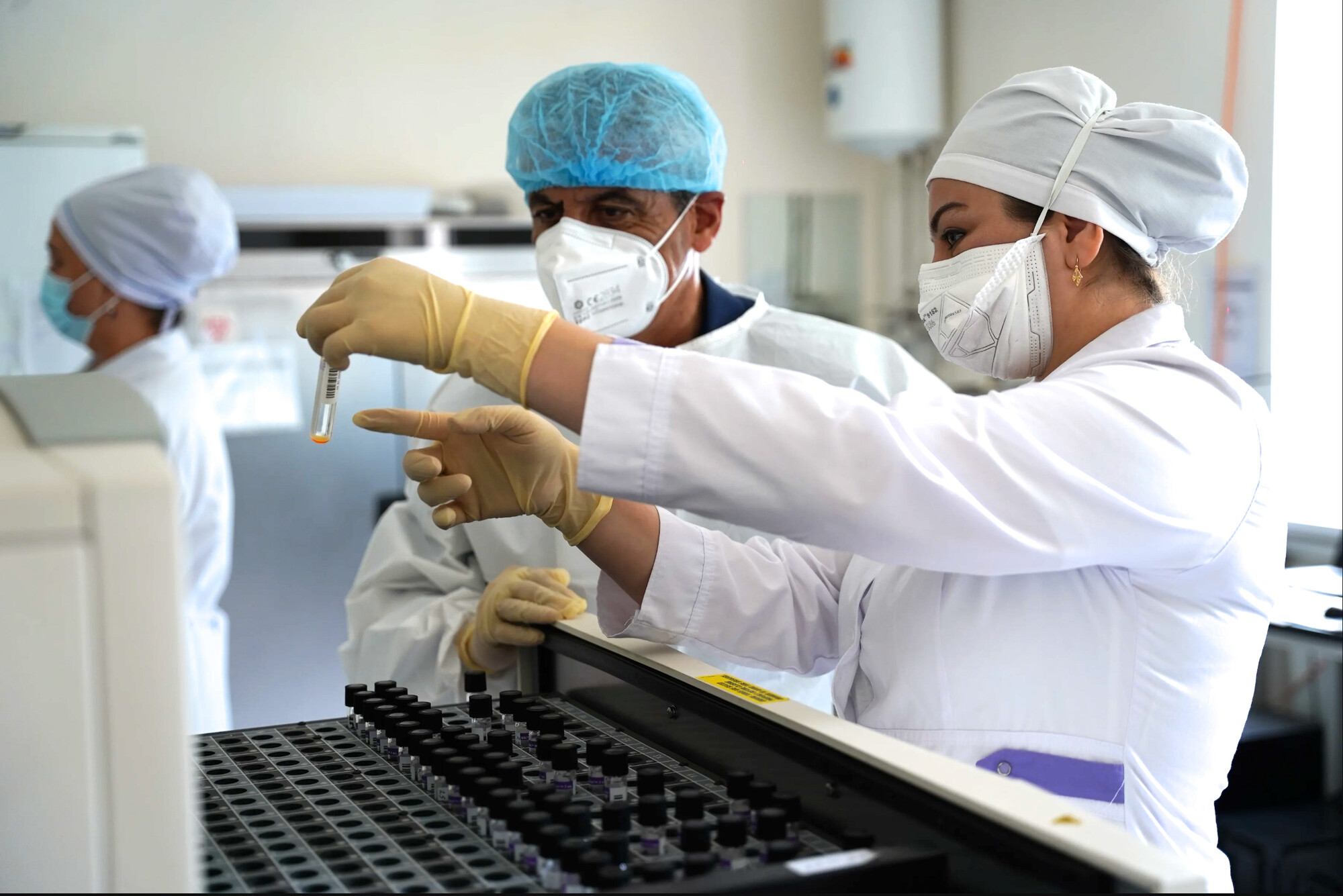
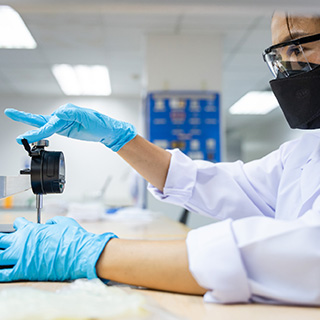
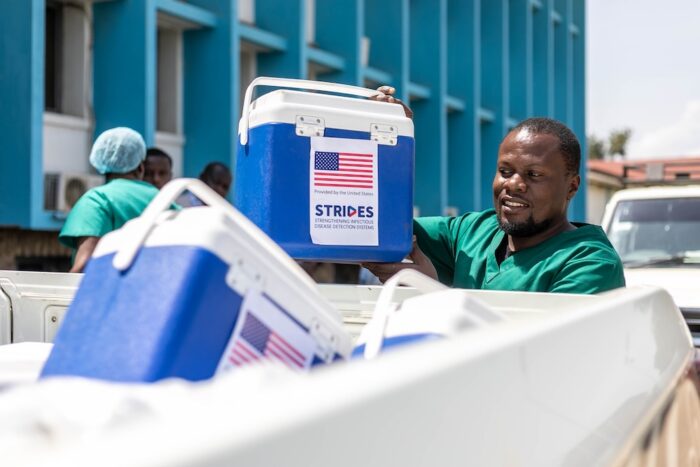
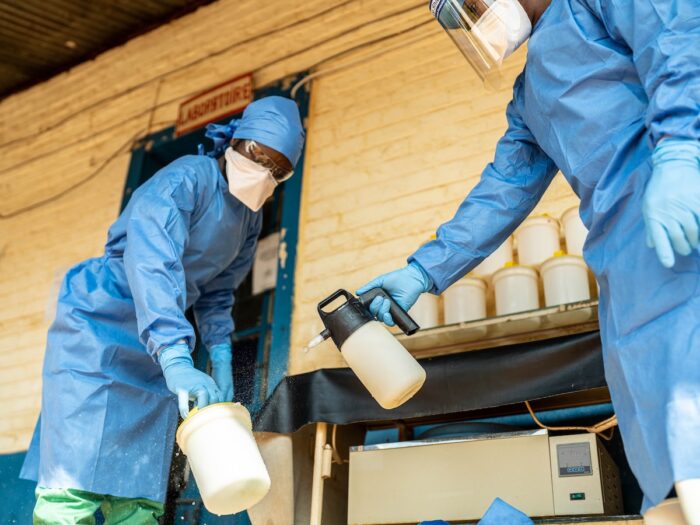
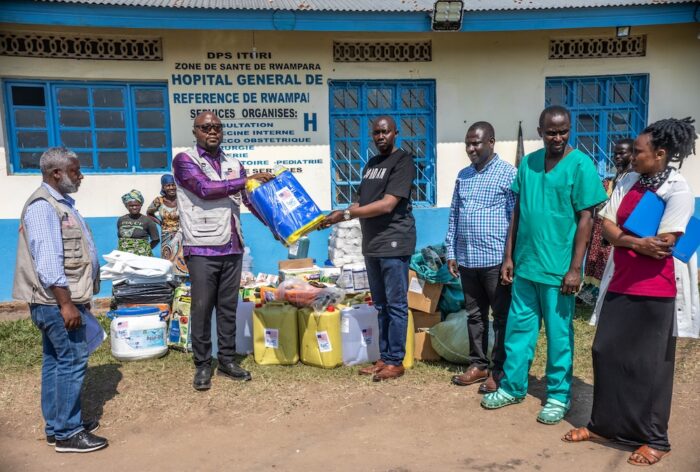
Fast, reliable testing is essential to identifying cases, caring for patients and reducing transmission. STRIDES is expanding decentralized Ebola diagnostics, strengthening laboratory systems, and improving specimen referral and transport in affected areas. Support includes providing fuel and transportation to move samples quickly to labs, delivering laboratory commodities and PPE, setting up handwashing stations, and delivering training for lab, frontline and health workers to support safe sample collection, handling, packaging and transport.
Strengthening surveillance and contact tracing
STRIDES, through our partner PATH, helps countries respond to Ebola outbreaks by strengthening surveillance systems, supporting rapid detection and follow-up of cases, and improving the quality and use of data for response planning. These efforts enable health authorities to identify risks earlier, target interventions more effectively, and make informed decisions that help stop transmission and save lives.
Supporting infection prevention and control
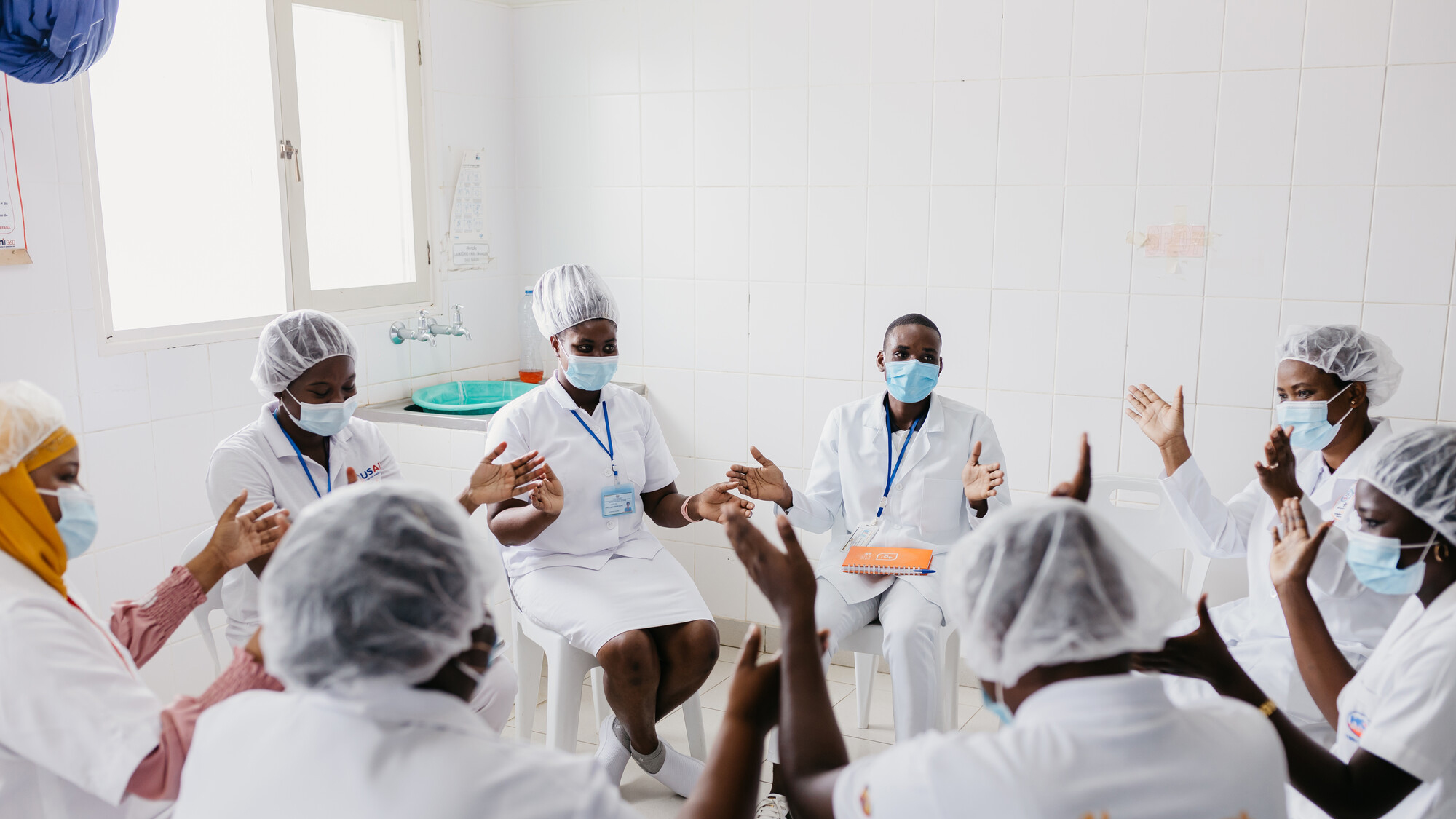
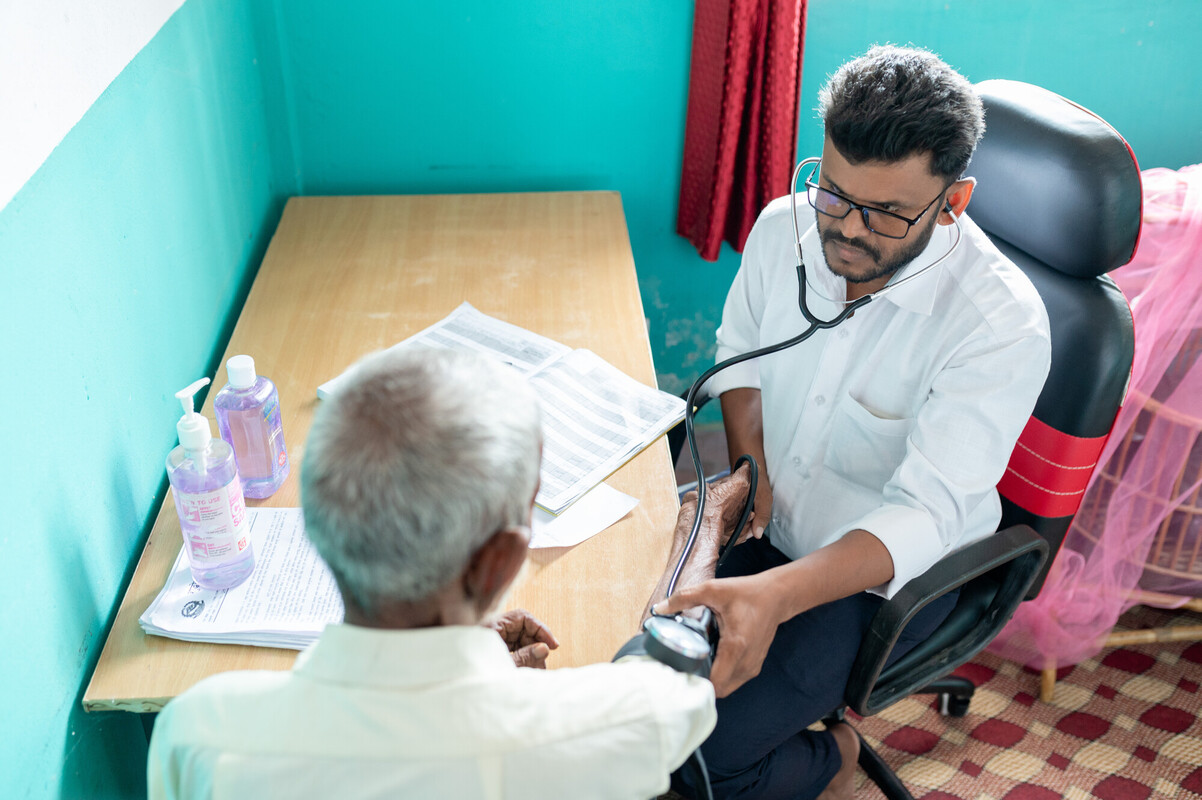
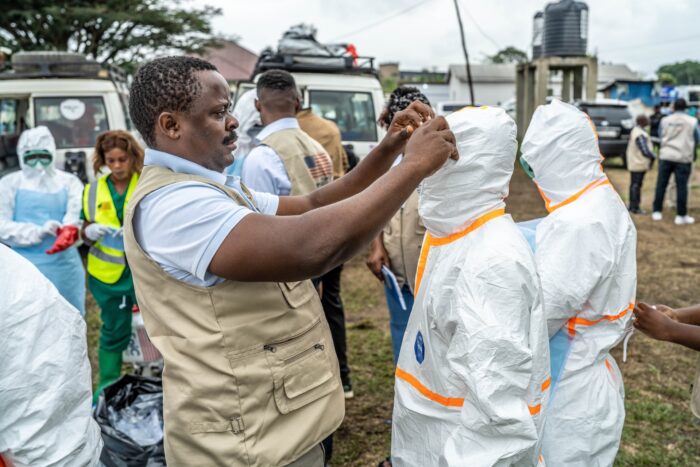
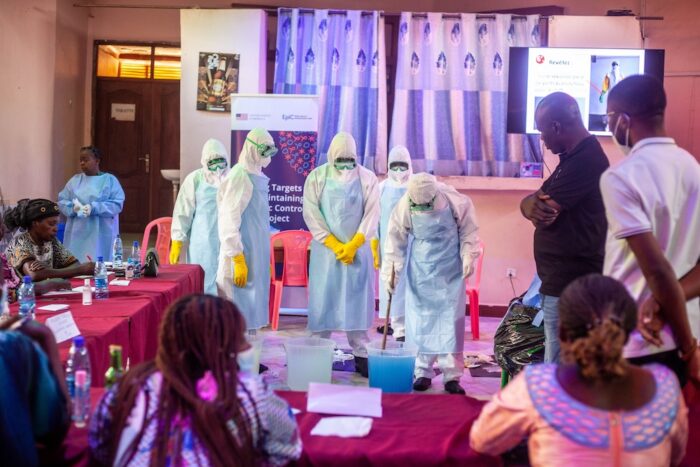
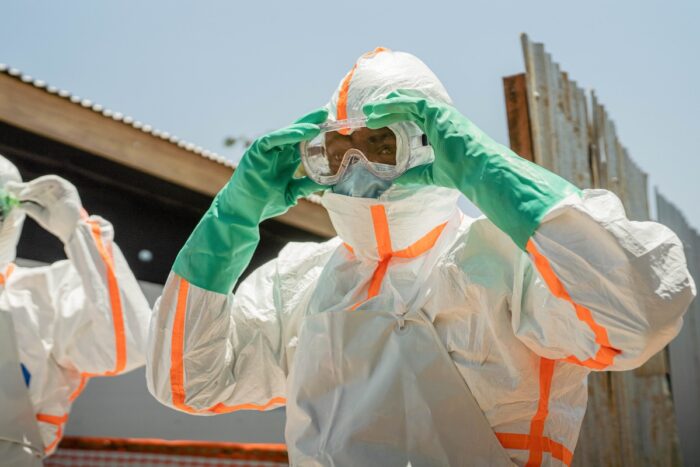
Health and frontline workers are often among the first people exposed during an Ebola outbreak. STRIDES and EpiC support infection prevention and control activities in households, health facilities and administrative offices by training health workers, lab staff, infection prevention and control staff, and response personnel on PPE use, waste management, biosafety and biosecurity, hand hygiene, chlorine preparation, environmental cleaning and surface disinfection.
Supporting safe and dignified burials
Safe and dignified burials are one of the most important ways to reduce Ebola transmission while respecting families, communities, and local traditions. EpiC is helping expand safe burial capacity by training teams, supporting transportation, providing supplies, and strengthening coordination.
Reaching communities with trusted information
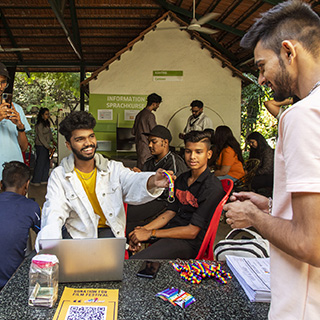
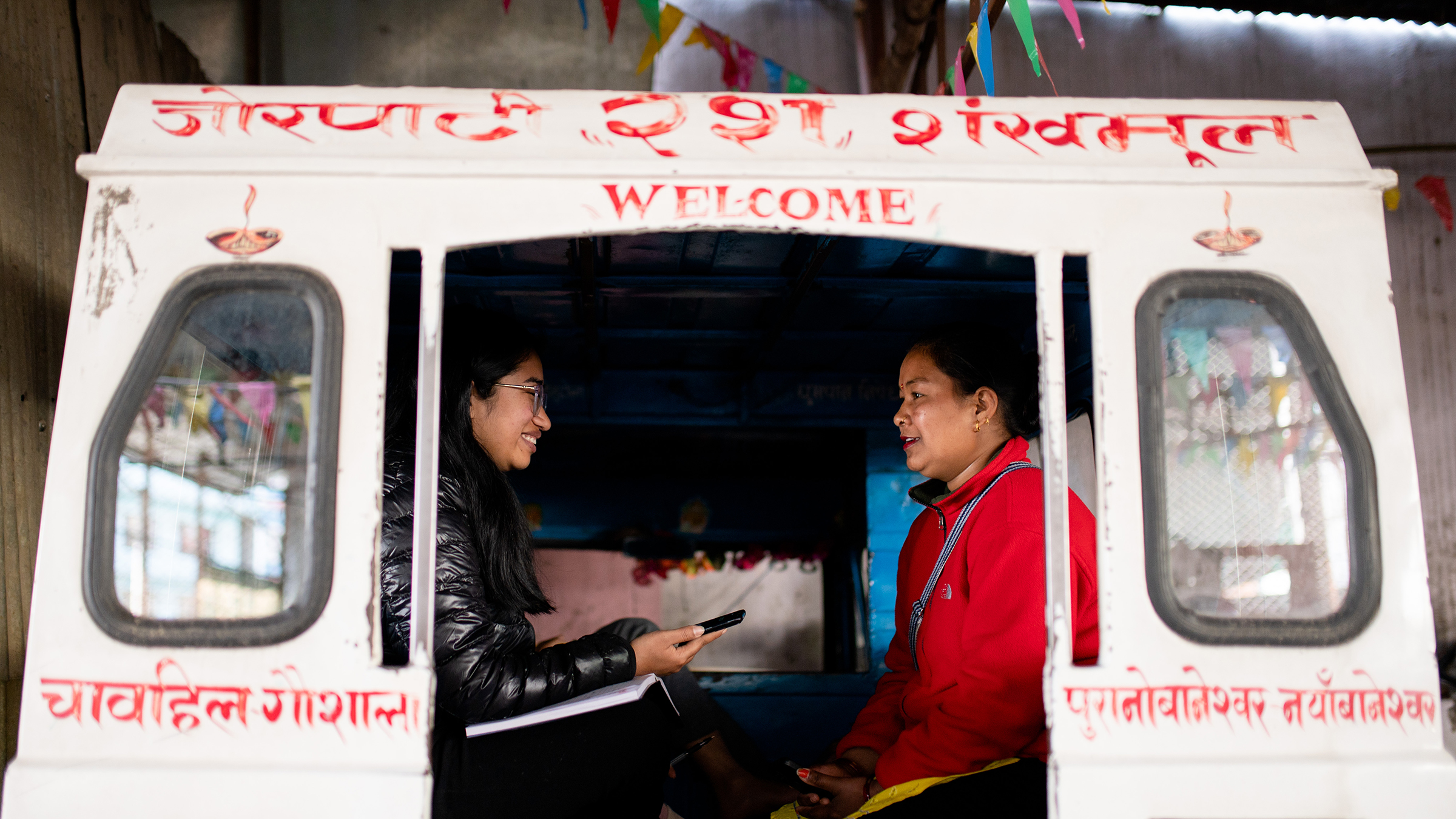
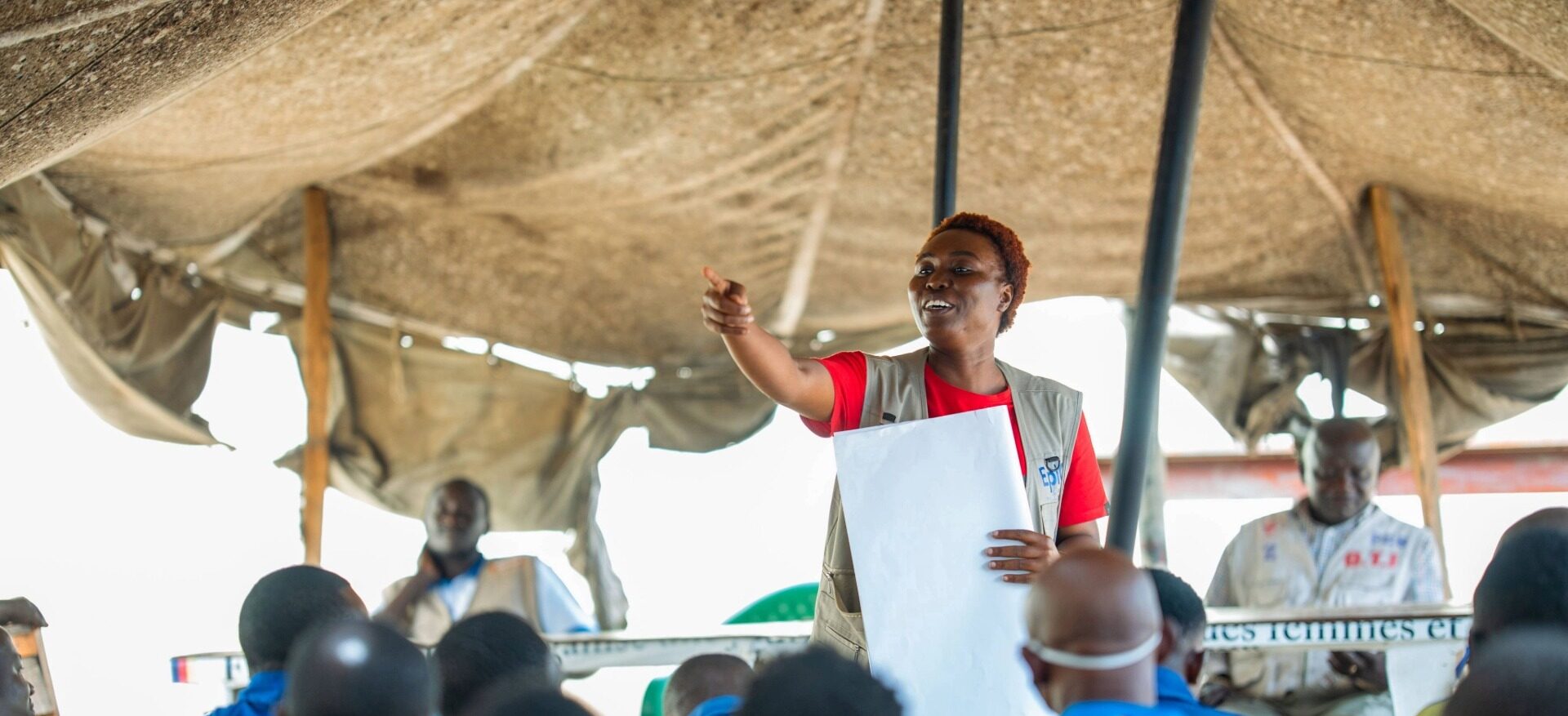
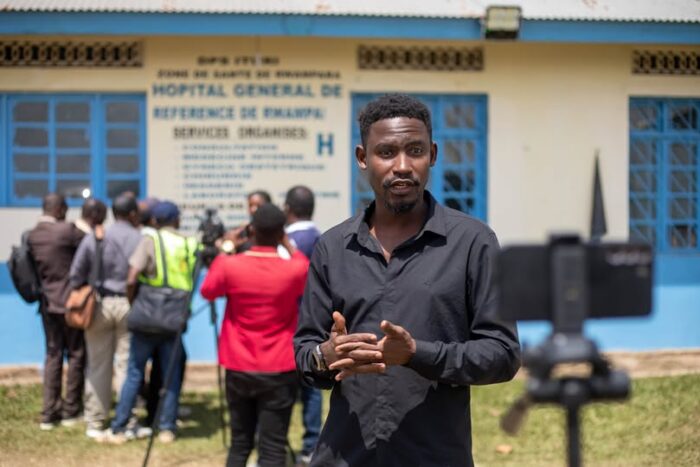
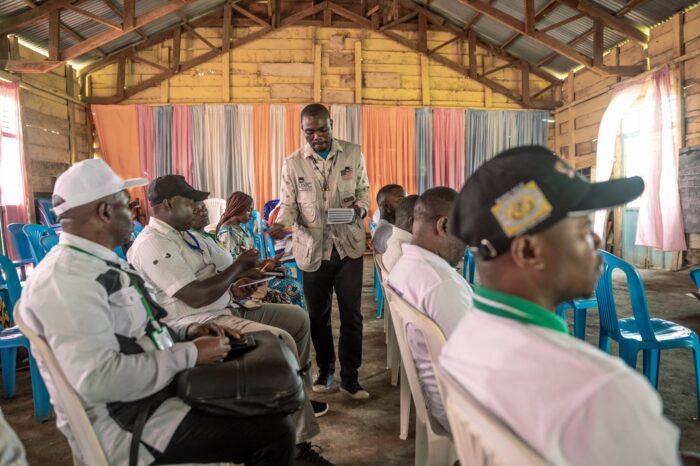
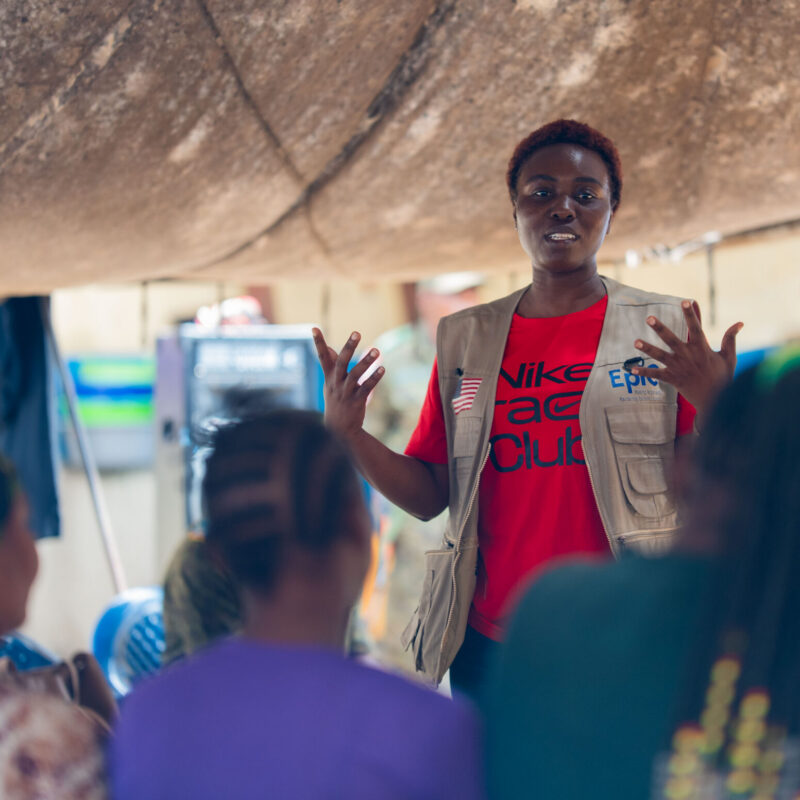
During an outbreak, communities need clear information from people they trust. Through risk communication and community engagement, EpiC supports local leaders, women’s associations, journalists, traditional healers, parent associations and community members with the tools they need to rapidly share information, respond to rumors and help people seek care. We are supporting local radio spots in French and Swahili to share Ebola information.
Where we are working
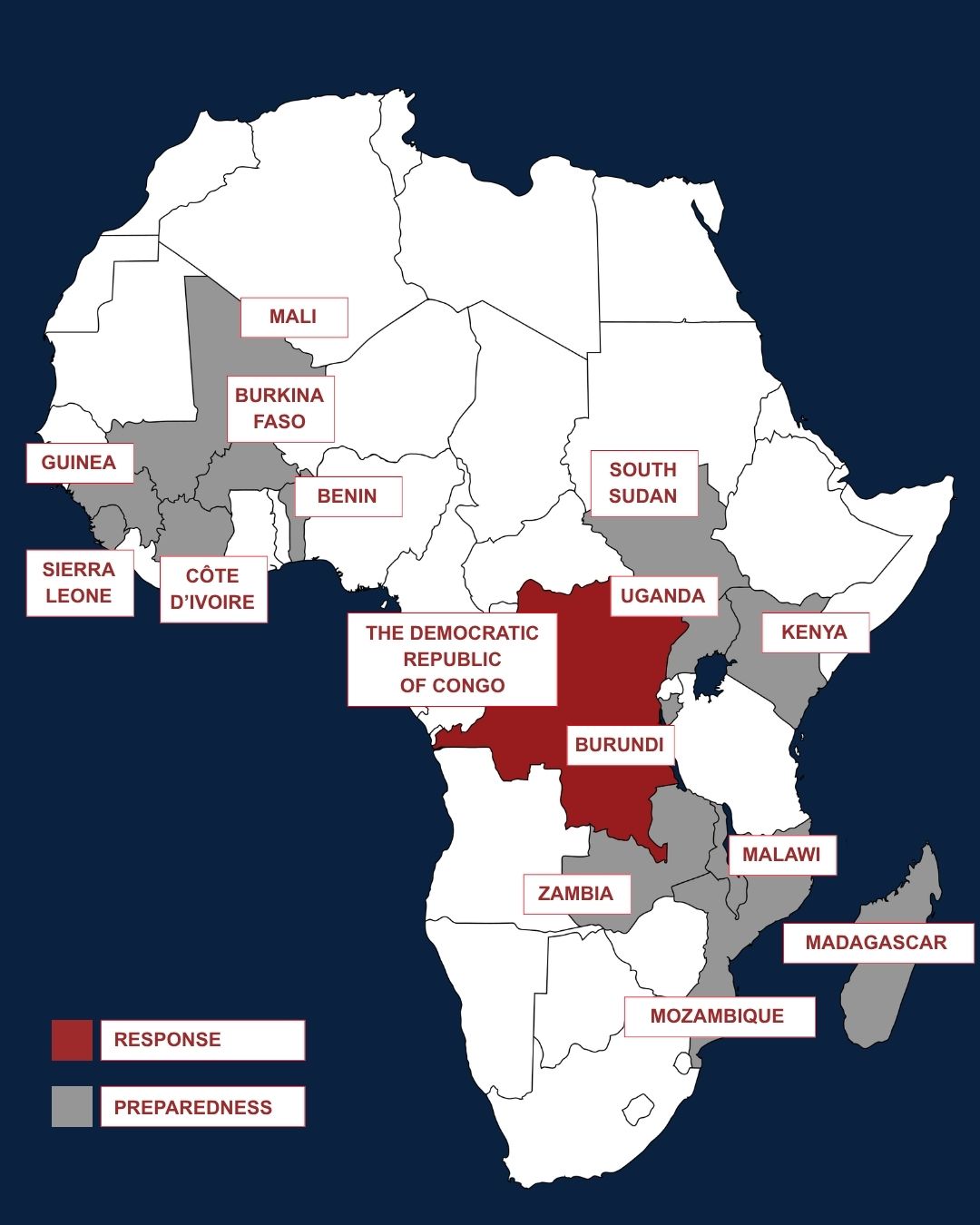
STRIDES and EpiC are supporting the Ebola response in the Democratic Republic of the Congo and preparedness and response efforts across the region.
Photos from the frontlines of the response
Building stronger systems for the next outbreak
STRIDES and EpiC are supporting countries globally to prepare for an Ebola outbreak before it happens. Our support — to countries including Kenya, Malawi, Senegal and Zambia — helps assess strengths and needs of the health, laboratory and frontline response systems and fill gaps. We are also prepositioning Ebola-response supplies such as PPE and testing kits. Finally, we are supporting surveillance networks to ensure the outbreak is stopped at the source.
Emergency response is not only about the crisis at hand. It is also about strengthening systems that last. By supporting laboratories, surveillance networks, trained health workers, community engagement systems and coordinated response structures, FHI 360 helps countries prepare for future outbreaks and respond more quickly when they occur.
FHI 360’s rapid response to the Ebola virus in the DRC
Contact us
For partnership opportunities, email partneringwithus@fhi360.org.
For media inquiries, email media@fhi360.org.