
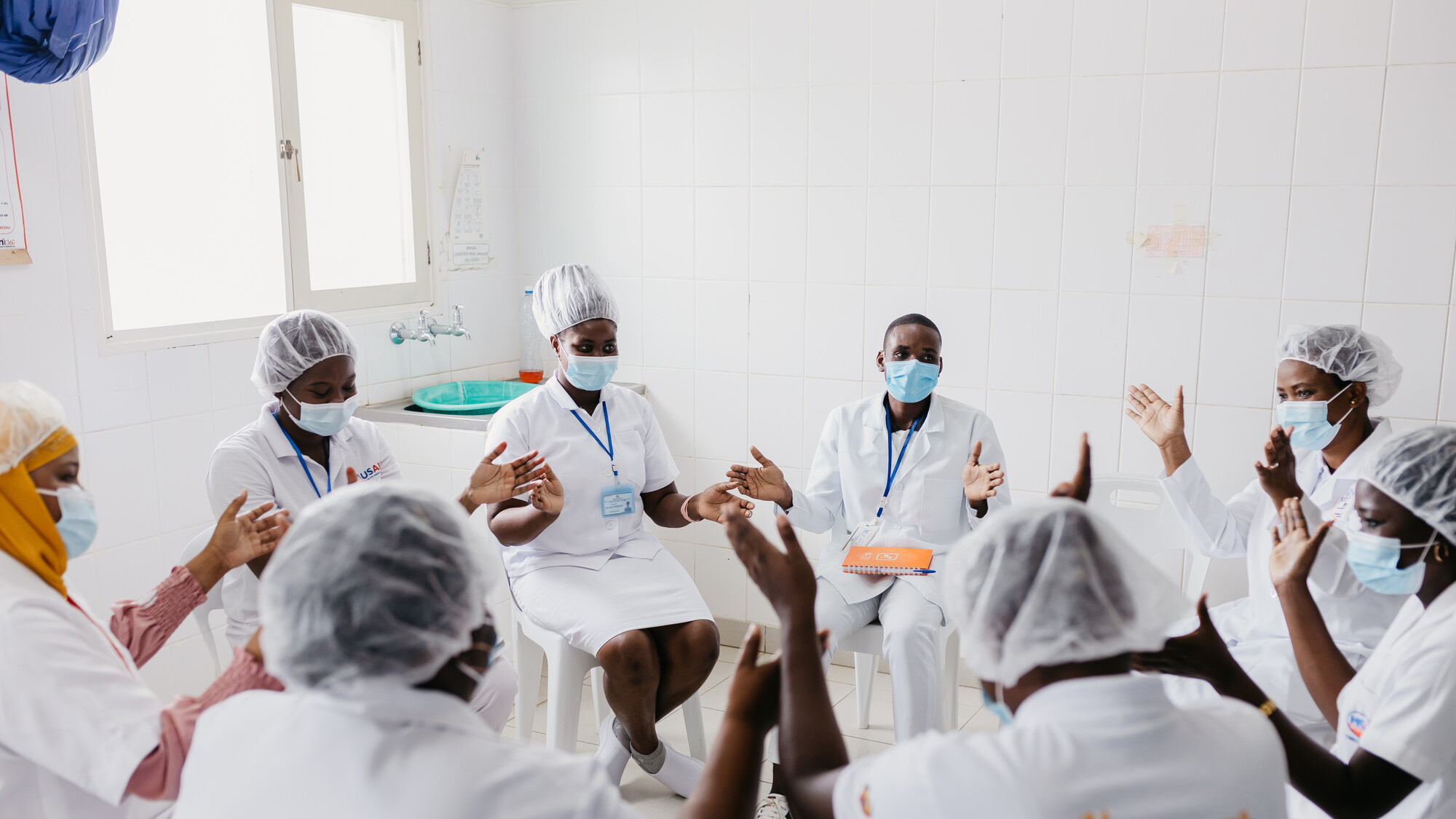
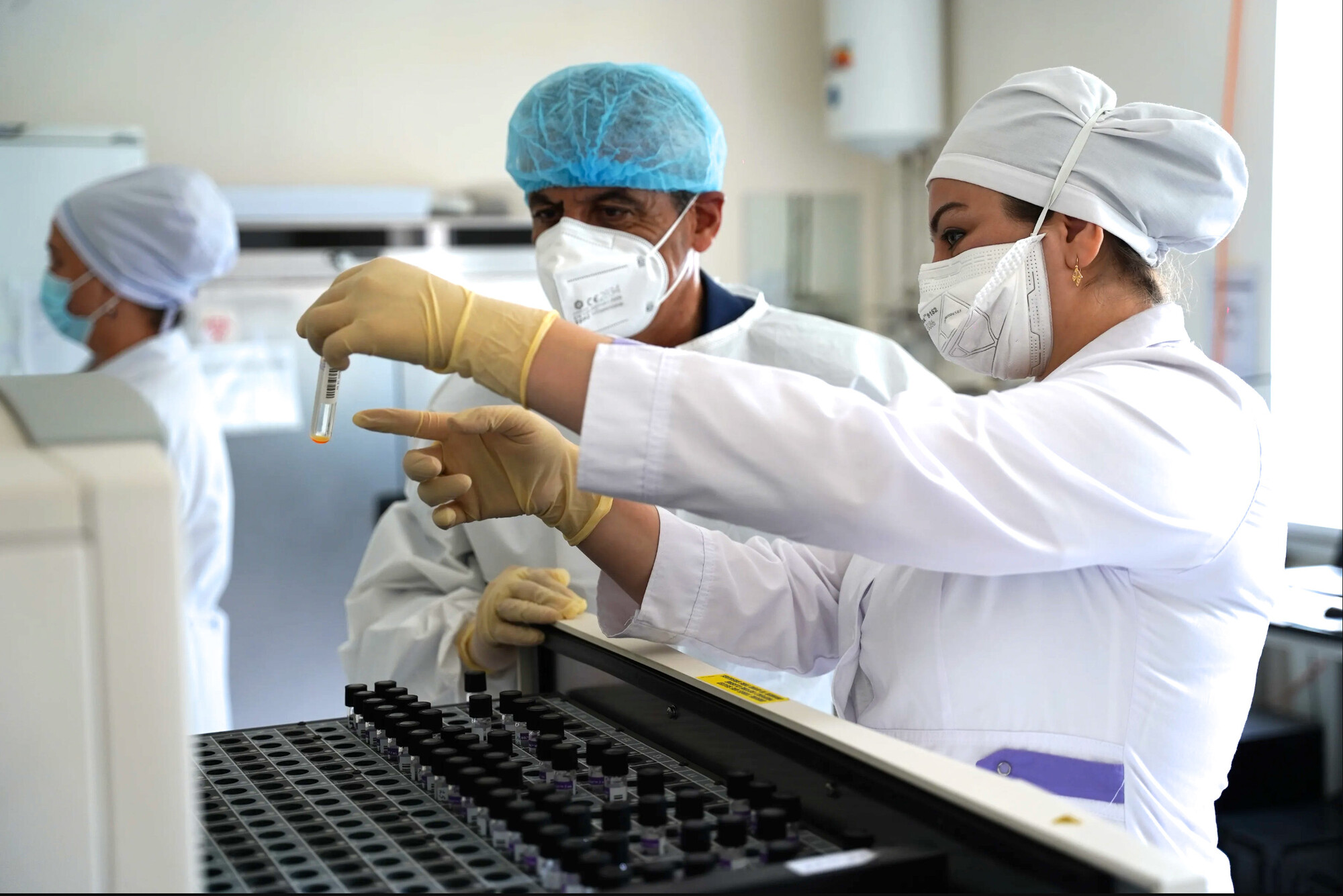
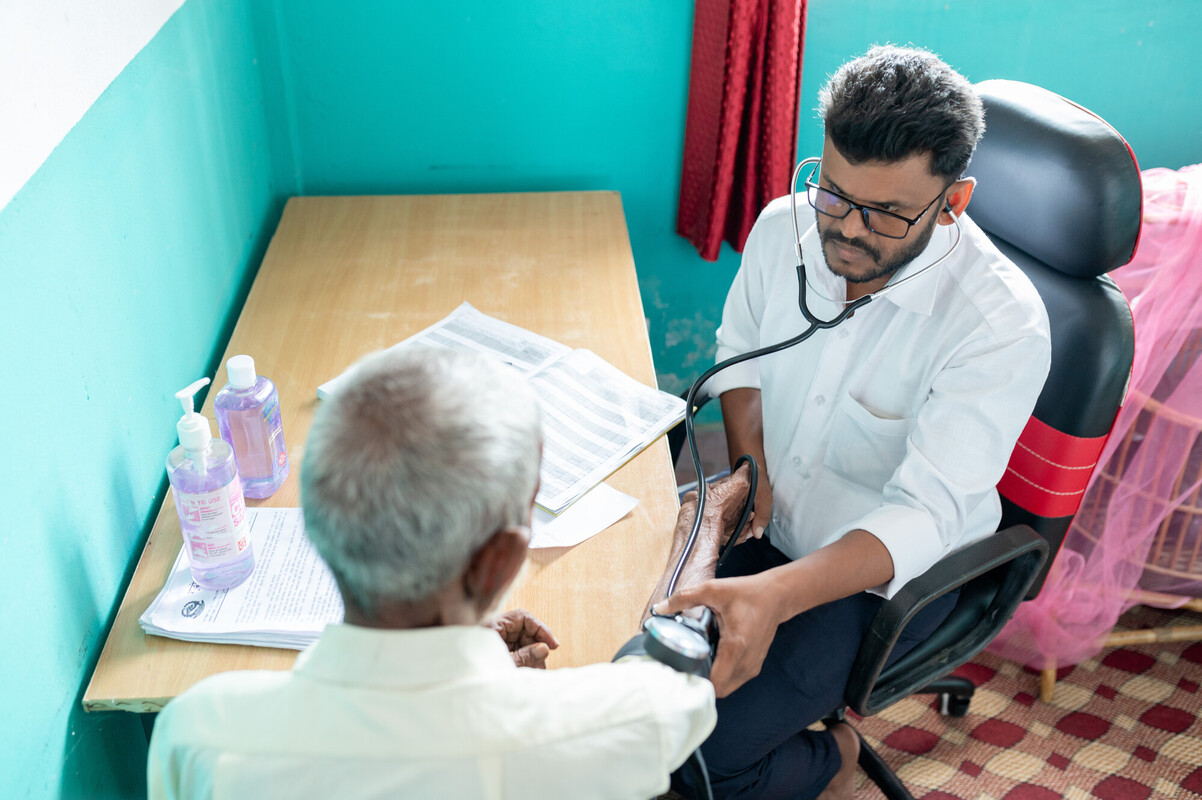

Since 2009, nearly 24.5 million people living in northeast Nigeria have been directly or indirectly affected by the Boko Haram conflict. Northeast Nigeria has more than two million internally displaced persons, with 1.4 million residing in Borno State alone. FHI 360’s Integrated Humanitarian Assistance to Northeast Nigeria (IHANN) project delivers primary and reproductive health care; gender-based violence protection; nutrition; and water, sanitation and hygiene interventions to meet the most immediate needs of this population.
When IHANN teams began work in 2017, health and medical supplies were not always available. Yves Kavanagh, Associate Director of Operations and Logistics for FHI 360’S West Africa and Middle East Regional Office, discusses the critical importance of logistics to an effective crisis response program.
What was the major difficulty you encountered in working in Borno State?
Supply chain. In a location where conflict disrupts daily life, there is little certainty for ground transport for any commodities — from medicines to consumables to water and food. We rely on security escorts to ensure safe passage and to move goods, often facing delays or cancellations. It’s especially challenging that we aren’t allowed to pre-position critical items, like pharmaceuticals, in the field because it makes our warehouses targets for theft.
How has the team responded to this difficulty?
We are constantly working to build the capacity of our field teams to give us regular and accurate stock updates and requests. We don’t wait until our supplies are depleted before sending replenishments. Field teams make requests with a two-week buffer now, allowing for potential delays from security, weather or other factors.
What are some challenges and what have you seen change?
Finding qualified vendors who meet FHI 360 requirements has been very difficult. Our goal is to support local markets by buying from Maiduguri in Borno State instead of Abuja, Nigeria’s capital. This makes it quicker to get supplies. We made it an objective to build the capacity of our vendors. Over time, we have seen improvements — they respond faster to our requests, adhere more to terms and conditions, and provide more accurate documentation.
What lessons have we learned from this process?
First, preplanning is vital. To properly resupply field sites, we’ve learned we need to be three steps ahead. Security concerns, changes in the environment or poor weather should always be considered. These are not just challenges; they are data that we use to plan.
Second, by competing and bidding out our needs, we widen the pool of vendors from which we can select. The result is that we receive better quality at a better price, and this quality is passed on to the beneficiaries.
Finally, vendors must be paid on time. By ensuring timely payments and rewarding a quality job, we are likely to attract the best vendors.
What has been the project’s greatest achievement so far?
Opening the primary health clinic in Banki, mostly because of the obstacles we overcame. Banki, a town in Borno State near the Cameroon border, is one of the most inaccessible places we work. Roads are often blocked and full of checkpoints. Establishing a supply chain and a communication line with security teams and other partners has been tedious. But, within the first week, we had a full medical team. One woman came to our clinic with an intestinal blockage, and we coordinated with security to refer her to a facility in Cameroon for surgery. Being able to act quickly to save a life was a proud moment.
The lessons learned in Banki have been crucial to setting up a clinic in Damasak, a town near the Niger border. Since August 2018, we have been offering the same level of care and services as in Banki. It has been rewarding to develop stable logistics that bring nutrition, HIV testing, and primary and reproductive health care services to families in remote areas.
For more information, read the report, Humanitarian Response in Northeast Nigeria: FHI 360’s Integrated Approach.