
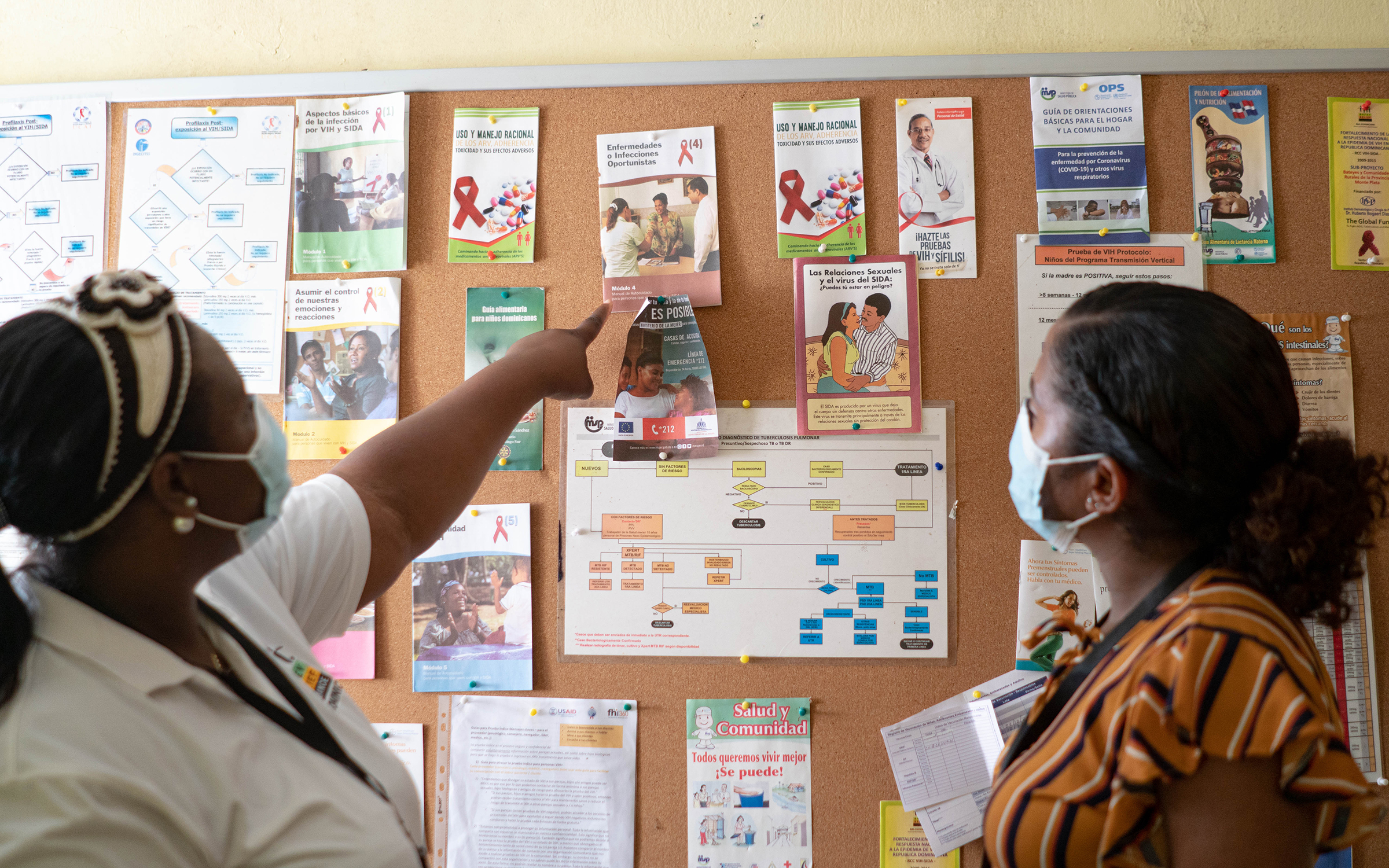

Tuberculosis (TB) travels quickly and spreads primarily through aerosols exhaled by people infected with the bacteria, particularly when they are in close quarters with others. TB must be diagnosed and treated in a timely manner to prevent runaway transmission. Without adequate treatment, TB can develop resistance to existing medications, making these lifesaving interventions ineffective. If allowed to spread unchecked around the world, resistance patterns will emerge for which treatments do not exist.
In my decades as an infectious disease expert, I’ve witnessed firsthand how critical timely, effective treatment is. The introduction of shorter, safer regimens changes everything, but only if healthcare providers are equipped to use them.
Shorter, safer TB regimens are game-changers
Tuberculosis is fatal but curable. It typically presents with a persistent cough and chest pain. People with active TB may cough up blood or mucus and have difficulty breathing. Once diagnosed, treatment is highly effective but demanding. Patients usually require a combination of antibiotics — isoniazid and rifampin are the two most effective first-line TB drugs — for six months.
But the really challenging piece is drug resistance. Improper use of TB medications or incomplete treatment courses can cause the strain of TB to become resistant to the antibiotics, which endangers the life of the patient and risks the spread of a hard-to-treat illness to others.
Until recently, the best course of treatment for drug-resistant TB was a grueling two-to-three-year ordeal, often requiring painful injections with toxic side effects. After decades with few breakthroughs in available treatments, new clinical guidelines released in 2022 provided a spark of hope for an alternative: a four-month regimen for drug-susceptible TB in eligible children and adults, and six-month regimen for rifampin-resistant TB. This significantly reduced treatment duration and cost. Most importantly, it increased the likelihood of successful completion of treatment and survival for the patient.
A breakthrough in treatment faces barriers to access
Physicians and ministries of health in the highest TB burden countries need support to take advantage of this treatment. Currently, less than 30% of individuals with drug-resistant TB are detected and treated across the entire continuum of care — far lower than global standards.
More than 150,000 people die annually from multidrug-resistant TB (MDR-TB), but studies suggest that scaling up MDR-TB diagnosis and treatment, particularly with these newer regimens, could reduce MDR-TB incidence by 26% and mortality by 32% over a decade. However, unless doctors are trained and mentored on the new clinical guidelines, countries are not able to reap the benefits of decades of investments the global health sector has made to advance drug-resistant TB treatments.
What’s needed to expand access to shorter TB regimens
By working in close partnership with national TB programs in high-burden TB countries, these steps will ensure that short-regime TB treatments fulfill their promise:
- Improve case finding to quickly diagnose people with drug-resistant TB.
-
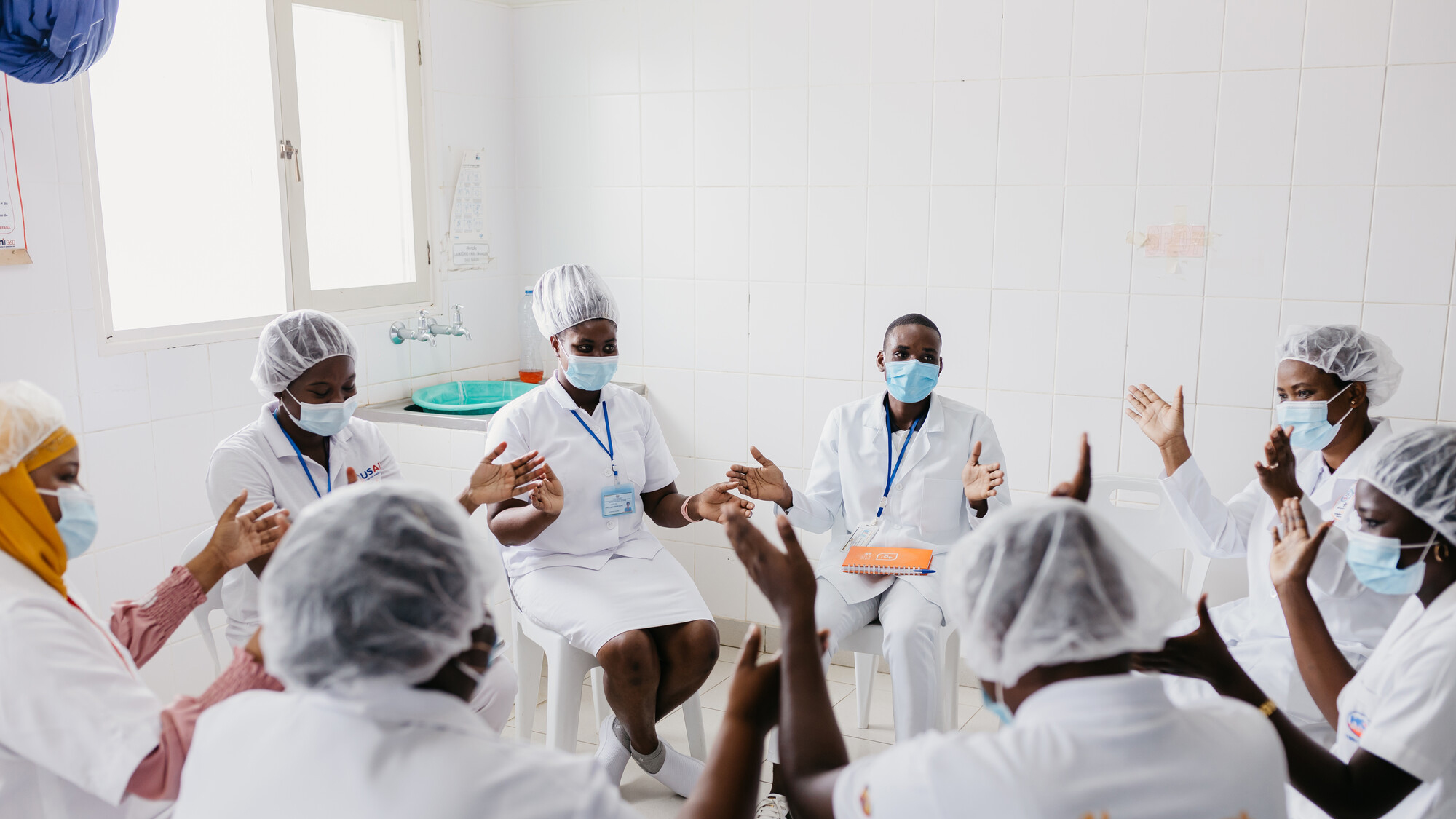
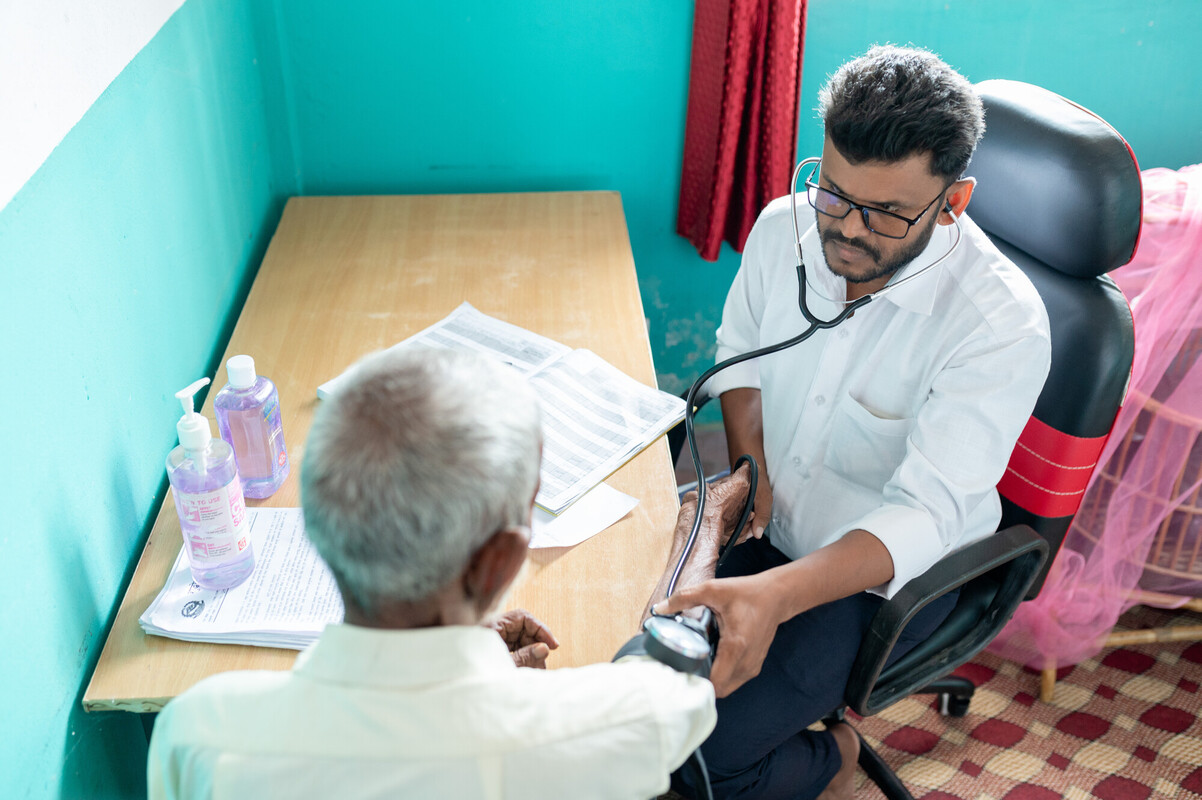
Ensure physicians are trained on the new clinical guidelines so patients can receive the shorter regimen. MDR-TB cases can be complex, especially for those at an increased risk for HIV like children and people living with HIV, but with training and connections to professional networks, physicians can ensure the right treatment for each patient.
-
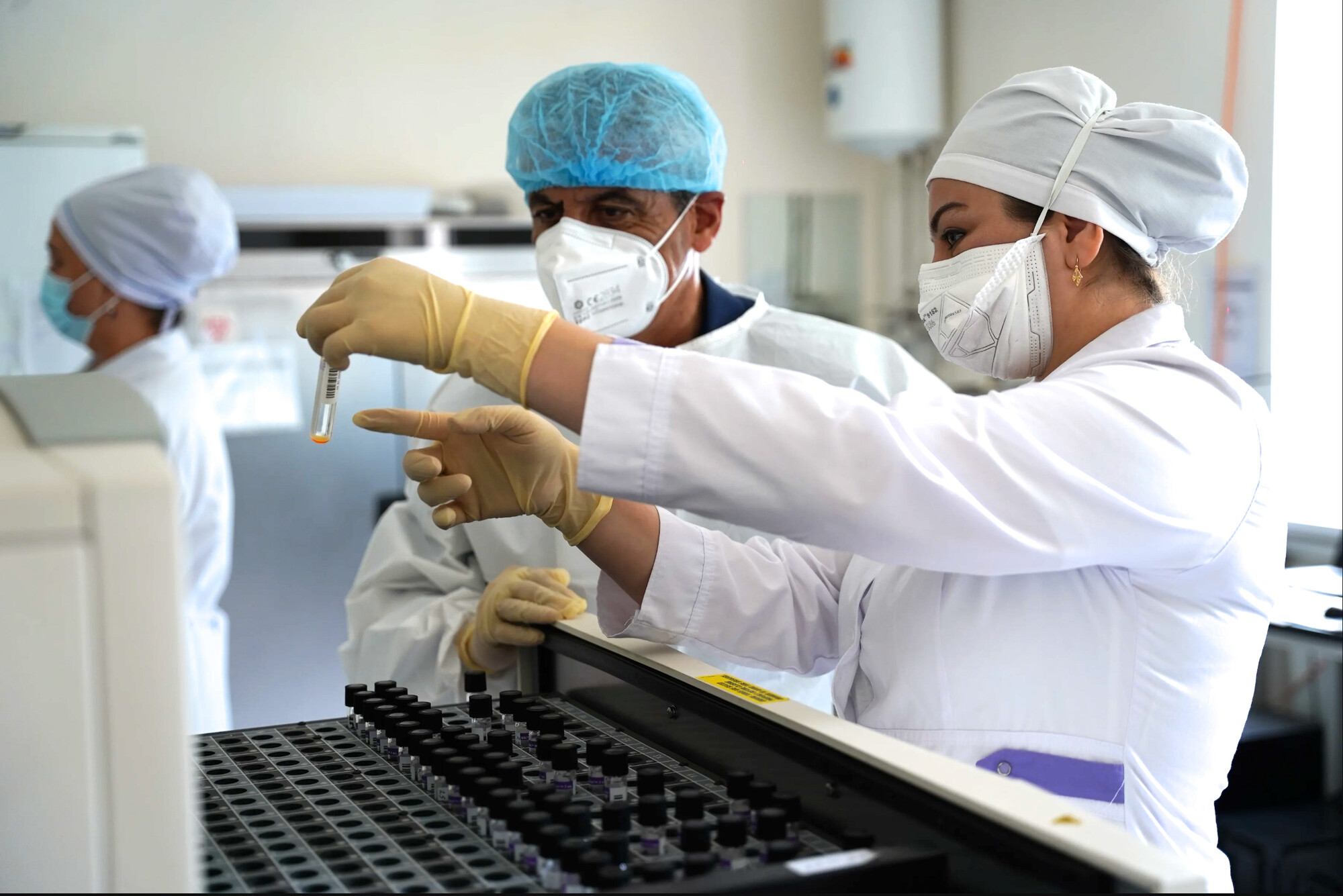
Strengthen health systems to better deliver all facets of TB care under the guidance and direction of local ministries of health. It is critical to stave off transmission by building and maintaining health systems that prevent, detect and treat the pathogen where it originates.
For decades, FHI 360 has partnered with experts across a range of fields dedicated to ending tuberculosis. We’ve consistently found the most impactful solutions emerge when physicians and healthcare teams are supported and trained to leverage innovative treatments.
TB may be the planet’s deadliest infectious disease, but by scaling up case finding, expanding uses of shorter and more effective treatments, and strengthening health systems to deliver this lifesaving care, we can stop it.