






One of the first things I learned as a probation/parole officer was that even when a person completes their sentence, it doesn’t always mean that their punishment is over. I served as a probation/parole officer for seven years, and I saw firsthand the lasting stigma of being involved with the justice system.
A criminal record can make it difficult to obtain housing, jobs and even bank accounts. Young people, in particular, who have missed the first few pivotal years of adulthood while incarcerated can far too easily wind up in a dead end.
The White House acknowledged that advancing opportunities for the formerly incarcerated promotes community safety and strengthens our economy when, during Second Chance Month, it announced historic investments into strategies to enhance reentry outcomes.
A bitter homecoming
Over 90% of incarcerated Americans are released from prison and return to their communities. In that process of reentry, we believe everyone deserves the opportunity to move forward from past mistakes. What’s more, it promotes public safety when people who are reentering are given a full range of opportunities to be productive and successful.
But many people experiencing reentry don’t have a full range of choices. Sometimes they don’t have any choices at all. That’s where FHI 360’s Justice Programs team — and the Compass Rose Collaborative we lead — comes in.
The Compass Rose Collaborative
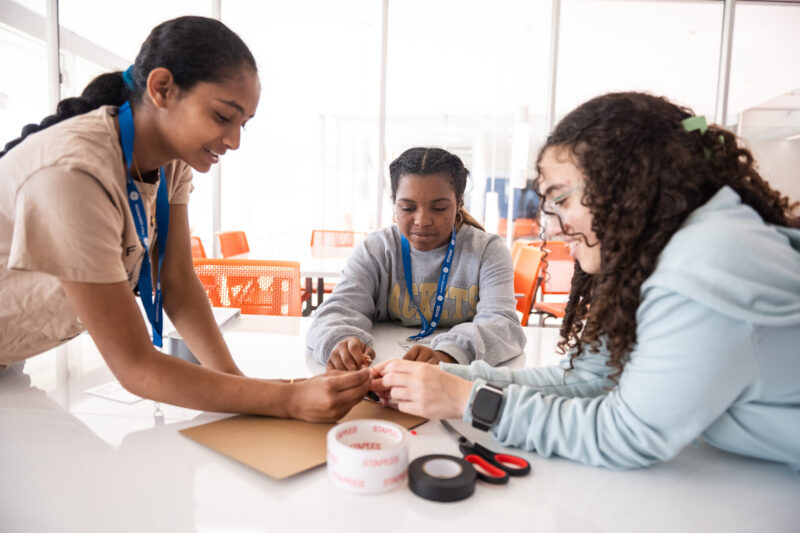
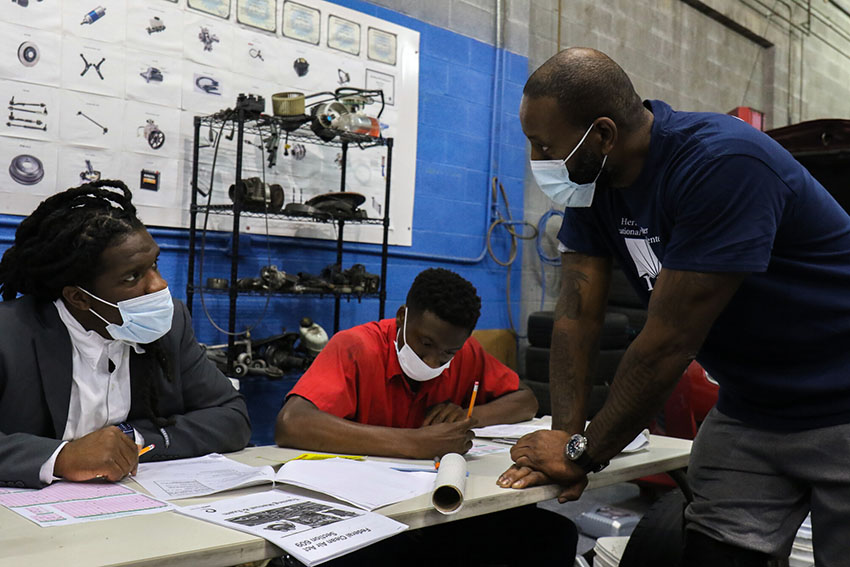
FHI 360’s Compass Rose Collaborative supports organizations based in underserved communities around the U.S. to lead youth reentry programs. Compass Rose, which currently works with a network of nine community partners across 10 states, improves education and employment opportunities for young adults ages 18 to 24 after they have been involved in the justice system.
The programs’ participants live in places as diverse as southeastern Arkansas, Los Angeles and Baltimore, but the challenges they face are the same — including high poverty, dropout, crime and recidivism rates.
From 2017 to 2020, FHI 360 and our partners reached more than 1,500 young adults. Only 2% of them were convicted of a new crime, compared with a national recidivism rate of about 46%, according to U.S. Department of Justice statistics. Nearly 75% of Compass Rose participants were placed in long-term education programs, employment or apprenticeships.
We could not achieve these results without deep community involvement. FHI 360 supports Compass Rose partners with technical and administrative expertise and convenes community-based organizations, workforce boards and nonprofits to share best practices. In turn, we share their learnings with the wider justice field.
Seeing the whole person
Reentry programs must do more than simply teach the skills to land a job. The young people who come to Compass Rose’s partners have often dealt with considerable trauma, and they may need specialized support.
The model developed by FHI 360 takes a “whole person” approach to reentry by aiming to meet all the needs of an individual. It provides program participants with:
- Support services, including assistance obtaining housing, clothing, food, transportation and counseling.
- Legal services.
- Work readiness, preparation and job placement.
- Educational services.
Our partners have case managers on staff who help secure people’s basic needs and focus on rebuilding their trust.
Most critically, we take the time to learn about the communities in which we work. Many times, residents of a community that has been impacted by the justice system have already identified systemic issues that need to change. They share with us their challenges and successes; we use that knowledge to support removing barriers or amplifying what already works.
Hope for the future
For FHI 360’s Justice Programs team, community-based reentry work is more than a job; it is our mission to give young people the support they need to contribute to society. When society does not allow a young person who has been incarcerated and released to work toward their dreams and goals, it is a detriment to them and to us. Not only are there economic advantages to keeping people out of the justice system, but we miss out on talent, initiative and drive when young adults are incarcerated. Together, FHI 360 and our Compass Rose partners have an opportunity to encourage our young people’s potential and support efforts to help them turn a new page.
The Compass Rose Collaborative (Reentry Project) is 100% funded by the U.S. Department of Labor in the amount of $4.5 million. No other sources of funding support this program.
The Compass Rose Collaborative (Young Adult Reentry Partnership) is 100% funded by the U.S. Department of Labor in the amount of $4,298,500. No other sources of funding support this program.