
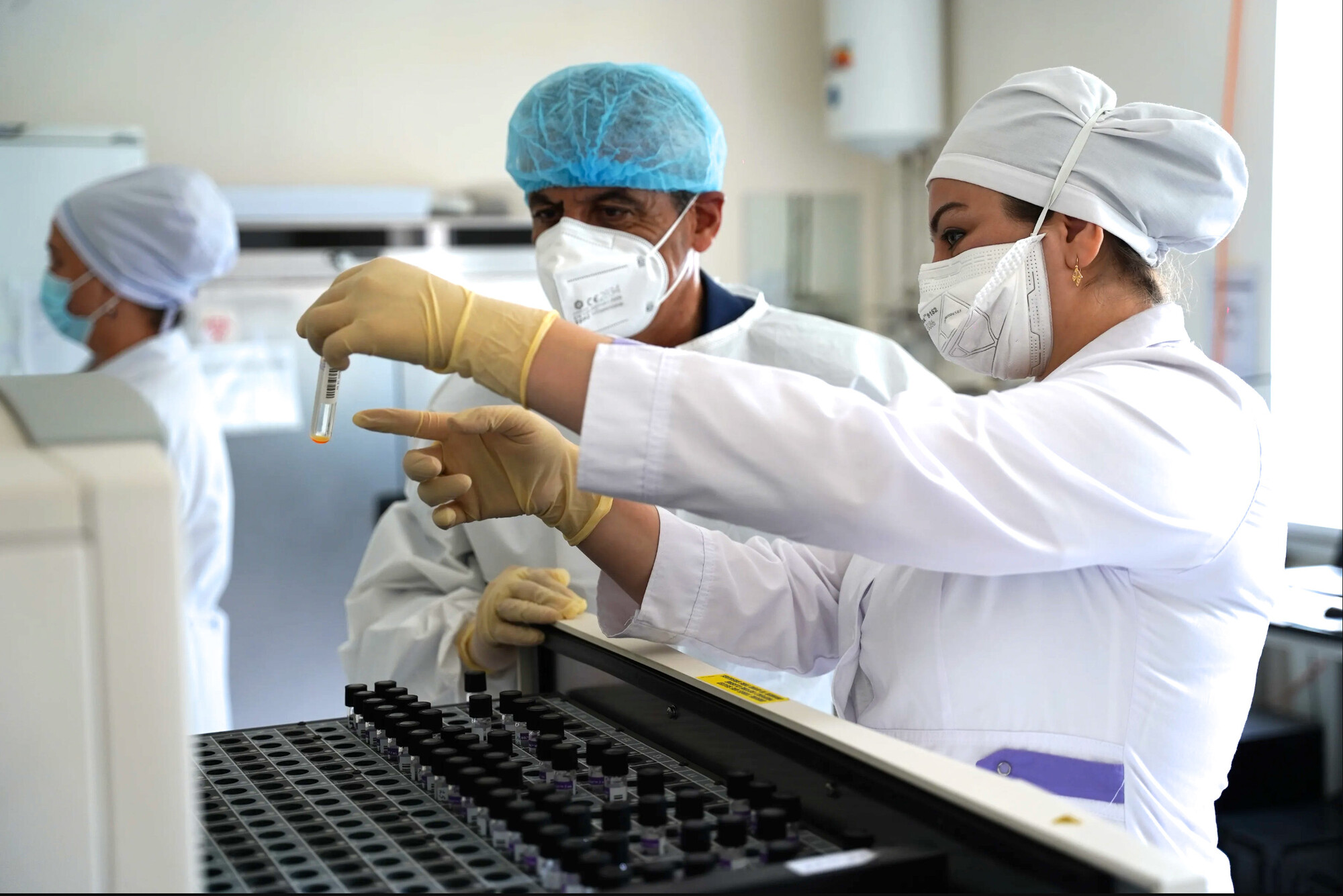



A little more than a month after World AIDS Day 2019, COVID-19 started to impact our HIV programs in Asia as countries like Cambodia, Thailand and Vietnam began quarantine. Community testing ground to a halt. People living with HIV worried about access to their medications. HIV pre-exposure prophylaxis (PrEP) enrollment slowed. COVID-19 testing diverted laboratories from HIV services. By March 2020, the rest of the world was equally impacted. FHI 360’s HIV programs were determined to continue serving people, but there were deep concerns. We were not alone, of course; the global HIV community was facing COVID-19 together. But with so much uncertainty, we wondered: Would COVID-19 substantially set back hard-won gains toward epidemic control? Did we have the tools in hand, or could we develop the tools, to weather this crisis?
It turns out that we had many of the strategies to mitigate the impact of COVID-19 on our HIV programs already, thanks to four investments made prior to the pandemic that turned out to be a lifeline.
Strategy 1. Differentiated service delivery
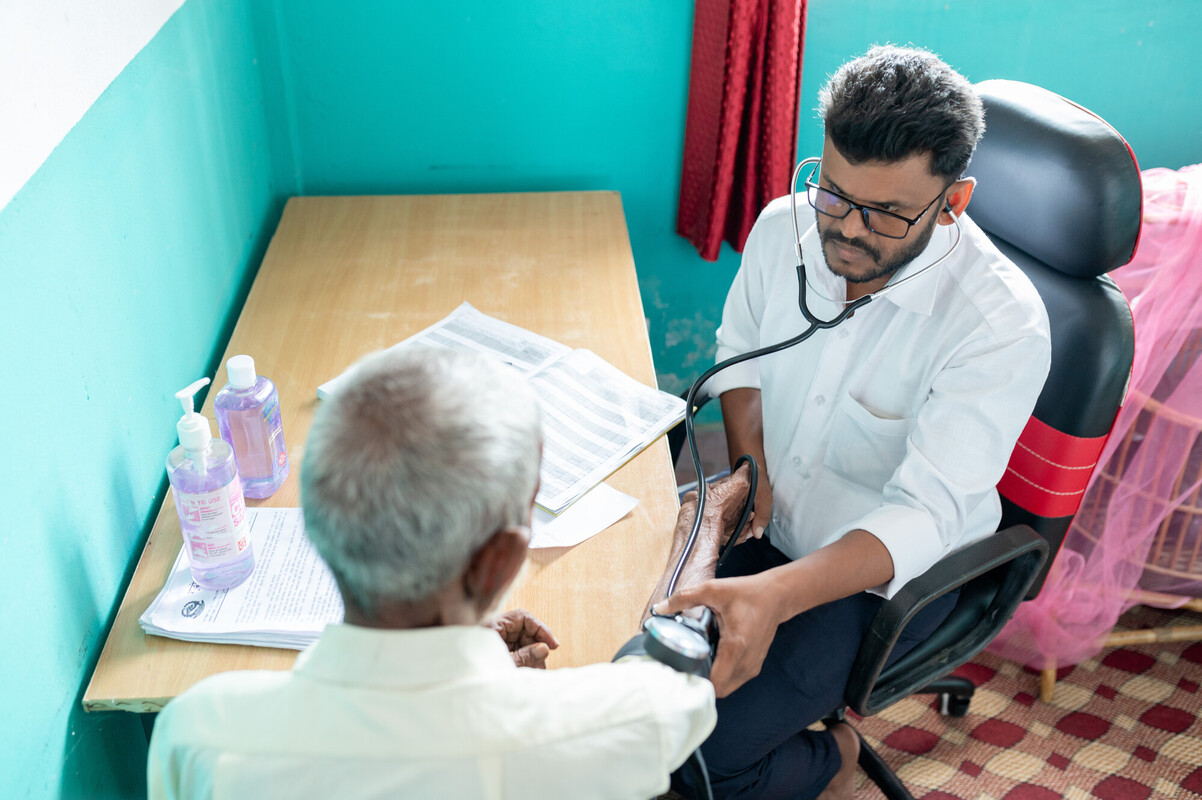
FHI 360 was an early adapter of differentiated service delivery models to bring HIV testing, treatment and PrEP out of health facilities and into communities for more access options for clients. Building on this foundation, the U.S. President’s Emergency Fund for AIDS Relief through the U.S. Agency for International Development funded the EpiC project in 2019 to provide leadership and technical support to scale up targeted, decentralized drug distribution (DDD) models to assess clients’ needs and preferences, scope the private sector to understand their capacities and training needs, and introduce a suite of DDD models targeted to countries’ needs. This work included providing antiretroviral therapy (ART), PrEP and self-testing through private pharmacies, automated dispensing units and community distribution points.
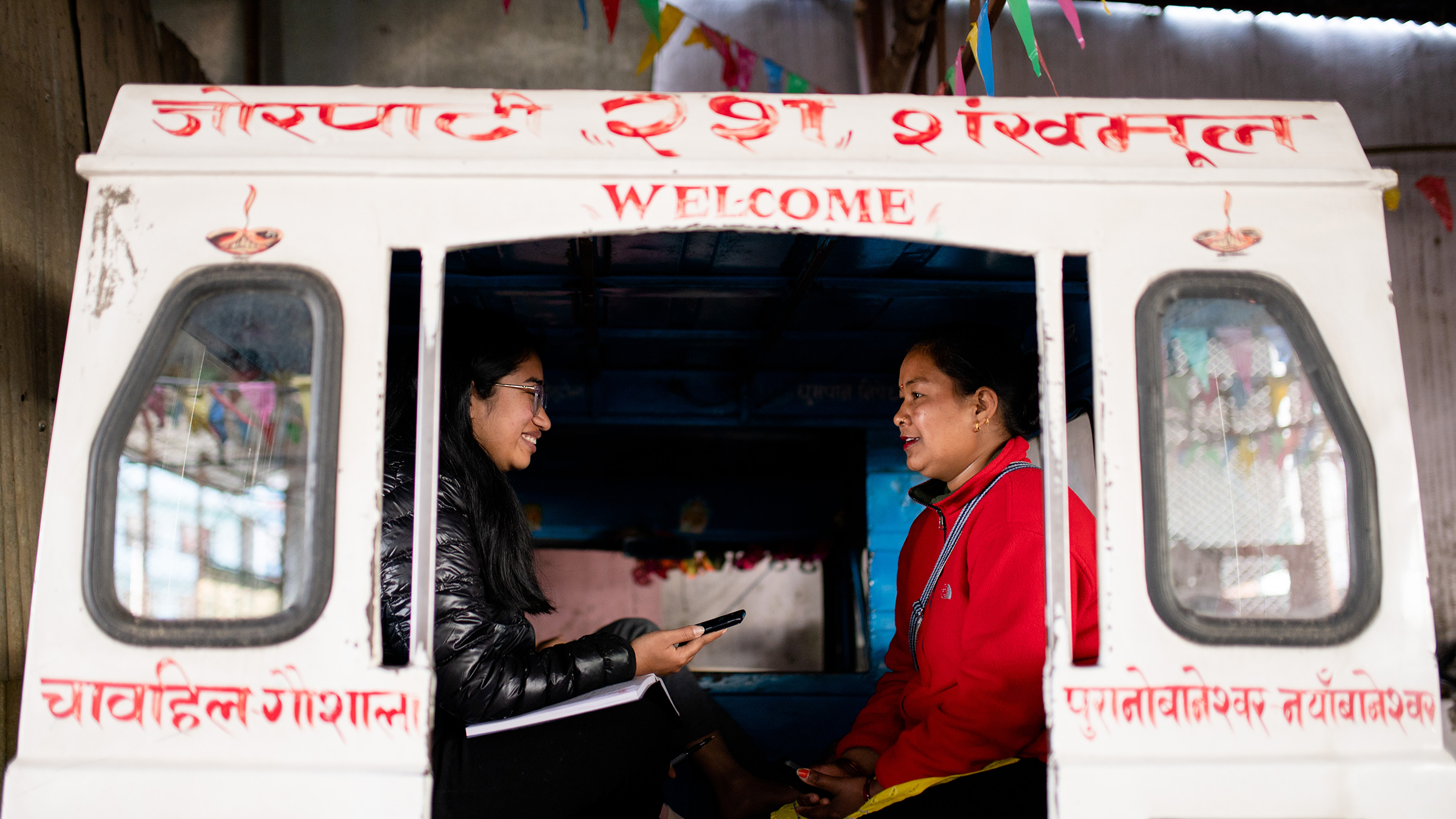
When the pandemic hit and lockdowns went into effect, these DDD models were in advanced planning stages or already running and assisting with the decanting of clients from overwhelmed and crowded public-sector sites. Additionally, HIV programs were quickly able to leverage strong relationships with ministries of health to expand or introduce ART access through home delivery of prepacked medicines. Programs also took advantage of ongoing or emergency policies promoting six-month dispensing of ART and new multimonth dispensing opportunities for PrEP.
Strategy 2. Online services
A rapid expansion of our Going Online activities allowed us to shift many face-to-face interventions to cyberspace. FHI 360’s Going Online strategy moved quickly to support programs in more than 35 countries. Going Online leverages a suite of targeted, online marketing and outreach approaches and supports the retention and engagement of program participants through virtual case management, which has been critical for clients taking PrEP and enrolled on lifelong ART. By investing in a first-of-a-kind, multicountry Online Reservation and Case Management App platform, 10 new countries were able to transition as lockdowns began. Public and private facilities were able to decongest sites by allowing clients to book appointments online and have virtual consultations. The platform was also used for home delivery of antiretrovirals and self-testing.
Strategy 3. Community-led services
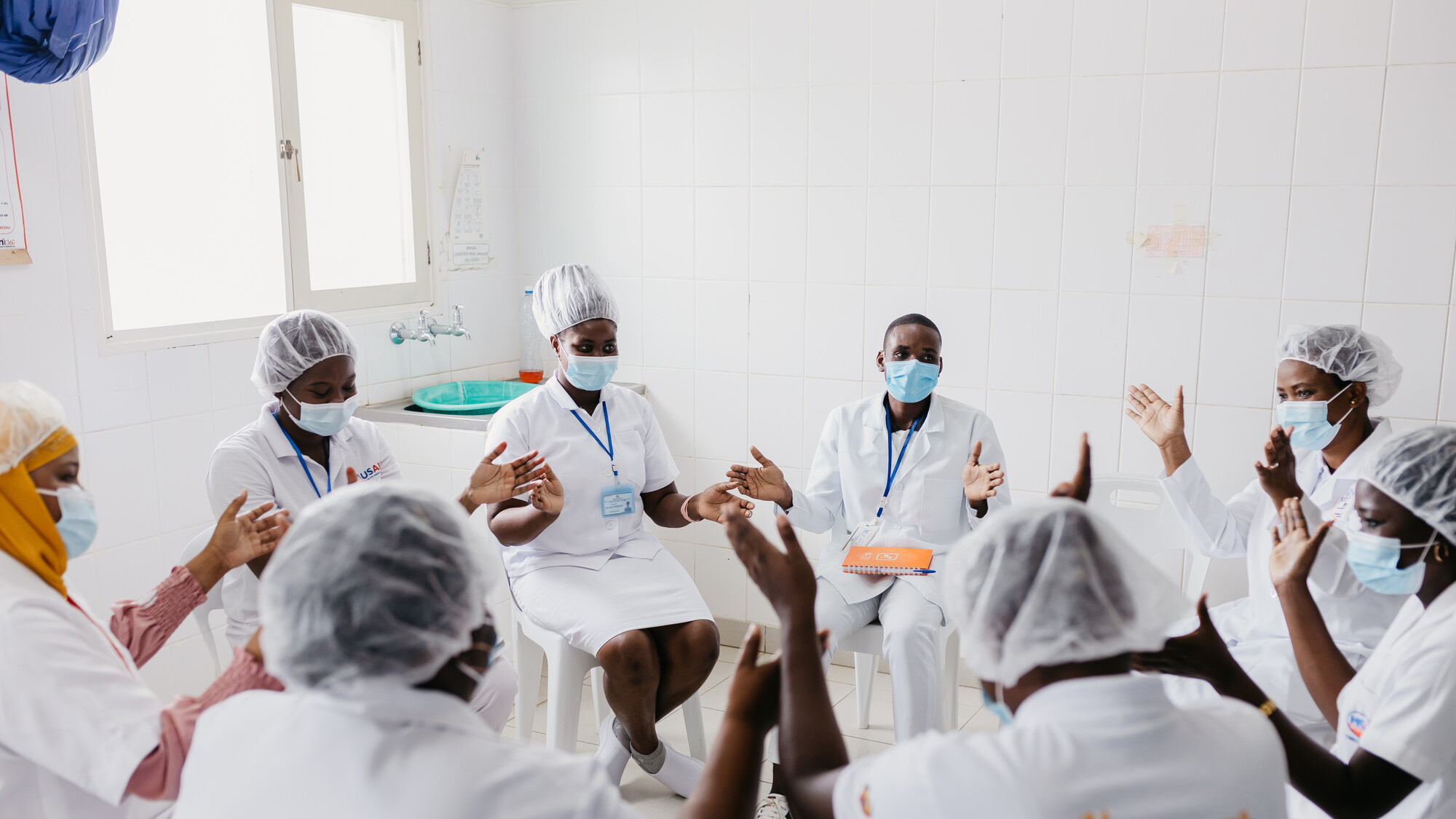
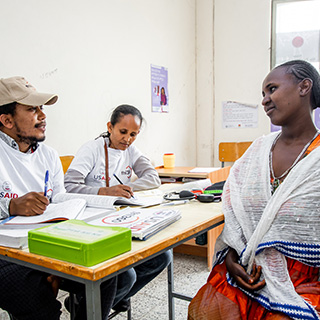
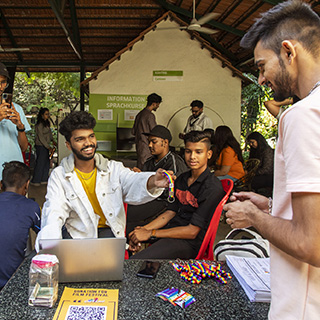
Our investments in community-led services helped our programs weather the first wave of the pandemic. The communities most affected by HIV are best positioned to lead the response, so we work with more than 200 community-based and community-led organizations on the delivery of HIV prevention, testing and treatment services – including dispensation of ART and PrEP through drop-in-centers – and the training of community members as peer educators, case managers, treatment navigators and outreach workers. We worked with ministries of health, such as in Malawi, to have community-based providers recognized as accredited parts of the health system. When facility-based care was diverted to COVID-19 needs and restrictions on movement limited access to clinics, prior investments in task shifting to community providers allowed us to maintain program integrity. Additionally, prior capacity building in violence prevention enabled programs to support community members (especially those at an increased risk for HIV and women) at increased risk of violence during the crisis.
Strategy 4. Robust information systems
How do we know whether these strategies worked? Over the past few years, FHI 360 invested in robust information systems, including InfoLink, a DHIS2 platform that collects aggregate results across our global HIV programs. When COVID-19 hit, we already had weekly and monthly reporting across our entire HIV cascade. The InfoLink system became the core of a three-pronged approach to: 1) measure the impact of COVID-19 on service uptake; 2) monitor the success of mitigation measures; and 3) document policy changes impacting our work and program results. We introduced new indicators into InfoLink to determine where services were taking place (such as shifts in service delivery points from facilities to the communities or homes). We also collected categorical survey data on changes to policy and operational management, travel restrictions, impacts on service delivery, and the like.
Did we emerge from the first wave of COVID-19 completely unscathed? No. But it could have been much worse, and many of our existing strategies, along with some new ones, have likely pushed HIV prevention, care and treatment innovations forward more rapidly than if there had been no COVID-19. They say that necessity is the mother of invention. On World AIDS Day 2020, we push forward with the knowledge that we can adapt and innovate to meet the challenges of the moment but with a prayer that, by World AIDS Day 2021, it will not be COVID-19 that is forcing us to do so.