

Agricultural workers in the U.S. have one of the most dangerous occupations in the nation.
The millions of migrant farmworkers in America — and their children — deserve comprehensive health care services so that they and their children can thrive. Furthermore, doing so benefits everyone by ensuring that food continues to arrive in grocery stores, restaurants, businesses and schools.
To help migrant farmworkers get the health care they need, FHI 360 is connecting Migrant and Seasonal Head Start (MSHS) child care providers with local community health centers. MSHS is a subset of Head Start, which is funded by the U.S. Department of Health and Human Services (HHS).
Meeting the unique needs of migrant farmworker families
The MSHS program oversees child development centers that have bilingual teachers and are open during hours that accommodate the farming day and the growing season. They specialize in early childhood development as well as parent and family engagement, nutrition and mental health.
While MSHS’s standard programs provide high-quality, educational child care for free, that does not necessarily mean that migrant farmworker families can access the health care they need. And caring for the whole child means not just looking after their education but also their health — and the health of their families.
Challenges in accessing health care
We cannot overstate the challenges that migrant and seasonal farmworkers face in accessing medical and dental care. They often do not have paid sick time, reliable transportation or home internet. Some are monolingual Spanish speakers. While nearly 90% of the children in MSHS are insured through Medicaid and/or the Children’s Health Insurance Program (CHIP), their parents may not be eligible for health insurance. To help mitigate these challenges, MSHS partners with community health centers, which are also funded by the HHS.
A partnership in New York to create easily accessible telehealth
FHI 360 helped make one such partnership a reality, ensuring that families enrolled in an MSHS program could receive the health care services they need. Agri-Business Child Development (ABCD), one of the MSHS grant recipients that FHI 360 works closely with, provides services across New York state. ABCD serves approximately 1,000 children per year through their 13 locations, which are in the areas of the state with the highest concentrations of farmworker families.
During the COVID-19 pandemic, ABCD relied on its longstanding partnership with Finger Lakes Community Health (FLCH) in upstate New York to start a telehealth service for MSHS families. Our team partnered with the HHS in providing the guidance that made this telehealth solution a possibility – coaching ABCD on what the partnership could look like, how to prepare for it and how to ensure it runs smoothly.
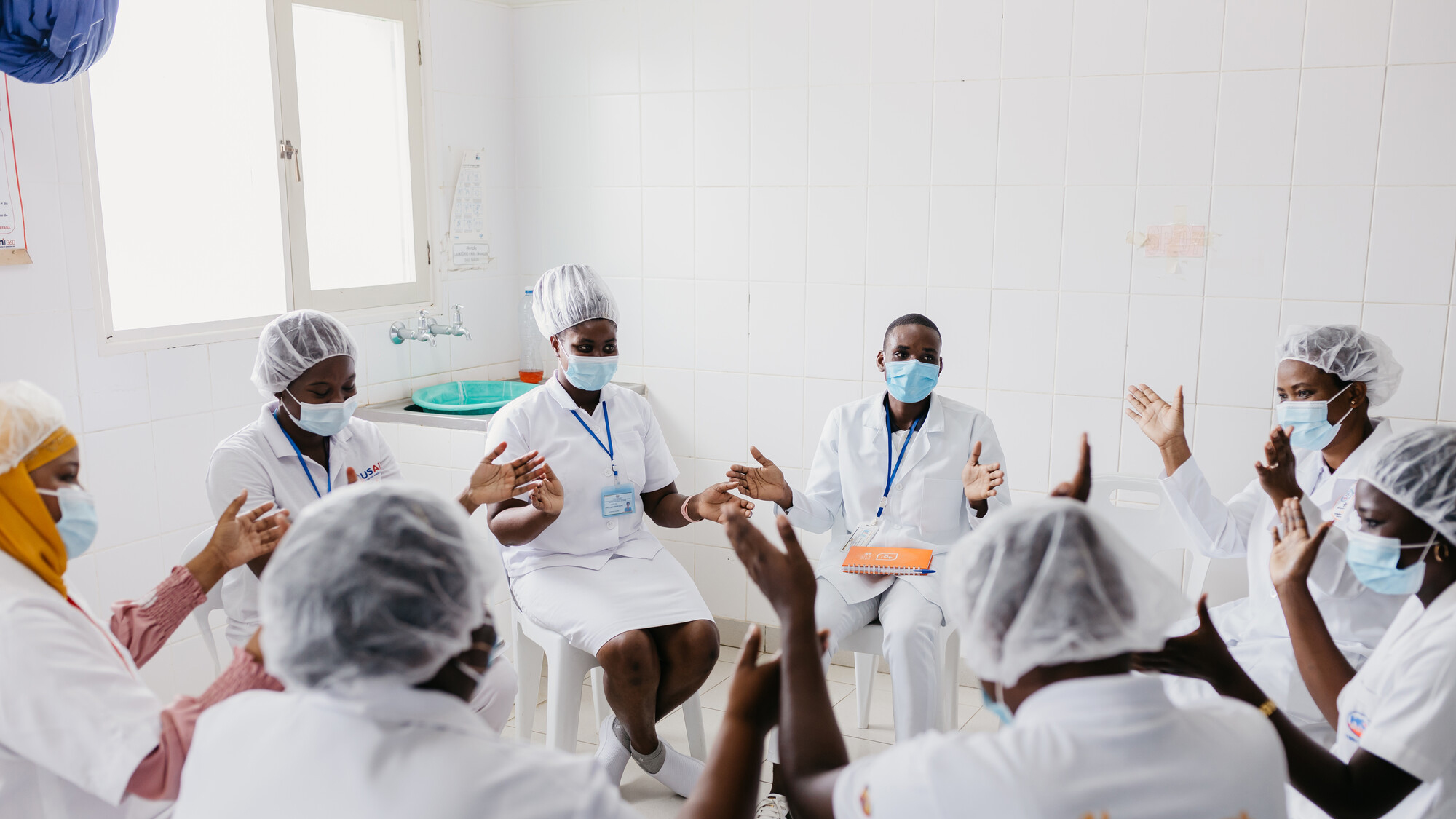
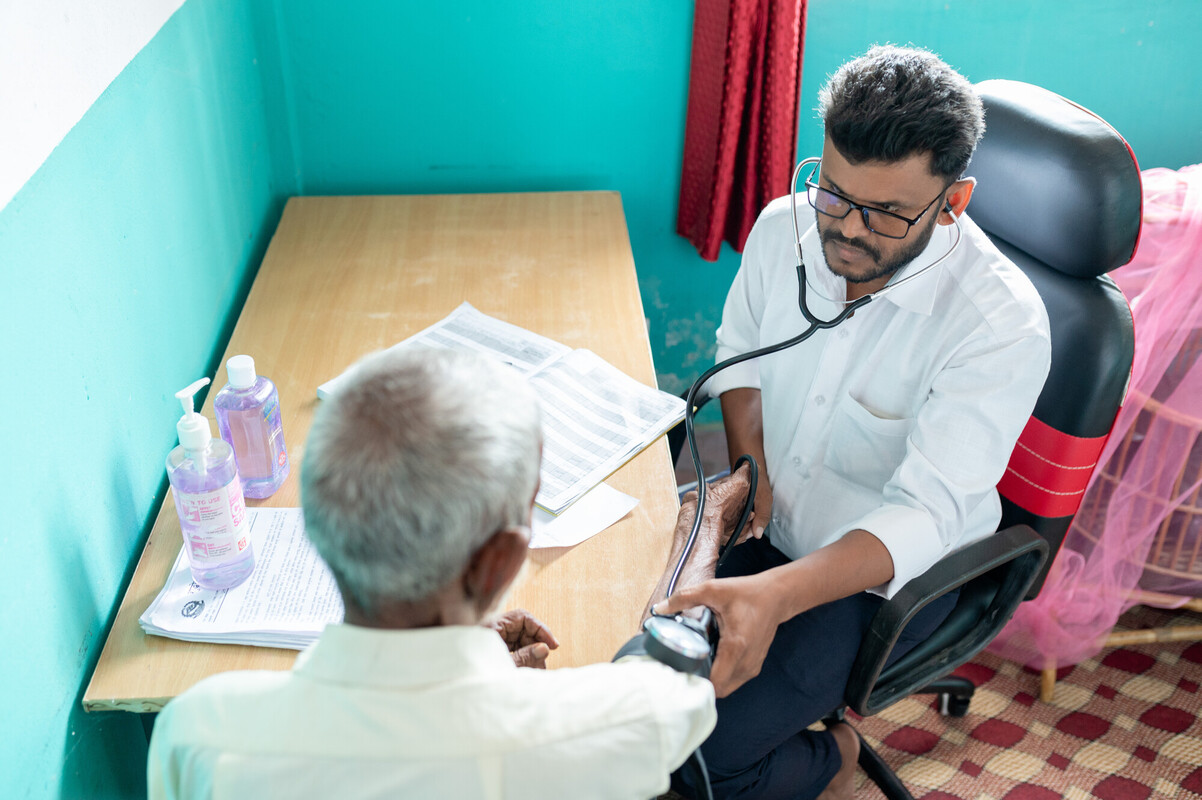
Now, in two of the MSHS child development centers ABCD supports, there is a dedicated room where children and families can receive telehealth services from local providers for acute care visits, and MSHS teachers can use the service if they have a health concern about a child.
As a result, migrant and seasonal farmworker families can receive bilingual health care by simply walking down the hall at an ABCD center. There is no need to take unpaid time off, figure out transportation or make appointments far in advance. The service is also a welcome addition for teachers, enabling them to have an even more active role in caregiving.
“The presence of FLCH in many of the communities that we serve provides a network of ‘medical homes’ that ABCD families can access as they travel from county to county seeking employment,” says Maggie Evans, chief executive officer of ABCD, noting that ABCD plans to expand the telehealth services offered and extend the model to additional sites.
Providers who reflect the populations they serve
It is important that the FLCH providers reflect the community they serve. MSHS families come from both Mexico and Central America.
“Finger Lakes has bilingual and culturally competent staff that make our telehealth services linguistically accessible to the families that ABCD serves,” says Mary Zelazny, chief executive officer of FLCH. “For bilingual patients or non-native English speakers, this can mean a world of difference in how they experience health care.”
Achieving results that help migrant farmworker families thrive
The partnership makes a real difference in children’s lives. The accessibility of in-center dental services from FLCH (via a camera that looks into a child’s mouth) have brought incidences of oral health concerns to almost 0%. As a result, as ABCD children transition to their local public-school districts, they have the lowest follow-up dental needs. And, research has shown that children’s oral health status is strongly linked to their academic outcomes.1
Achieving these results did not come at a steep cost. The two entities share the cost of the partnership: ABCD provides the physical space and internet at the MSHS centers, and FLCH provides the telehealth equipment and providers. Funding comes via the HHS’s Office of Head Start and Bureau of Primary Health, respectively. An agreement between the two agencies, which FHI 360 helps implement, seeks to create more of these types of partnerships at the national, state and local levels.
“Together, our two agencies foster a unique combination of services that ensure farmworking families in New York state not only survive but thrive,” says ABCD’s Evans.
Low-cost, local collaborations like the one between ABCD and FLCH can provide services that are free, accessible and culturally competent to migrant and seasonal farmworker families. If more of these partnerships are formed, then we can better serve the families who do so much for us in return.
1Guarnizo-Herreño CC, Lyu W, Wehby GL. Children’s oral health and academic performance: Evidence of a persisting relationship over the last decade in the United States. J Pediatr [Internet]. 2019 March;209: 183-89.E2. Available from: https://doi.org/10.1016/j.jpeds.2019.01.045 Subscription required.