
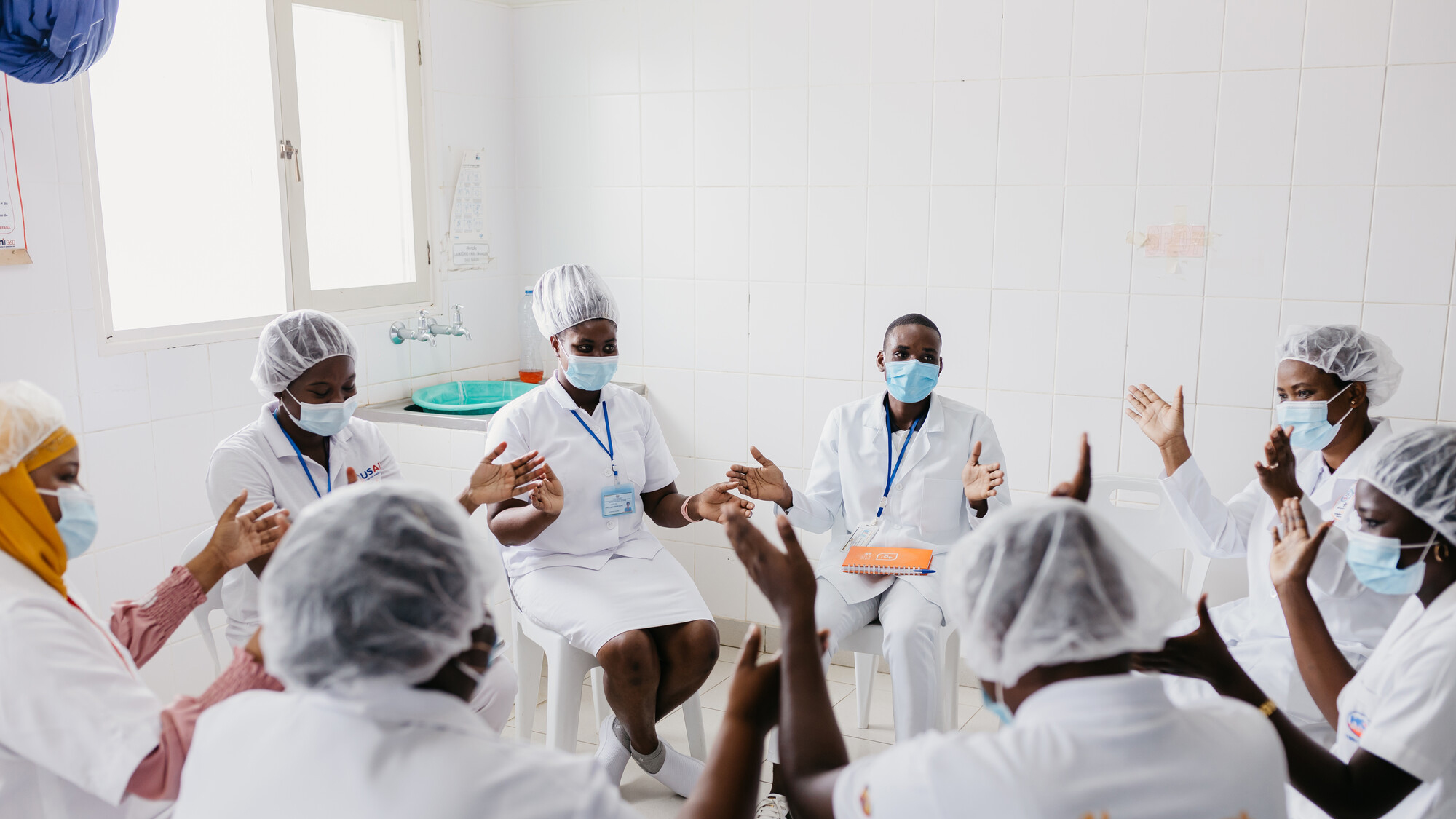
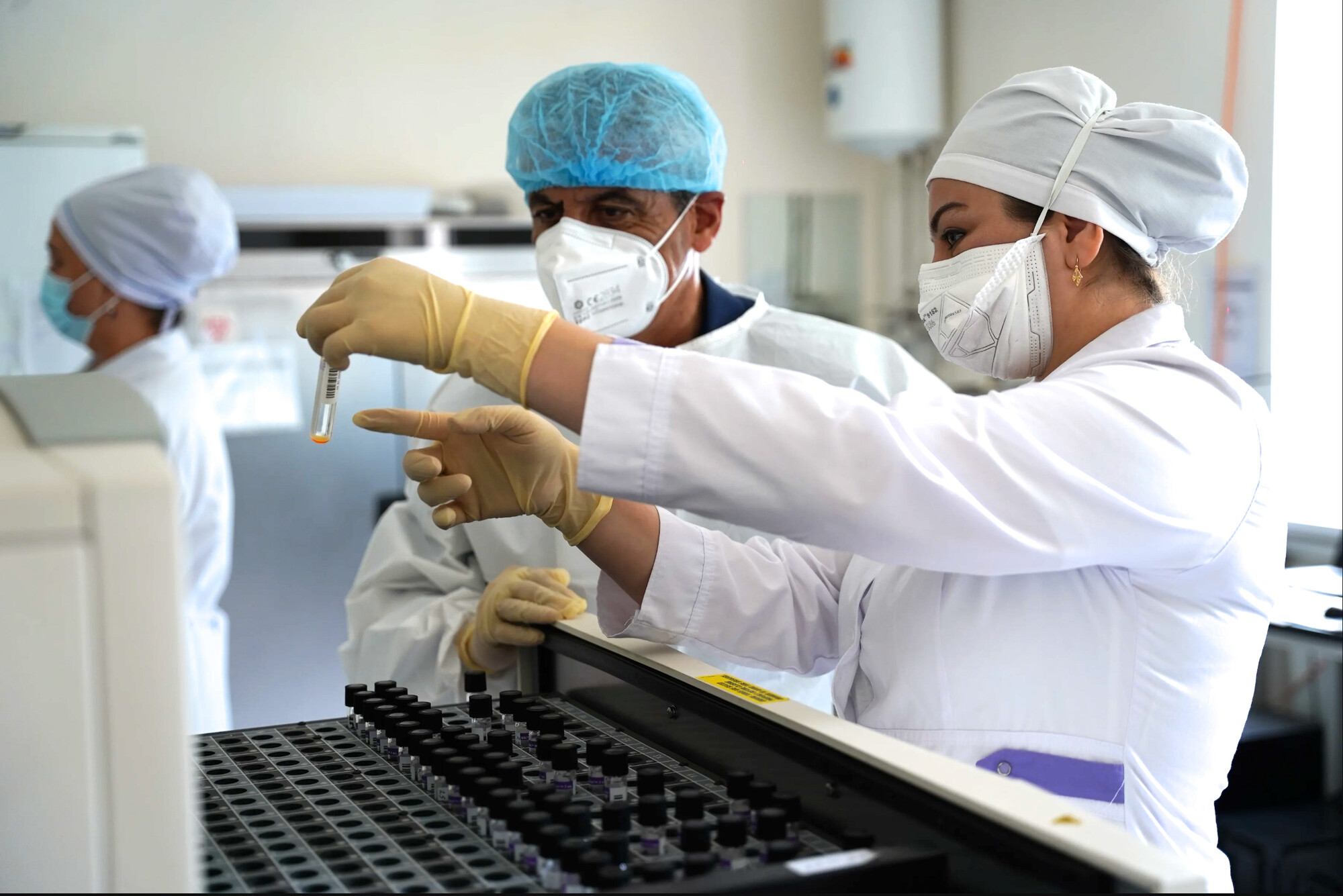







The increased pressure on public health systems to respond to the COVID-19 pandemic affects all routine health care, including the provision of essential HIV services. People living with HIV require regular access to treatment, but crowded public health facilities carry increased risk of exposure to COVID-19. Routine treatment sites also may be harder to reach because of stay-at-home orders, curfews and public transportation shutdowns. To maintain gains in HIV epidemic control, we must ensure that people needing antiretroviral therapy (ART) continue to receive medication uninterrupted.
The Meeting Targets and Maintaining Epidemic Control (EpiC) project, funded by the U.S. Agency for International Development (USAID), recently published a strategic guide summarizing decentralized distribution models for ART beyond public health facilities — the traditional supply point — by working with the private sector. Private retail pharmacies or community pharmacies can lower the exposure risk and improve access to lifesaving ART.
How can community pharmacies help?
The community pharmacy model is based on a public-private partnership between a public health facility (the hub) and nearby private pharmacies. People can receive ART refills at a community pharmacy and only return to the hub for routine check-ups every six to 12 months.
FHI 360 and Howard University implemented this approach in Nigeria from 2016 to 2019 as part of the Sustainable Financing Initiative under the Strengthening Integrated Delivery of HIV/AIDS Services (SIDHAS) project, funded by USAID. This approach, used in 320 community pharmacies, helped more than 15,000 people living with HIV access ART at a time and place that was convenient to them.
SIDHAS designed the approach as a self-sustaining partnership with minimal operating costs. After the program ended, 230 community pharmacies continued to provide services without additional donor support. People living with HIV showed a strong preference to continue using community pharmacies to access ART. An analysis conducted among those who received ART from community pharmacies for one year found that 93 percent were still on ART at the end of the year. People also reported fewer concerns about HIV-related stigma, because community pharmacies provide many kinds of medication compared with ART-specific clinics.
Adapting the approach during COVID-19
The community pharmacy approach is particularly promising during the COVID-19 pandemic, because pharmacies are essential services that remain open. Community pharmacies are also typically within walking distance, allowing people to avoid public transportation, which — even if available — can create additional risks for COVID-19.
Still, because the approach is not designed as a response to COVID-19, programs can take steps to increase its accessibility, affordability, capacity and safety.
- Start with pharmacy chains, where possible, to maximize coverage quickly. Identify community pharmacies that have experience dispensing ART to reduce training time.
- Provide web-based training for pharmacy staff who might not have the latest information on dispensing ART.
- Expand beyond serving only clinically stable ART clients to also serving ART clients who are not yet clinically stable. (Only clinically stable ART clients were part of the SIDHAS program.) Develop guidance for hub facilities to monitor and follow up with nonclinically stable clients by phone.
- Map people to pharmacies to minimize the distance they must travel and to avoid overcrowding (a hub facility may partner with several pharmacies).
- Avoid overcrowding at pharmacies by scheduling ART pick-up times, asking people to wait outside and implementing a physical-distancing plan.
- Eliminate dispensing fees during the COVID-19 emergency. If possible, the government, donors or implementing partners can support these fees.
- Offer home delivery of ART and other medications where feasible as part of the essential services provided by the pharmacy.
- Develop a simple online portal or use an app, SMS, WhatsApp or phone calls for communication between the hub facility, community pharmacies and people living with HIV to support and monitor those using community pharmacies.
- Governments and programs can consider using the community pharmacy approach to dispense commodities such as medications for prevention or treatment of tuberculosis or other opportunistic infections, HIV pre-exposure prophylaxis, condoms and HIV self-test kits.
The partnership among community pharmacies and public health facilities is a safe, feasible, user-friendly, cost-effective and easily scalable approach to help ensure that people living with HIV can begin or continue lifesaving HIV treatment during these extraordinary times.
Learn more about modifying decentralized distribution models to address disruptions related to COVID-19 in this guidance document.