

The Dominican Republic has one of the fastest-growing economies in Latin America, yet its employers are struggling to find qualified applicants for jobs such as software development and nursing. Furthermore, young people between the ages of 15 and 24 face high unemployment rates.
These statistics highlight a disconnect between the Dominican Republic’s growing economy and the education and training of its young people. This is in part because many young people lack access to quality education and technical skills training. Additionally, local employers say that young people are missing key soft skills, such as critical thinking, problem-solving and communication.
Training students for promising careers
FHI 360’s Advance LAC Regional Workforce Development Program (known locally as “Avanza,” meaning “get going” in Spanish) aims to help marginalized young people in the Dominican Republic gain employment in growing sectors of the economy. I help lead the program, which is funded by the U.S. Agency for International Development (USAID). My team works closely with four local partners in the Dominican Republic: two institutes of higher technical education, a university and a foundation.
The Avanza program has been developed in four countries: Guatemala and Honduras, where it is now finished, and Jamaica and the Dominican Republic, where it remains active. Each program is customized to the workforce needs of the country.
In an assessment FHI 360 conducted of the Dominican Republic’s workforce, we found that only some of the fastest–growing economic sectors provide formal, well-paying jobs that benefit local economies. For example, the Dominican tourism sector has grown strongly, but many jobs in that field are informal and low paying.
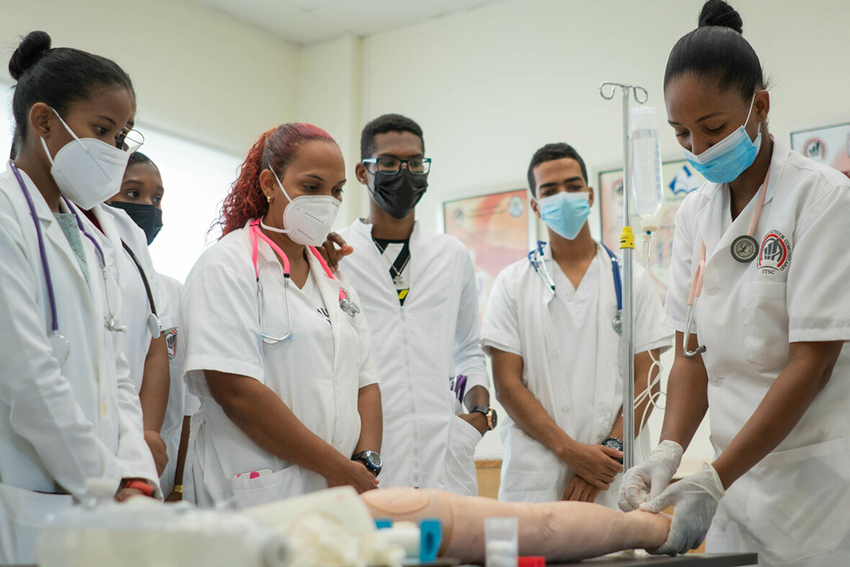
As a result of the assessment, Avanza and our local partners selected four areas of employment in which to train students for promising careers: gastronomy, medical device manufacturing, nursing, and software development. These sectors of the Dominican economy are growing quickly and result in well-paying jobs that benefit the country’s economy. These jobs also require substantial training and education.
Social emotional skills help build career success

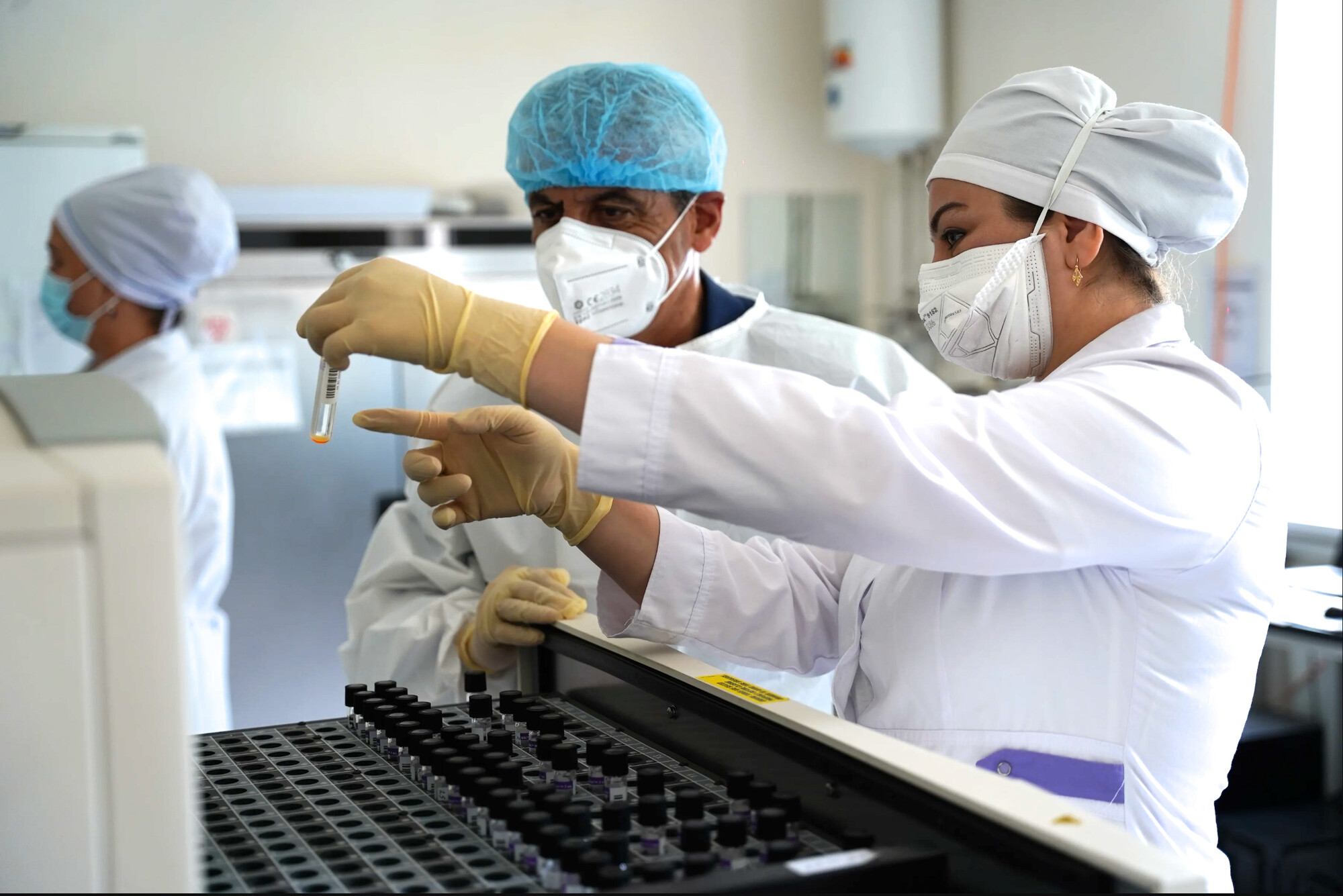
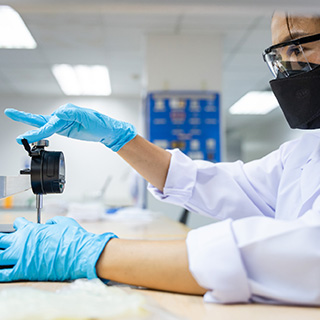
Darío Rubén Vásquez Contreras, a medical device manufacturing student at the Instituto Tecnológico de las Américas or ITLA, observes his professor, Edwin Rodríguez, demonstrating a medical device manufacturing machine and equipment in one of the medical device laboratories on campus, located in Santo Domingo Este in the Dominican Republic. Medical device manufacturing is a large and growing industry in the Dominican Republic with opportunities for jobs and careers. Photo credit: Gabriela Rancier/Productora Comando for FHI 360
The Avanza program does not focus solely on technical skills. We support and guide our partner institutions as they incorporate social emotional learning into the curriculum. Social emotional learning is defined as a set of cognitive, social and emotional competencies that shape how individuals interact with one another.
In its 2018 Education Policy, USAID identified social and emotional competencies as critical to assuring the long-term success of children and young people. Some examples of these competencies include empathy, adaptability, teamwork, and time and conflict management. Teachers train children, adolescents and adults on these competencies using explicit, active and sequenced instruction.
Social emotional learning can be called “soft skills” within the context of professional work and/or higher education. Soft-skills training often is incorporated into educational programs to achieve specific outcomes, such as employability.
Students who participate in the Avanza program have noted that social emotional learning has helped them both professionally and personally:
“After the social emotional trainings, I have learned to plan and complete my assignments with better focus and determination and how to respond to adverse situations that may arise in the work environment.”
“I have learned to be creative and flexible when working in teams … and about my obligations and my rights, as well as those of my employer.”
“My participation in the program has given me access to a high-quality education that is preparing me both to be able to achieve a decent job and to be a better person.”
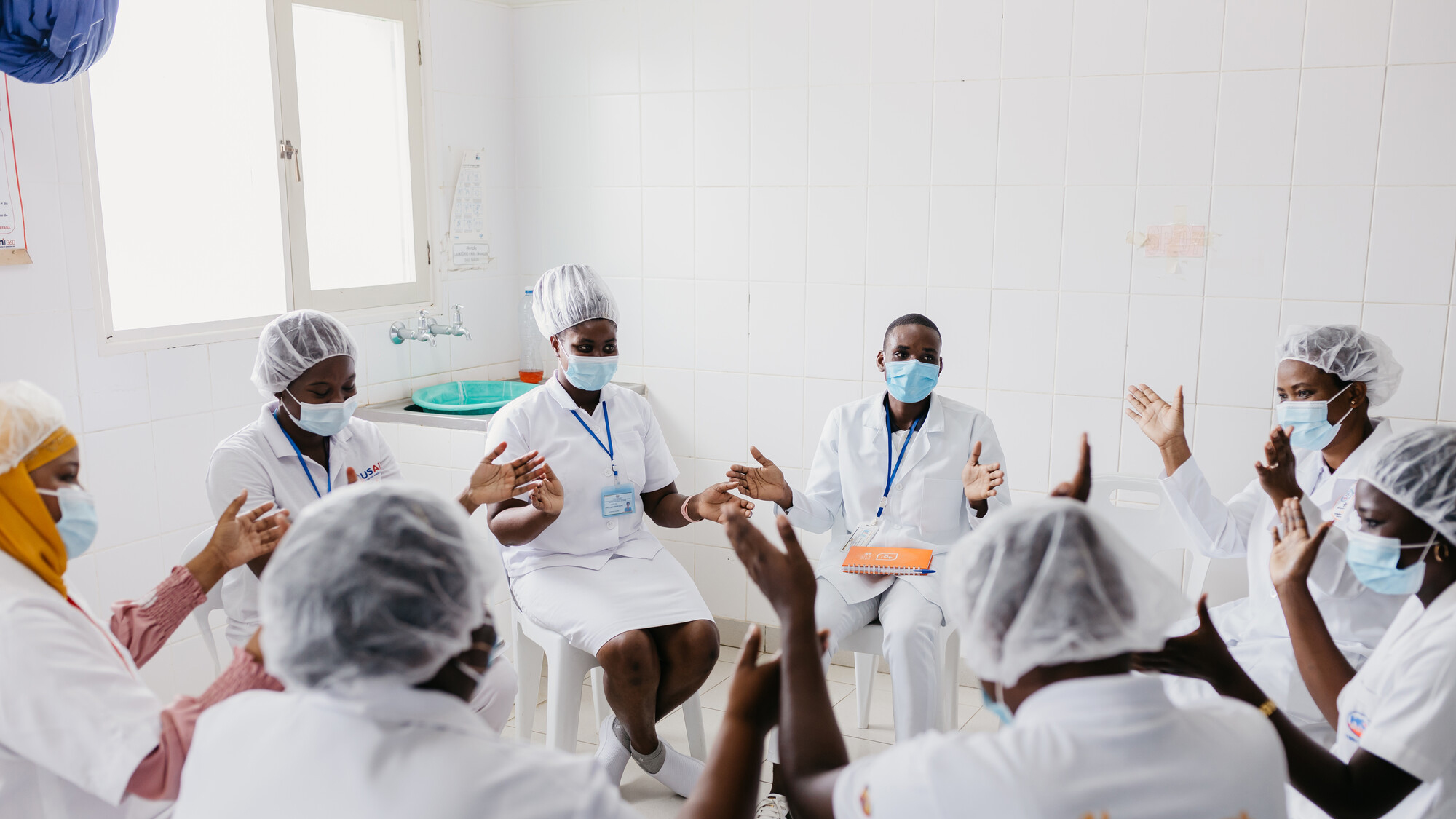
It is not just the students who are benefitting from soft–skills training. We also train the Avanza program’s teachers, staff and administrators. We have a special focus on teaching social emotional learning to those in our nursing programs, because having social and emotional skills improves the nurses’ patient care.
Meeting employer demand ensures economic growth
Soft skills are important even before a student begins working at a job. Employers in the Dominican Republic told us at a recent job fair that they are eager to find candidates who can identify their strengths and areas of growth during job interviews. This reinforces the importance of technical training programs equipping students with social and emotional competencies. The students will be able to obtain the job in the first place, and then perform well once they are working in it.
The growing economy demands that job seekers have a mix of skills, from technical expertise to soft skills. Indeed, in The Future of Jobs Report 2020, from the World Economic Forum, five of the identified top eight skills for the future involve social and emotional competence. By helping young people in the Dominican Republic develop a range of skills, we are setting them up for long-term career success and helping to build a strong local economy.
FHI 360’s Avanza team thanks our local partners in the Dominican Republic: Instituto Tecnológico de Las Américas, Instituto Técnico Superior Comunitario, Universidad Autónoma de Santo Domingo, and Iniciativa Empresarial para la Educación Técnica.