


As FHI 360 marks its 50th anniversary, explore our history of solutions and future of possibilities.
In 1999, AIDS was the fourth biggest cause of death worldwide. And, it was the number one killer in Africa.
For the 26 million African adults and children living with HIV, access to good care and lifesaving drugs was severely limited, largely because of their high cost and weak supply and distribution channels. Health systems were overburdened, and frontline health providers — many of them also hit hard by the epidemic — lacked specialized training to care properly for patients with HIV. Moreover, new game-changing antiretroviral therapy (ART) regimens were difficult to administer: They required taking multiple pills at precise times to ensure the treatment’s effectiveness, avoid side effects and prevent the development of drug-resistant strains of the virus.
As the world struggled to respond to the epidemic, funding ART in Africa was a hotly debated topic. Many health experts questioned whether large-scale distribution of ART, especially in remote areas with poor infrastructure, was possible.
Taking a $1 million risk
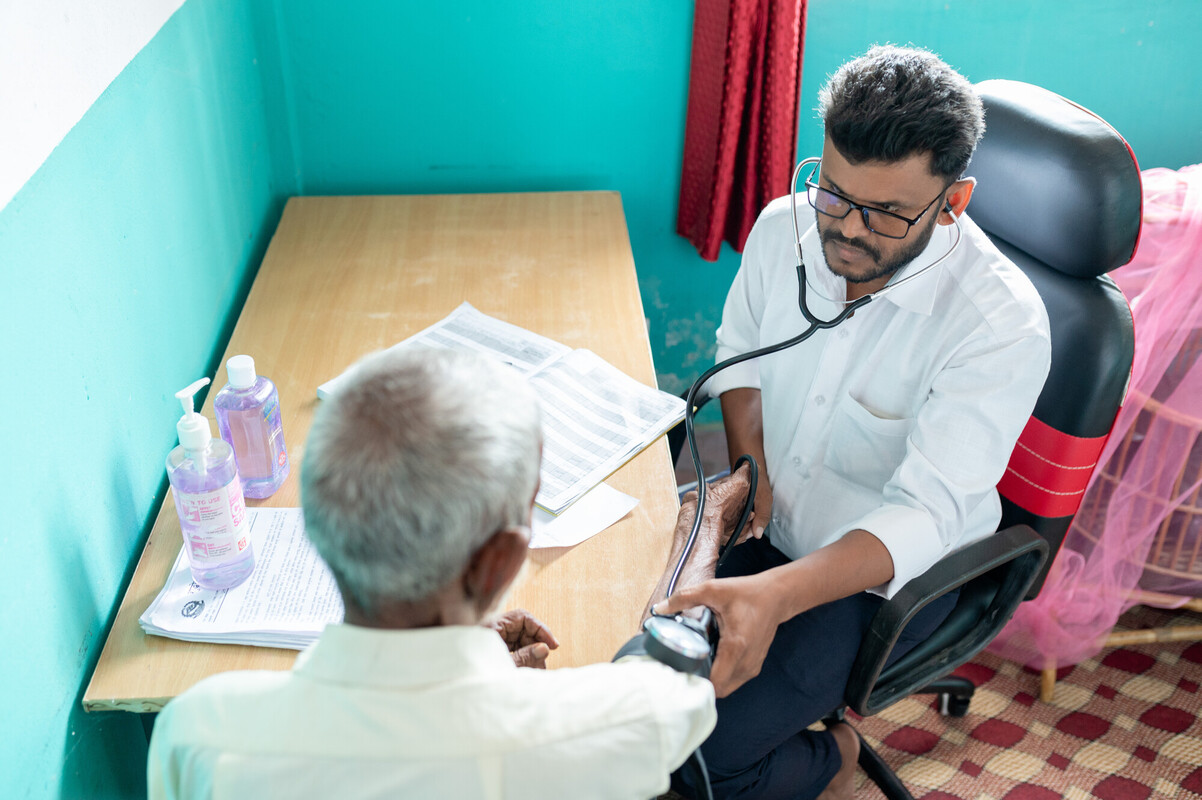
FHI 360 was determined to lean into this global health crisis and, in 2000, decided to invest US$1 million to demonstrate the feasibility of administering HIV drugs safely and effectively in low-resource settings. Many experts thought this was a risky move, but the organization already had experience in HIV and AIDS: In 1986, it implemented some of the earliest pilot HIV prevention programs on the continent and, over the course of the ensuing decade, facilitated critical care and prevention interventions. In addition, FHI 360 had a network of country offices and relationships with community health facilities.
“At FHI 360, where others see obstacles, we see a way to get things done,” said Patrick Fine, Chief Executive Officer. “We believe in the power of collaboration and community-based action.”
Leading with science
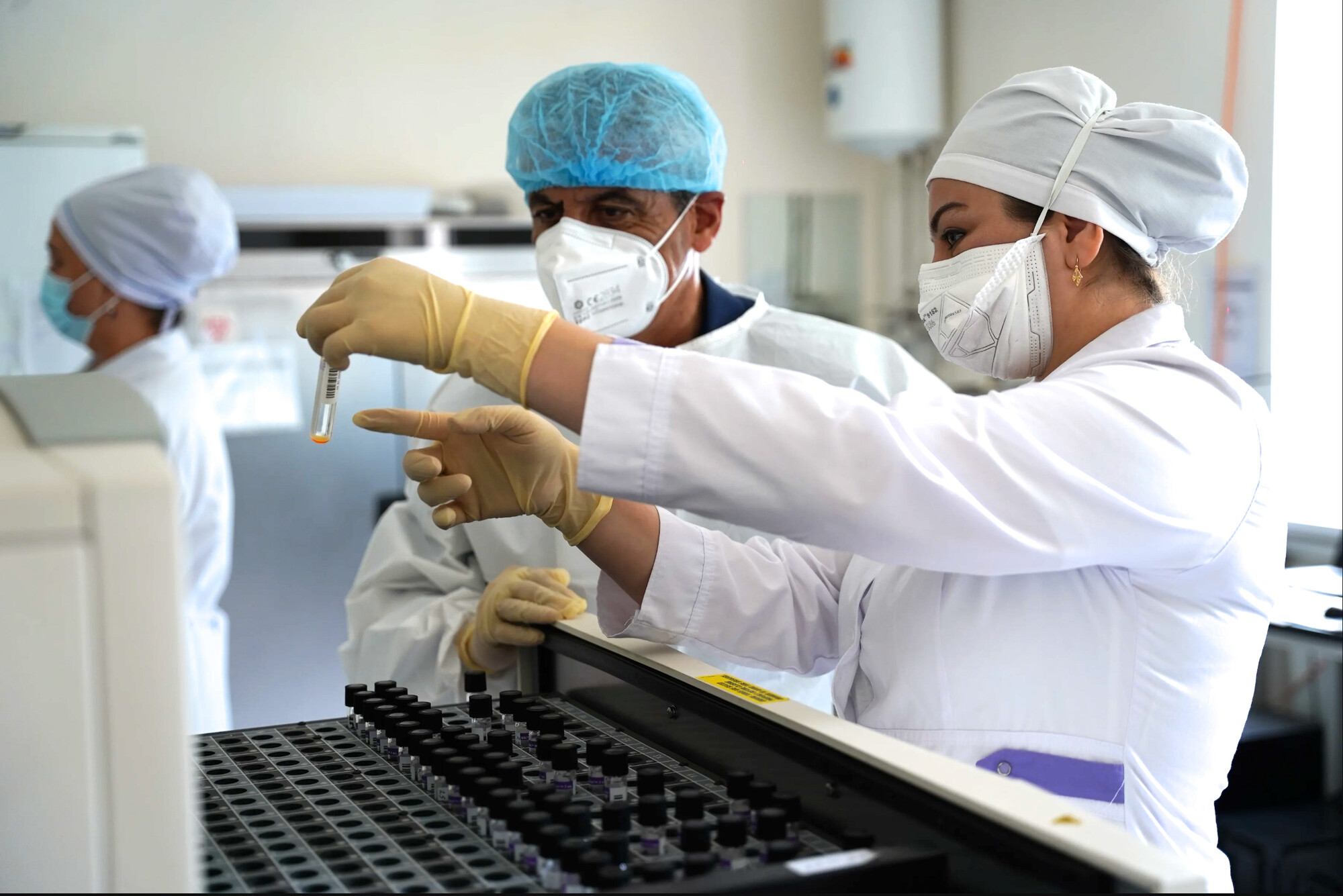
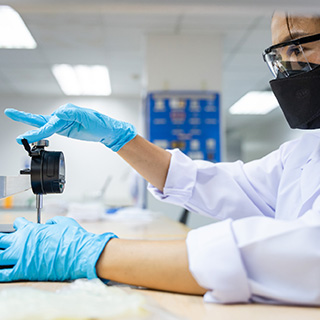
FHI 360 started in 1971 by conducting research to expand family planning options available to women and couples in low- and middle-income countries. The organization has conducted clinical trials and research studies of most of the contraceptives that are available today, including oral contraceptives, IUDs, injectables, implants, barrier methods and permanent male and female methods. FHI 360’s work contributed to the introduction of more than 10 contraceptive products in over 30 countries.
“We have always conducted our studies with an eye to pioneering approaches,” said Dr. Laneta Dorflinger, Distinguished Scientist and Director, Product Development and Introduction, at FHI 360. “For the health and well-being of families, it is vitally important to provide women and couples with a wide variety of options that meet their needs and preferences and that are safe, effective, acceptable and affordable,” she said.
During her decades-long tenure with FHI 360, Dorflinger has worked on initiatives designed to support the development, regulatory approval and introduction of new contraceptive products to provide more choice, including methods that prevent both pregnancy and sexually transmitted infections such as HIV. Today, FHI 360’s research and product development emphasize longer-acting injectables, biodegradable implants and microneedle patches.
“FHI 360 was, and still is, on the cutting-edge of contraception technology development. We begin with the end in mind: meeting the needs of women and couples. Our goal is to expand the number of low-cost, high-quality, effective and safe products that users both want and can readily access.”
Acting with heart
Because of FHI 360’s expertise in contraception and reproductive health, including the prevention of sexually transmitted infections, expanding to HIV prevention and AIDS treatment came naturally. Sheila Mitchell, then a researcher and now a member of FHI 360’s board of directors, worked on the organization’s first HIV projects in Africa in the late 1980s.
At the time, “There was a lot of misunderstanding, stigma and denial associated with the sexual transmission of HIV,” she said. “We initially built trust by helping ministries of health protect their blood supply and establish testing protocols, while supporting interventions to prevent sexual transmission.”
FHI 360’s work in the 1980s and ’90s led to the rapid expansion of HIV prevention and the start of treatment and care services in more than 70 countries — and the organization leveraged its scientific expertise and research on HIV and sexually transmitted diseases to maximize its $1 million commitment to bring ART to Africa.
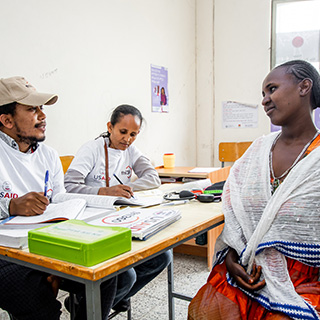
Mary Lyn Field was on the FHI 360 (then FHI) START project team that traveled in the early 2000s to the Manya and Yilo Krobo areas of Ghana, the country’s hardest-hit communities where HIV rates had soared to 18 percent of the population.
“The community saw that all around them people were dying, but we could not just push out drugs when something as basic as HIV testing was not in place,” she said. “We needed community groups and local clinicians to lead the effort.”
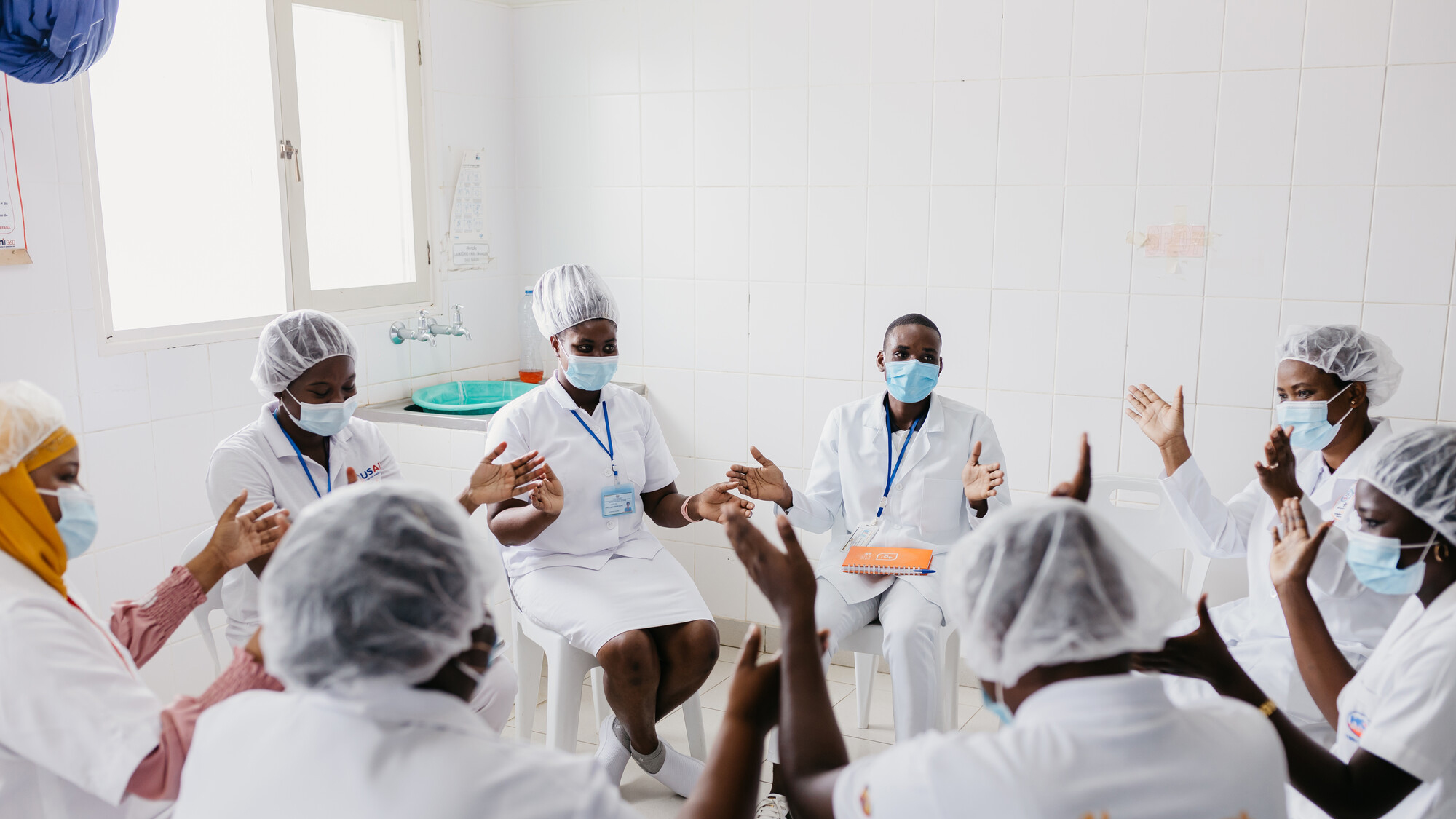
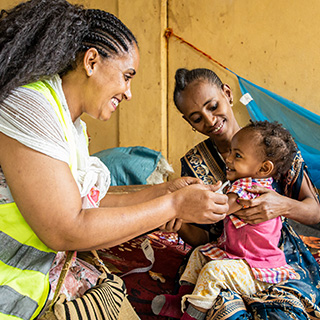
In addition to integrating ART into treatment options, that effort entailed local leaders helping the FHI team assess the most urgent needs and establish priorities, among them: safe testing, training for health workers, education, prevention services and psychosocial support.
By the end of the project, nearly 6,000 people in Ghana, Kenya and Rwanda had initiated ART. FHI 360’s success — and the scientific research that accompanied it — convinced the U.S. Agency for International Development and other institutions to fund HIV and AIDS treatment worldwide, ultimately saving the lives of millions of people.
“From our beginnings in 1971, FHI 360 has always been an organization that is willing to take risks and go beyond the ordinary and obvious,” said Fine. “We believe anything is possible.”