


In Guatemala, 81% of students complete primary school, but only 65% enroll in lower secondary school — the equivalent of grades seven through nine in the United States.1
This is consistent with the global trend of high dropout rates among students transitioning from primary to lower secondary school. As students progress through the education system, physical, economic and social barriers to attendance and achievement intensify, and the trade-off between employment and continued education becomes more significant.
The benefits of secondary education extend beyond the individual. At the secondary level of schooling, students develop the critical thinking and collaboration skills to participate in modern economies and democratic institutions. Secondary education also contributes to improved health, lower infant mortality and greater equality.
The Guatemalan education system faces challenges at the secondary level, because its already-limited resources have been prioritized for the primary level. As a result, secondary schools have a shortage of trained teachers who receive little to no monitoring or support in carrying out the national curriculum.
FHI 360 sought to improve the quality and relevance of lower secondary education in Guatemala through the Secondary Education Quality Improvement Program. Funded by the Millennium Challenge Corporation, this was the first large-scale project in the country to focus on lower secondary education. From the project, FHI 360 gained insight into what strategies can successfully improve students’ transition from primary to lower secondary school. Here is what we learned.
Create space for collaboration between levels of the education system
The project established school networks (that is, a cluster of primary and lower secondary schools within a geographic area that share resources and work together) to promote continuity between levels of the education system and support students in transitioning from primary to lower secondary school. The networks created space for staff and school representatives — district coordinators, school directors, teachers, parent organizations and student governments — to build relationships and collaborate in new ways.
Through the networks, lower secondary school teachers launched initiatives such as mathematics workshops for primary school teachers and remedial classes for sixth grade students to ensure they had the skills to succeed in the next level of education.
Enhance parental participation in secondary education
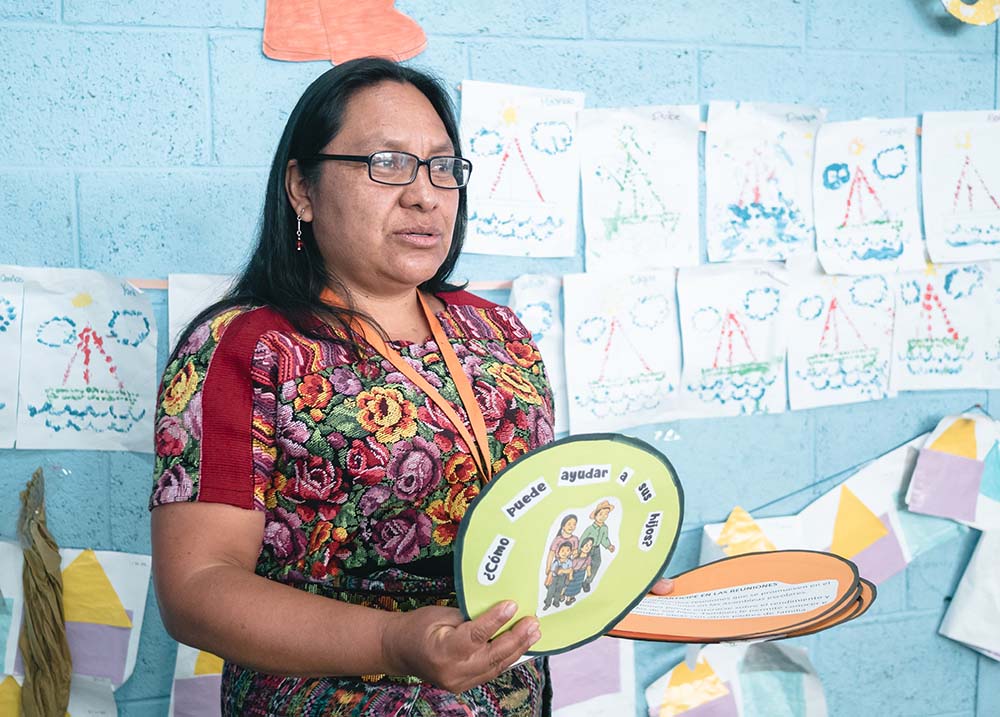
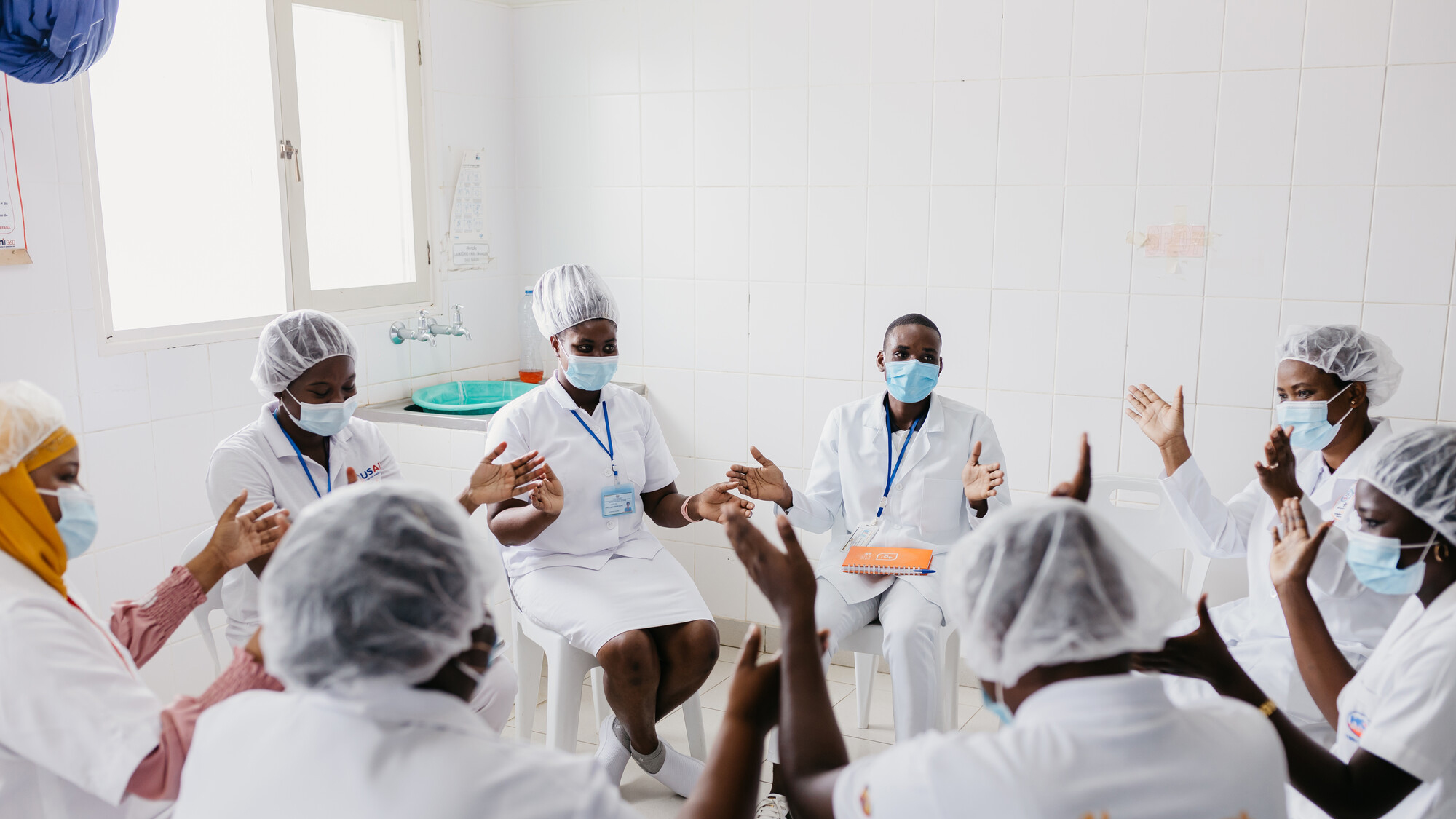
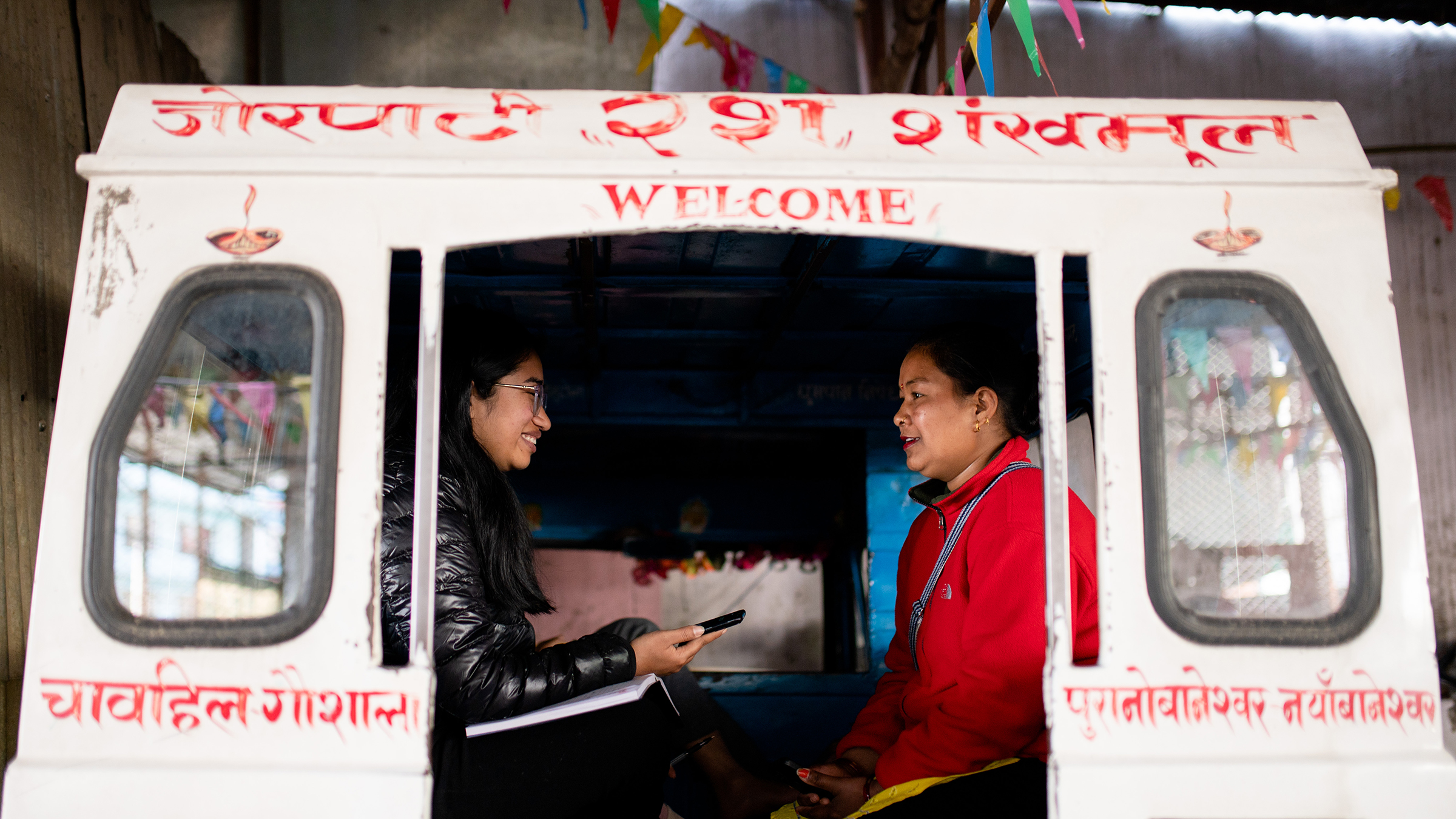
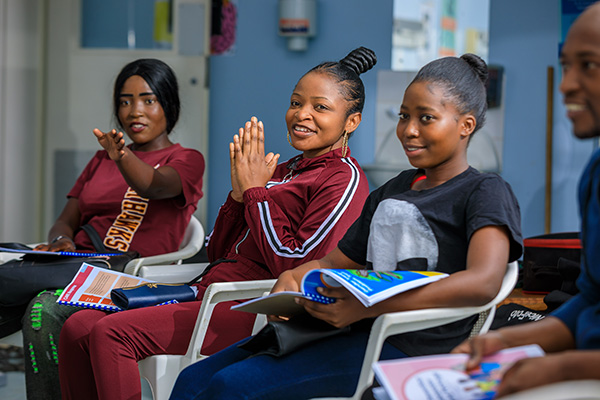
A school management advisor from Sololá delivers a workshop on how parents can help their children succeed in lower secondary school. Photo credit: ChapinFilms for FHI 360
As part of the project, school management advisors worked with parent organizations at the primary and secondary levels. Parent organizations are legally mandated by the Guatemalan government and designed to support schools but have been largely inactive at the secondary level.
Enhancing participation in parent organizations involved changing cultural expectations around parents’ role in secondary education. School management advisors held workshops that equipped parents with the knowledge and skills to take an active role in their children’s education. In some municipalities, parents began to supervise students who stay after school and organized local communications campaigns to promote secondary school enrollment. The workshops also helped parents understand the importance of quality education and secondary schooling for girls.
After participating in the workshops, the president of a parent organization in Alta Verapaz, a department (or state) in north central Guatemala, shared, “When we meet, I tell parents they have to motivate their sons — and daughters — to continue studying. This year the number of students increased so much that we had to open new classrooms.”
“When we meet, I tell parents they have to motivate their sons — and daughters — to continue studying. This year the number of students increased so much that we had to open new classrooms.”
Reduce administrative barriers to lower secondary enrollment
The project piloted an automatic enrollment process facilitated by school networks. Automatic enrollment assigned students in their last year of primary school to a secondary school based on proximity and available spots. While parents still decided where to enroll their children, they no longer had to secure the spot themselves, eliminating an administrative barrier to continued education.
The networks were involved in every step of the process, from determining which schools met the criterion for participation to coordinating open houses at the secondary schools where students had been assigned. Although not solely attributable to automatic enrollment, transition from primary to lower secondary school increased in targeted municipalities during the first two years of the pilot.
Where an option exists, automatic enrollment provides a clearer pathway to lower secondary school. However, there are not enough available spots in secondary schools within 5 or even 10 kilometers (3 or 6 miles) of primary schools. Expanding automatic enrollment throughout Guatemala would require pairing it with another intervention to address the limited number of spots in secondary schools, especially in the country’s western highlands.
What we learned
FHI 360’s work through the Secondary Education Quality Improvement Program provides evidence for strategies that ease students’ transition from primary to lower secondary school. Despite the systemic barriers that exist in Guatemala, the project offers promising approaches that can be built on and contextualized to improve transition to lower secondary school globally.
1 UNESCO Institute for Statistics [dataset]. [cited 2022 Oct 9]. Available from http://data.uis.unesco.org/
This blog was written with the invaluable contributions of some of FHI 360’s experts in global education: Kristin Brady, Kirsten Galisson, Amarilys Franco de Ortega, Yolande Miller-Grandvaux and Bismarck Pineda.