











Antibiotics are the first line of defense in protecting humans and animals against bacteria and other microbes. Microbes, like humans, want to survive. They can do that by mutating to adapt to their changing environment, unfavorable conditions and any threats they encounter — threats such as antibiotics.
Antimicrobial resistance occurs when an antibiotic no longer works against a microbe because the microbe has mutated, and its genes help it to combat or resist the antibiotic. When microbes do this, they become even more dangerous to humans and animals, who rely on antibiotics to cure infections.
Scientists have warned about the consequences of antimicrobial resistance for decades. Now, worsening climate change is making antimicrobial resistance more persistent and widespread.
Climate change alters weather, population and food growth patterns. This can cause rising temperatures and flooding, shifting demographics and overplanting of crops. These events create breeding grounds for microbes, increasing the demand for antibiotics. The more antibiotics are used, the more microbes will try to mutate to survive.
Microbes are dangerous to humans and animals. According to a February 2023 report from the U.N. Environment Programme, by 2050 as many as 10 million people could die annually due to drug-resistant infections. Infections that were previously curable with a few days of antibiotic use could become incurable. And, according to the U.N. report, antimicrobial resistance also threatens animal and plant health, food security and economic development.
The connection between antimicrobial resistance and climate change is a far-reaching problem with deadly consequences. But it’s not too late to act. Here are six actions to lessen the effects of climate change on antimicrobial resistance:
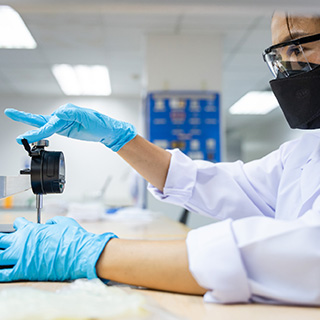
- Speed up the discovery of new antimicrobial therapeutics. Widespread antimicrobial resistance means that existing antibiotics won’t work as well — if at all. But pharmaceutical companies are hindered by drug development costs, timelines and low success rates. In fact, since 2017, only 12 new antibiotics have been approved by the World Health Organization. What’s more, 10 of those new antibiotics belong to existing classes that have established mechanisms of antimicrobial resistance, meaning they might become ineffective over time. We are encouraged by scientists who are testing alternative strategies to traditional antibiotics. Some are using molecular technology to find ways to tackle antimicrobial-resistance mechanisms in microbes. Others are studying different methods such as small molecules, antimicrobial peptides and Phage viruses, which may be able to be targeted to the microbe. More funding is needed to help develop these alternative therapies.
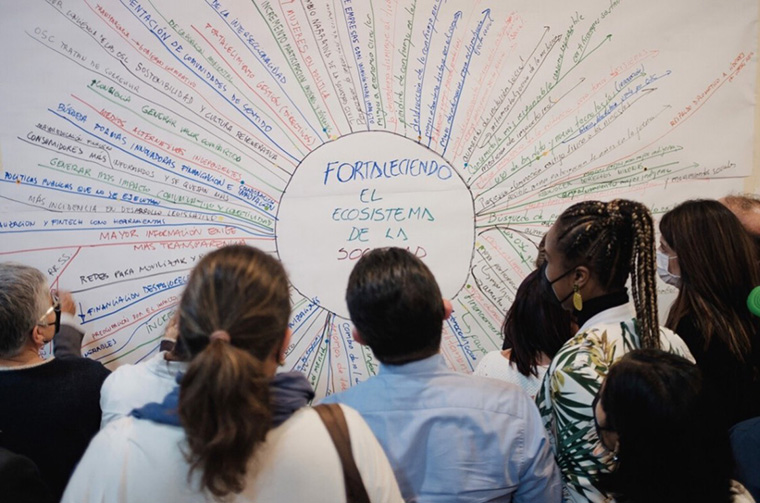
- Ensure the implementation of a strong and functional One Health approach, which can help prevent antimicrobial resistance by using national-level surveillance to monitor and learn about it. Recommended by the U.N. Environment Programme, One Health recognizes that the health of people, animals, plants and the environment are closely linked and interdependent. This type of approach is especially important in low- and middle-income countries that are disproportionately affected by climate change. In FHI 360’s work for the Fleming Fund in Viet Nam, we have helped establish a national One Health framework that brings together multisectoral groups to collect and share surveillance data as well as record and disseminate related data analyses through national platforms.
- Limit crowding and spread of disease through water, sanitation and hygiene systems. Taking these measures requires assessing a community’s climate resilience throughout water, sanitation and hygiene (WASH) systems. There is high demand for increasing global efforts to improve integrated water management and promote sanitation and hygiene to limit infections and the need for antimicrobials. Incorporating these measures into WASH will in turn help control the development and spread of antimicrobial resistance in the natural world.
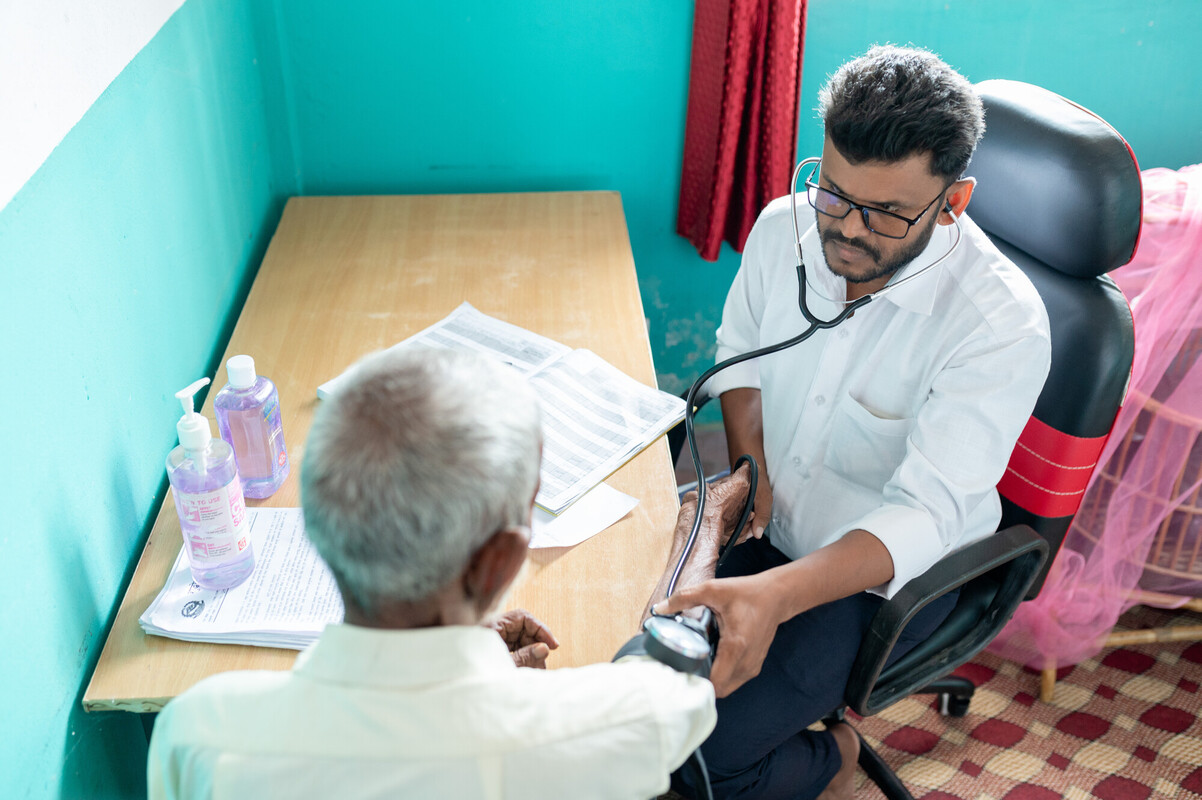
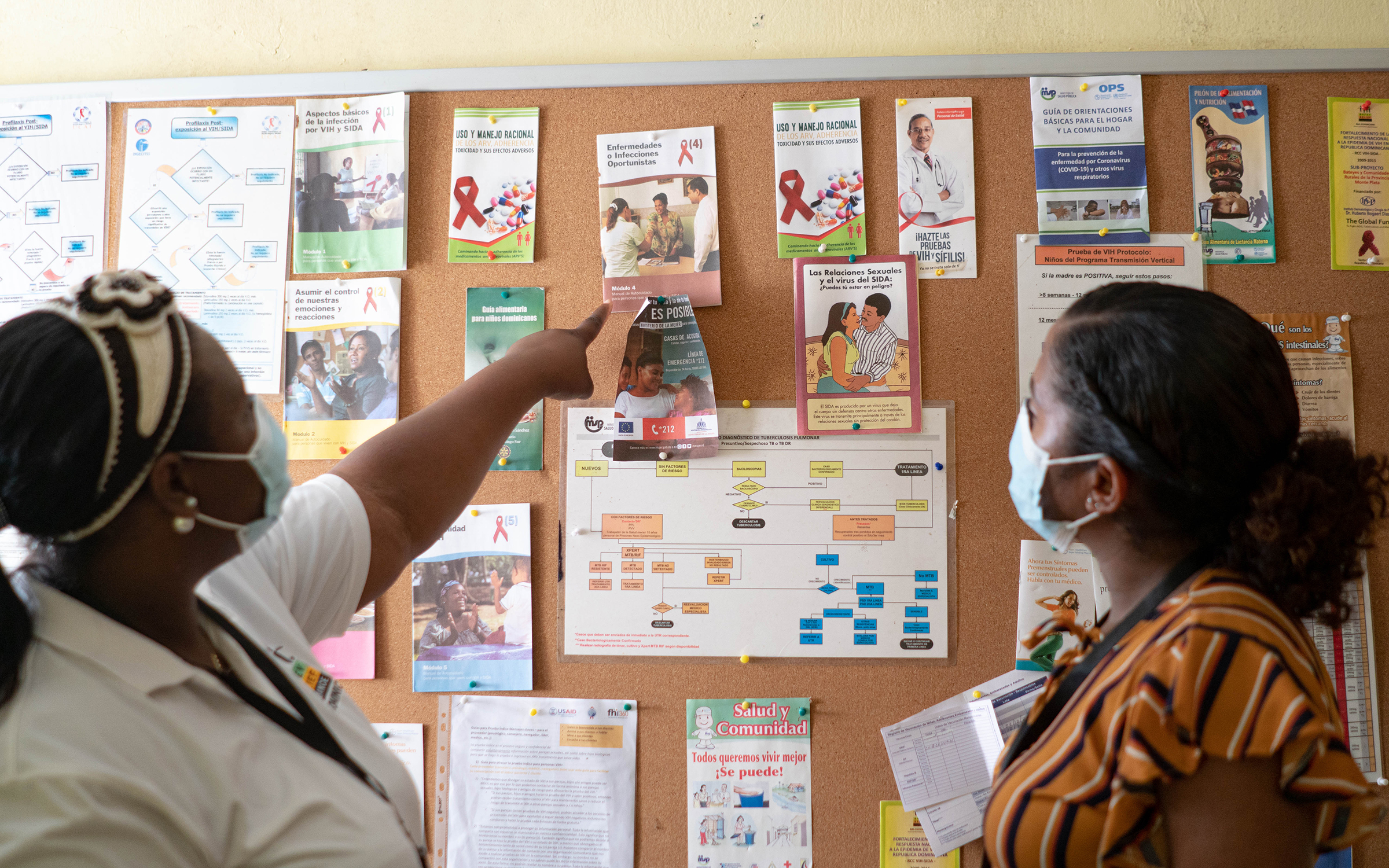
- Increase health care professionals’ knowledge about antimicrobial resistance and its links to climate change. We must clarify how the continued development of antimicrobial resistance will affect our health care standards. Health care professionals, especially in low- and middle-income countries, should be encouraged to deter patients from purchasing antimicrobials over the counter without a prescription. We should encourage health care professionals to take and send specimens for laboratory testing to confirm if antibiotics are needed before they are prescribed.
- Consider using cultural control techniques to manage bacterial infections among crops. A warming climate means that it’s not getting cold enough to kill pests and microbes. As a result, growers use more antimicrobials and pesticides, which creates an environment where microbes may become more resistant. The purpose of cultural control techniques is to change growing conditions and disrupt pests’ and microbes’ life cycles. Examples of cultural control techniques include putting physical barriers over crops, regularly rotating crops, planting crops that are bred to be resistant to pests and using certified pest-free plants and seeds.
- Continue conducting evidence-based research — and extend research to more sectors — to better understand the effects of the climate crisis on antimicrobial resistance. Current evidence around the connections between climate change, the spread of infections and antimicrobial resistance is largely generated by academia and can be limited. We need more multidisciplinary research and surveillance to create a more robust and actionable evidence base.
The connection between climate change and antimicrobial resistance poses a great danger to humans, animals and our natural world. The six actions above can be taken by individuals, governments, corporations, nonprofit organizations, academic institutions and the private sector. These actors must address these issues now to avoid the possible emergence of further global threats.