










 Previous project

Dr. Joyce Kakesa, project director, Meeting Targets and Maintaining Epidemic Control (EpiC), in the Democratic Republic of the Congo
The recent outbreak of mpox clade II — a less deadly, more widespread strain of the virus — affected the Democratic Republic of the Congo more than any other African country.
As a vaccine for this emerging threat was not yet available in impacted areas, swift diagnosis and treatment were vital to contain it. Delays in diagnosis and treatment leave time for diseases to spread.
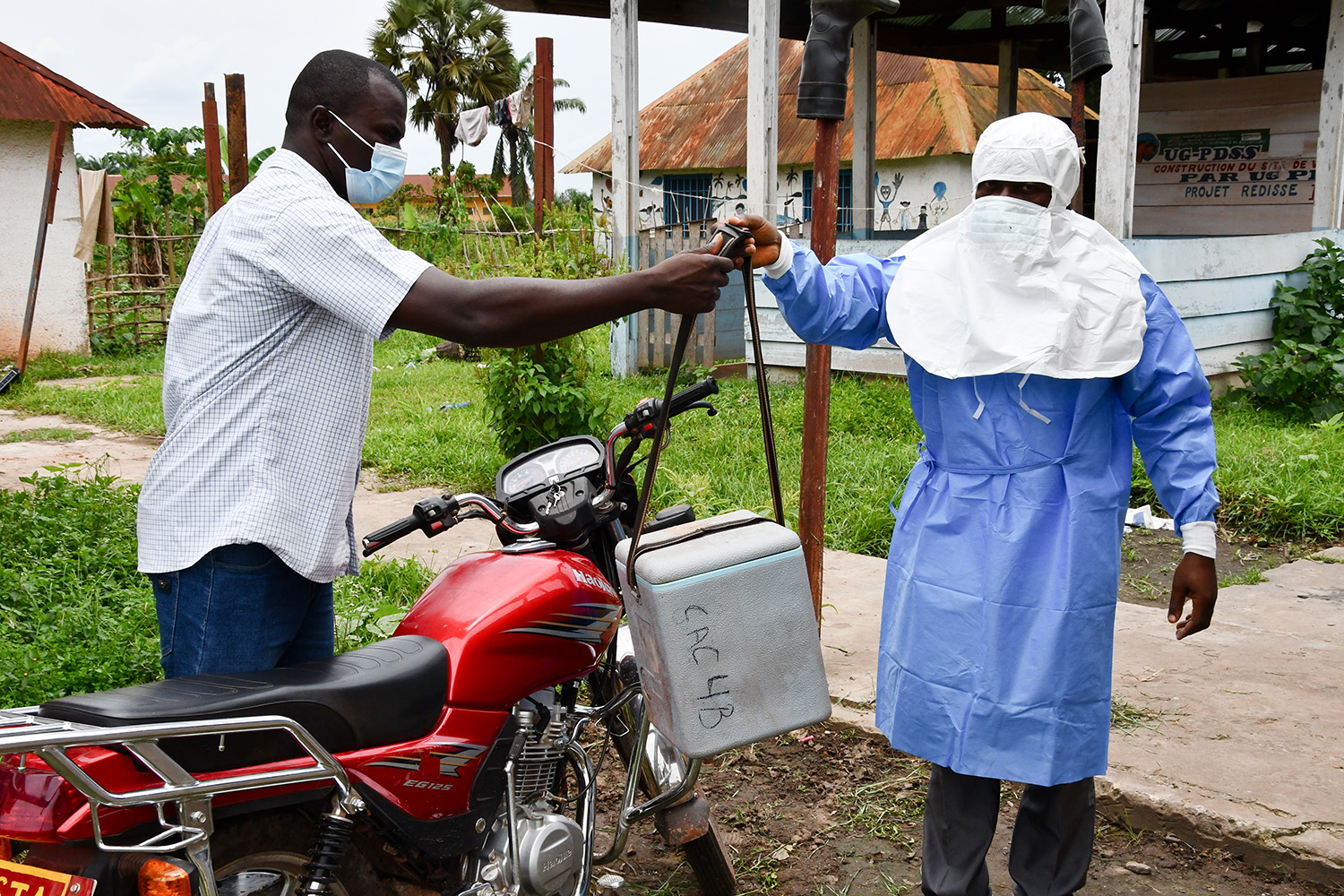
Many of those affected were in rural or hard-to-reach areas, and the initial turnaround time for transporting and testing samples was upwards of 20 days.
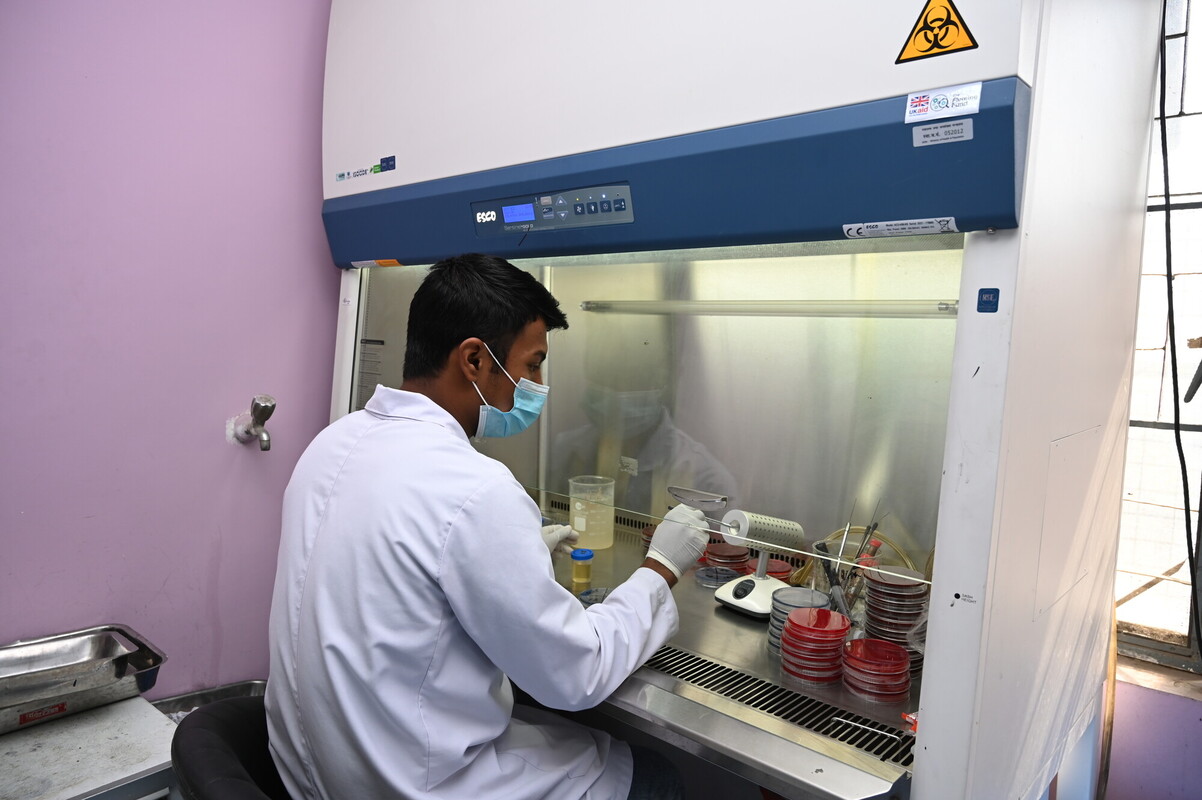
From the early days of the mpox outbreak, FHI 360 staff began working in partnership with the Congolese Ministry of Health to reduce transport times for samples and expedite the communication of test results to referring labs and health facilities.
The team cut the turnaround time on transporting and testing samples from 20 days to less than a week in some locations — resulting in faster diagnosis and treatment and slowing the spread of the disease.
FHI 360’s practical experience working with health systems and communities to accelerate responses to infectious diseases like mpox clade II helps us act effectively — and ultimately save more lives.