









 Previous project
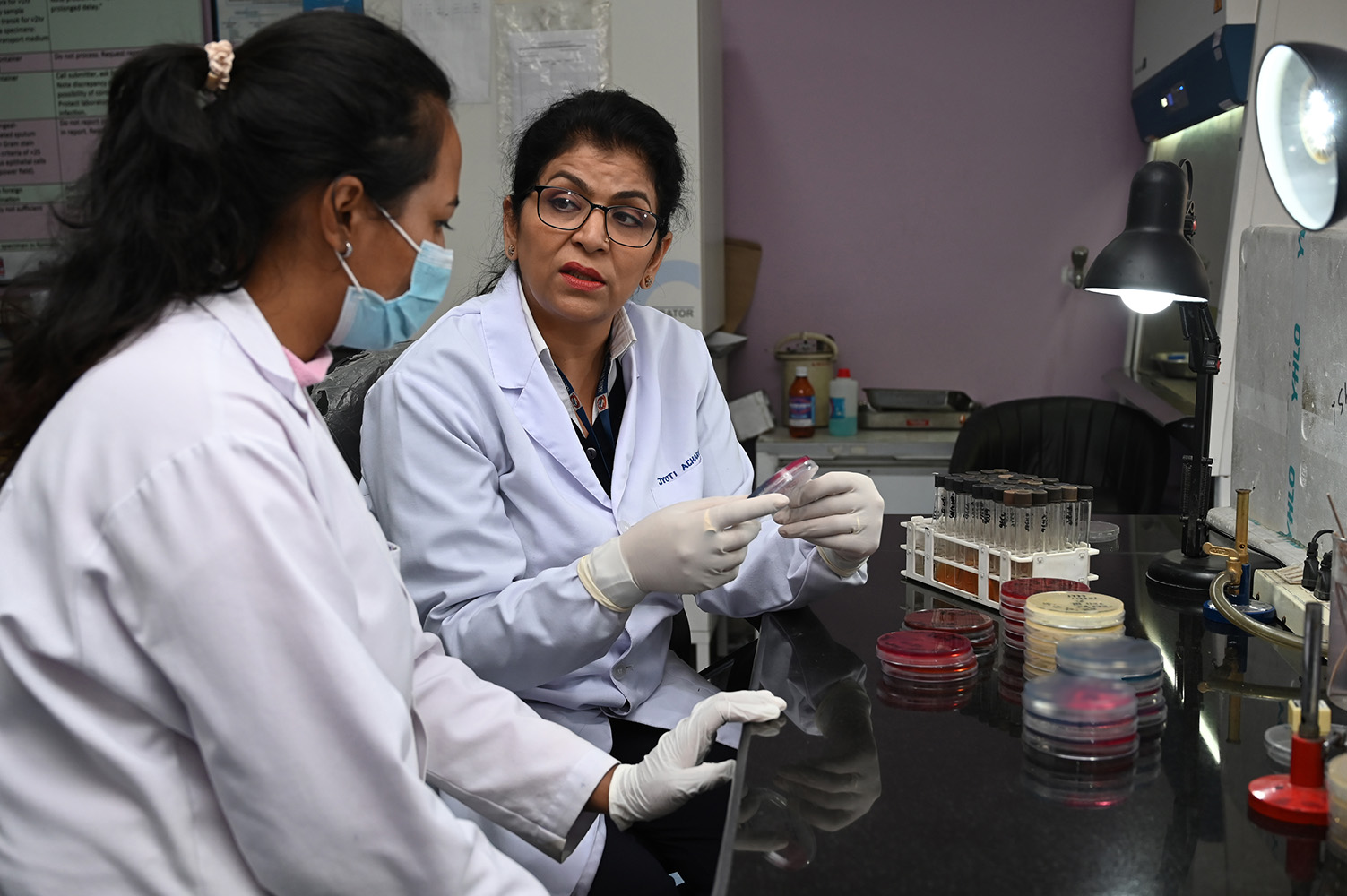

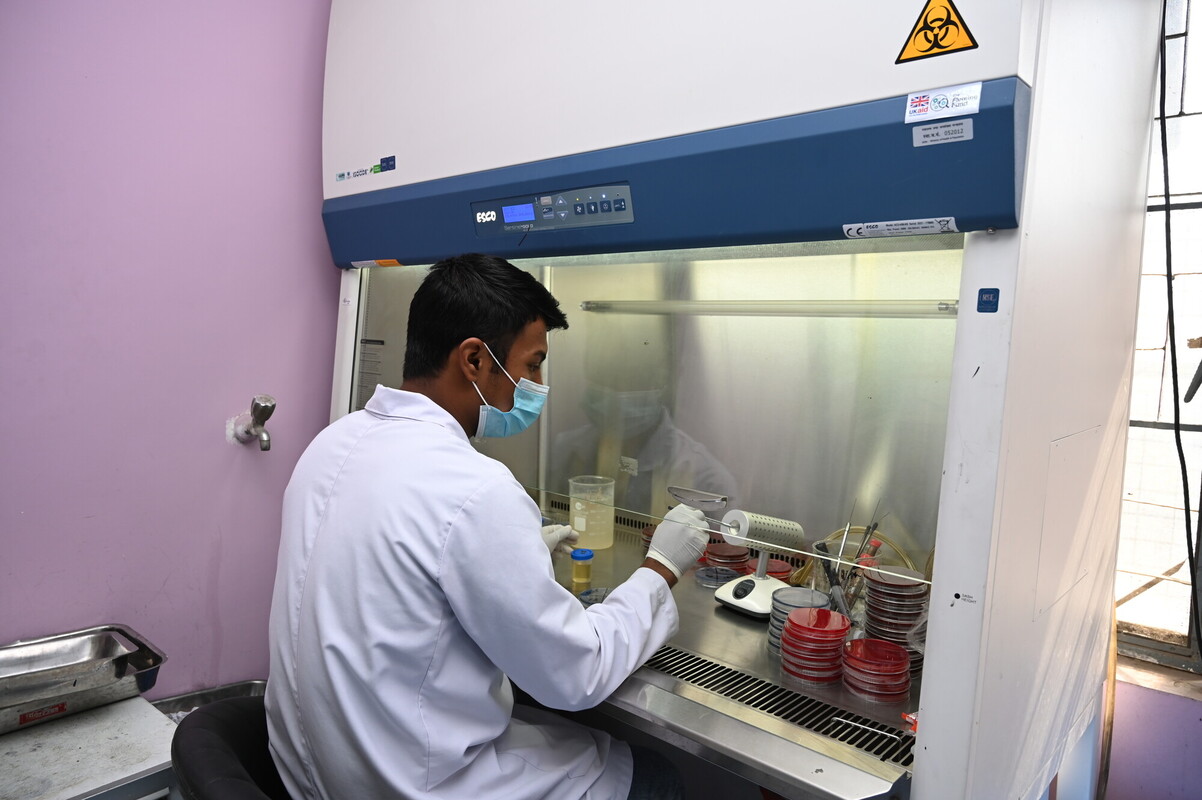
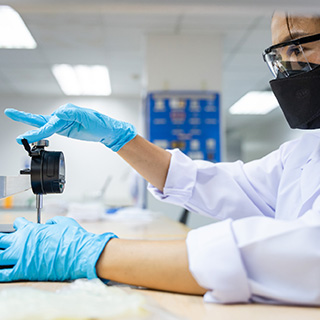
Dr. Jyoti Acharya, chief medical laboratory technologist at Nepal’s Bir Hospital
Data powers effective public health programs. To prevent the spread of drug resistance and ensure patients get the right treatment, health workers need up-to-date sample testing data.
In Nepal, hospitals relied on labor-intensive software that digitized paper records and left data management to staff. Delays were common, and data sometimes went unreported.
Now, with support from the Fleming Fund Country Grant for Nepal — led by FHI 360 — robotic process automation “bot” technology is strengthening the country’s national surveillance network for drug resistance. The user-friendly bot automates repetitive tasks, reducing manual data entry so staff can quickly report results and identify insights.
The bot has been introduced in 23 hospitals. The accurate monthly reporting it has enabled is informing national guidelines, drug policies and more.
Before the bot, it took us days to prepare data for reporting. This automation has empowered the team to multitask effectively, allowing them to focus on vital microbiology work while ensuring accurate data.