
Skip to content
FHI 360
  • Languages
  • Low bandwidth
  • High bandwidth
  • Search
  • Who we are
        • Who we are
          • About us
          • Leadership
          • Ethics and safeguarding
          • Impact and financial reports
          • Contact us
        • About us

          Impact and financial reports

  • What we do
        • What we do
          • Economic opportunity
          • Health


        • How we do it
          • Research in action
          • Humanitarian response
          • Digital innovation and AI
        • Explore our expertise
        • Economic opportunity

          Health

  • Where we work
        • Where we work
          • Asia Pacific
          • Central Africa
          • East Africa
          • West Africa
          • Southern Africa
          • Middle East and North Africa
          • Europe and Central Asia
          • Latin America and the Caribbean
          • United States
        • Around the world

          In the United States

  • Work with us
        • Work with us
          • Join our team
          • Local partners
          • Government and multilateral funders
          • Foundations and corporations
          • Academic and research partners
          • Small businesses and vendors
        • Join our team

          Local partners

          Government and multilateral funders

          Foundations and corporations

          Academic and research partners

          Small businesses and vendors

  • News & events
        • News
          • Newsroom
          • Events
        • Get the latest news
        • Newsroom

          Events

  • Stories & blogs
        • Stories & blogs
          • Stories
          • Videos (YouTube)
          • Blog
        • Explore our storytelling
        • Our storytelling

          Blog

  • Resources
        • Resources
          • Resource library
        • Resource library

Home | News | Cultivating climate disaster–resilient and equitable health care systems
April 22, 2024

Cultivating climate disaster–resilient and equitable health care systems

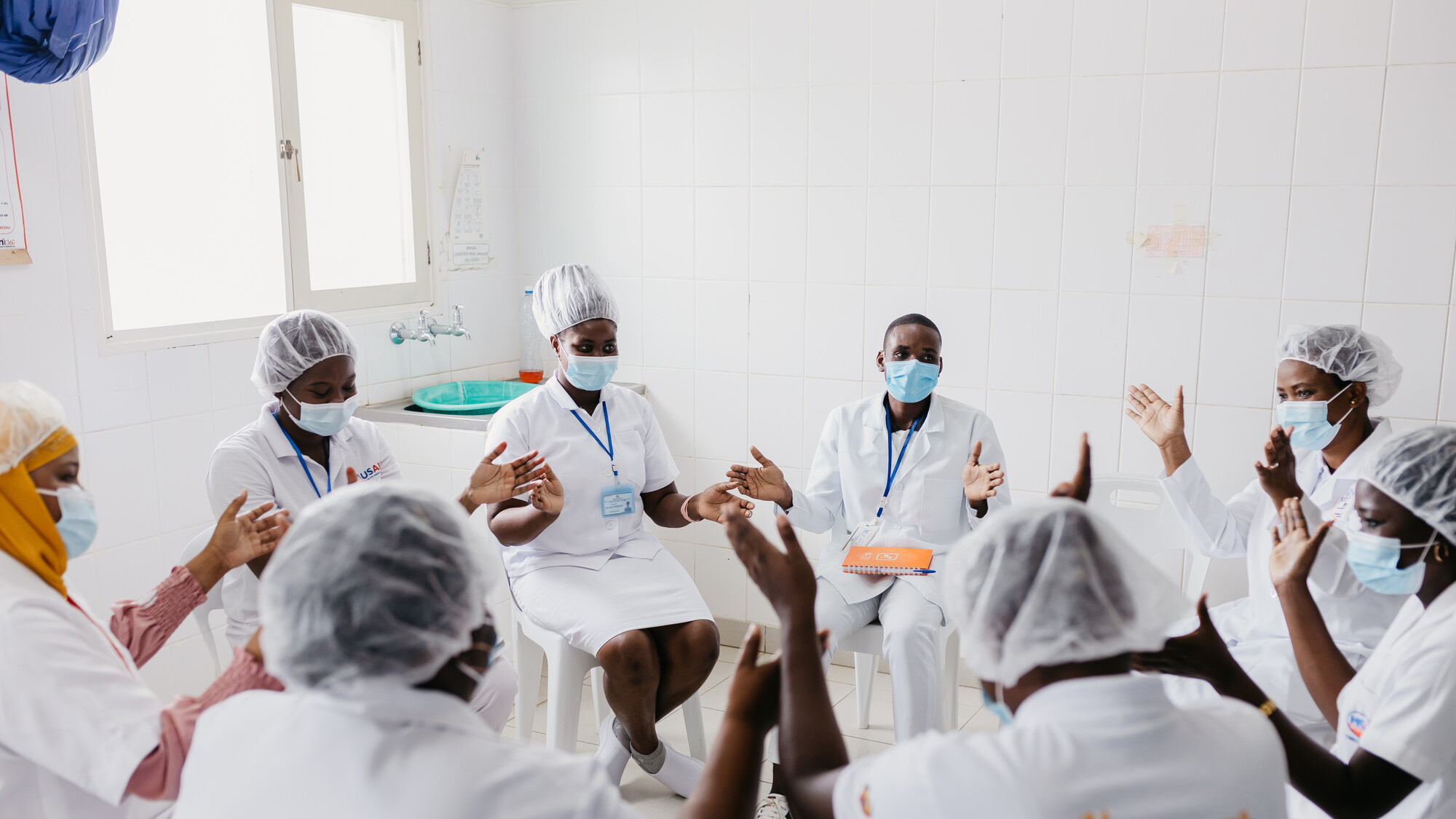
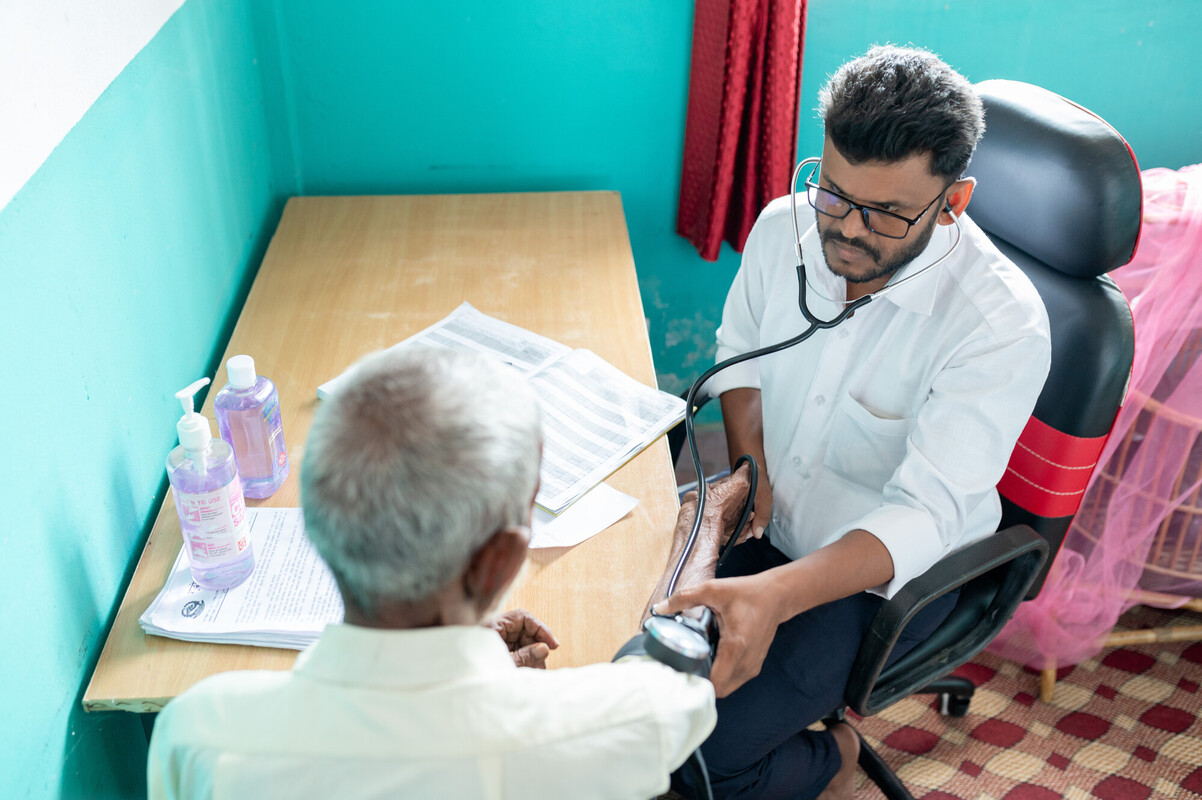
When it comes to climate-smart health, there’s no time to wait and debate. Some 3.6 billion people — around half the world’s population — live in places that are highly vulnerable to climate change. Too many of those most at risk from climate disasters — such as extreme temperatures, drought, flooding and sea level rise — and their negative impacts on health live in low- and middle-income countries. 

“Climate challenges, from extreme weather events to the increased spread of vector-borne diseases, highlight the urgent need for robust and resilient health care systems,” says Nujpanit (Jom) Narkpitaks, environment and climate change director at FHI 360. 

Addressing these health inequities requires comprehensive action that meaningfully engages local communities, Indigenous peoples, women, and other marginalized groups for inclusive preparation before and response during and after a climate disaster. 

“Whilst we look longer term to developing a greener and healthier world, we have to look also to shorter-term adaptation in communities around the world to prevent unnecessary suffering and deaths from a changing climate,” says Bob Fryatt, international health lead at Mott MacDonald. 

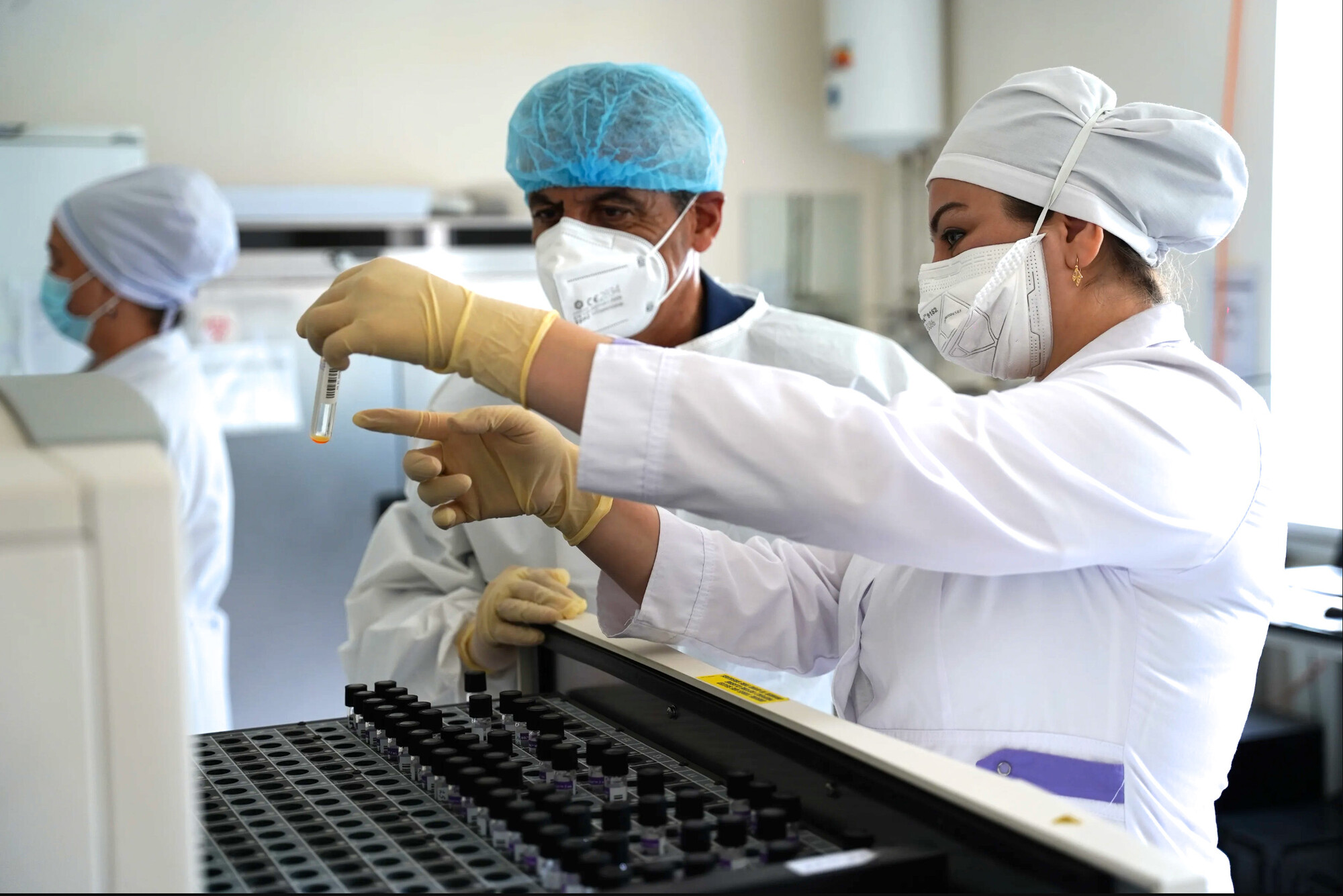
To adapt to the level of warming we are already seeing, we must build the resilience of health care systems and combat health inequities. Together with the London School of Hygiene and Tropical Medicine, Mott MacDonald, the UK Health Security Agency and Wolfe Global, our team at FHI 360 has developed a policy brief that outlines key steps that communities, policymakers, health professionals, and researchers and academics must take to address pressing health inequities around climate change-driven disasters. 

“Our goal is to cultivate climate disaster–resilient and equitable health care systems that benefit everyone,” says Narkpitaks. 

Share news
Back to top

On this page

FHI 360

We are a nonprofit organization that mobilizes research, resources and relationships so that people everywhere can access the opportunities they need to lead full, healthy lives.

  • Partner with us
  • Business opportunities
  • Contract mechanisms
  • Small business
  • Our FHI 360 network
  • Events
  • Employee access
  • Contact us
  • Press
  • Privacy notice
  • Ethics and safeguarding

FHI 360 Headquarters
359 Blackwell Street, Suite 200
Durham, NC 27701 USA
1.919.544.7040

Washington, D.C., Office
2101 L Street NW, Suite 700
Washington, DC 20037 USA
1.202.884.8000

Anti-trafficking statement

Connect

Sign up for our mailing list and receive the latest updates from FHI 360 straight to your inbox!

  • LinkedIn
  • Facebook
  • X
  • Youtube
  • Instagram

FHI 360 is the registered trade name of Family Health International.

  • Terms of use
  • Cookie notice
©2026 FHI 360
GDPR Cookie Banner

We are using cookies to give you the best experience on our website.

You can find out more about which cookies we are using or switch them off in .