




Skip to content
FHI 360
  • Languages
  • Low bandwidth
  • High bandwidth
  • Search
  • Who we are
        • Who we are
          • About us
          • Leadership
          • Ethics and safeguarding
          • Impact and financial reports
          • Contact us
        • About us

          Impact and financial reports

  • What we do
        • What we do
          • Economic opportunity
          • Health


        • How we do it
          • Research in action
          • Humanitarian response
          • Digital innovation and AI
        • Explore our expertise
        • Economic opportunity

          Health

  • Where we work
        • Where we work
          • Asia Pacific
          • Central Africa
          • East Africa
          • West Africa
          • Southern Africa
          • Middle East and North Africa
          • Europe and Central Asia
          • Latin America and the Caribbean
          • United States
        • Around the world

          In the United States

  • Work with us
        • Work with us
          • Join our team
          • Local partners
          • Government and multilateral funders
          • Foundations and corporations
          • Academic and research partners
          • Small businesses and vendors
          • CEO position specification
        • Join our team

          Local partners

          Government and multilateral funders

          Foundations and corporations

          Academic and research partners

          Small businesses and vendors

  • News
        • News
          • Newsroom
        • Get the latest news
        • Newsroom

  • Stories
        • Stories & blog
          • Stories
          • Videos (YouTube)
          • Blog
        • Explore our storytelling
        • Our storytelling

          Blog

  • Resources
        • Resources
          • Resource library
        • Resource library

Home | Resources | Monitoring HIV/AIDS Programs
December 21, 2012

Monitoring HIV/AIDS Programs

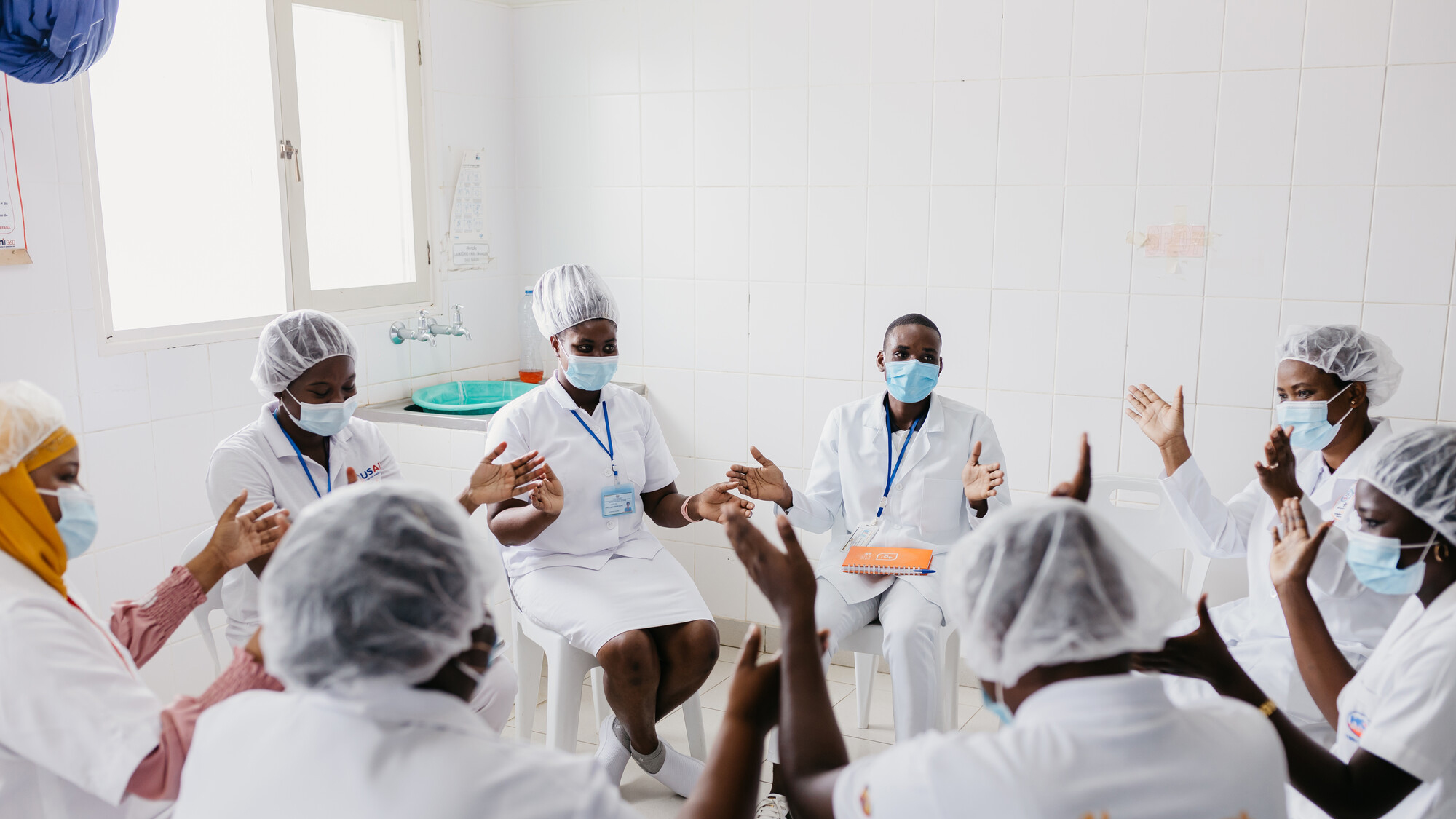
November 2004 — This training resource is designed to build skills for conducting quality monitoring and evaluation (M&E) activities. The course is anchored by three core modules: Introduction to M&E; Collecting, Analyzing and Using Monitoring Data; and Developing an M&E Work Plan. The course features seven additional modules designed for specific contexts, such as home-based care programs, voluntary counseling and testing programs, programs for orphans, and clinical care activities. Each module includes both a facilitator’s guide and a participant’s guide. The training is based on adult learning theory and is a combination of lectures, discussions, small group work, interactive practical exercises and role-plays. The course was produced by the Implementing AIDS Prevention and Care (IMPACT) project, managed by FHI 360 for the U.S. Agency for International Development.

Monitoring HIV/AIDS Programs: A Facilitator’s Training Guide

2007 – To strengthen monitoring and evaluation (M&E) activities in the Middle East and North Africa region, FHI 360 adapted and translated into Arabic sections of the FHI 360-produced Monitoring HIV/AIDS Programs: A Facilitator’s Training Guide. First published in 2004, this guide is designed to build skills for conducting quality M&E activities in HIV/AIDS programs, focusing on basic M&E concepts as they relate to HIV/AIDS programs, clinical care, and voluntary counseling and testing.

Documents / Downloads

  • Monitoring HIV/AIDS Programs: A Facilitator’s Training Guide
Share resource
Back to top

On this page

FHI 360

We are a nonprofit organization that mobilizes research, resources and relationships so that people everywhere can access the opportunities they need to lead full, healthy lives.

  • Partner with us
  • Business opportunities
  • Contract mechanisms
  • Small business
  • Our FHI 360 network
  • Events
  • Employee access
  • Contact us
  • Press
  • Privacy notice
  • Ethics and safeguarding

FHI 360 Headquarters
359 Blackwell Street, Suite 200
Durham, NC 27701 USA
1.919.544.7040

Washington, D.C., Office
2101 L St NW, Suite 700
Washington, DC 20037 USA
1.202.884.8000

Anti-trafficking statement

Connect

Sign up for our mailing list and receive the latest updates from FHI 360 straight to your inbox!

  • LinkedIn
  • Facebook
  • X
  • Youtube
  • Instagram

FHI 360 is the registered trade name of Family Health International.

©2026 FHI 360

We are using cookies to give you the best experience on our website.

You can find out more about which cookies we are using or switch them off in .

FHI 360
Powered by  GDPR Cookie Compliance
Privacy overview

This website uses cookies so that we can provide you with the best user experience possible. Cookie information is stored in your browser and performs functions such as recognising you when you return to our website and helping our team to understand which sections of the website you find most interesting and useful.

Essential cookies

Essential cookies should be enabled at all times so that we can save your preferences for cookie settings. However, they can be enabled or disabled using the button below.

Non-essential cookies

This website uses Google Analytics to collect anonymous information such as the number of visitors to the site, and the most popular pages.

Keeping this cookie enabled helps us to improve our website.